The High-Stakes Hunt: Finding Service History in the Digital Era
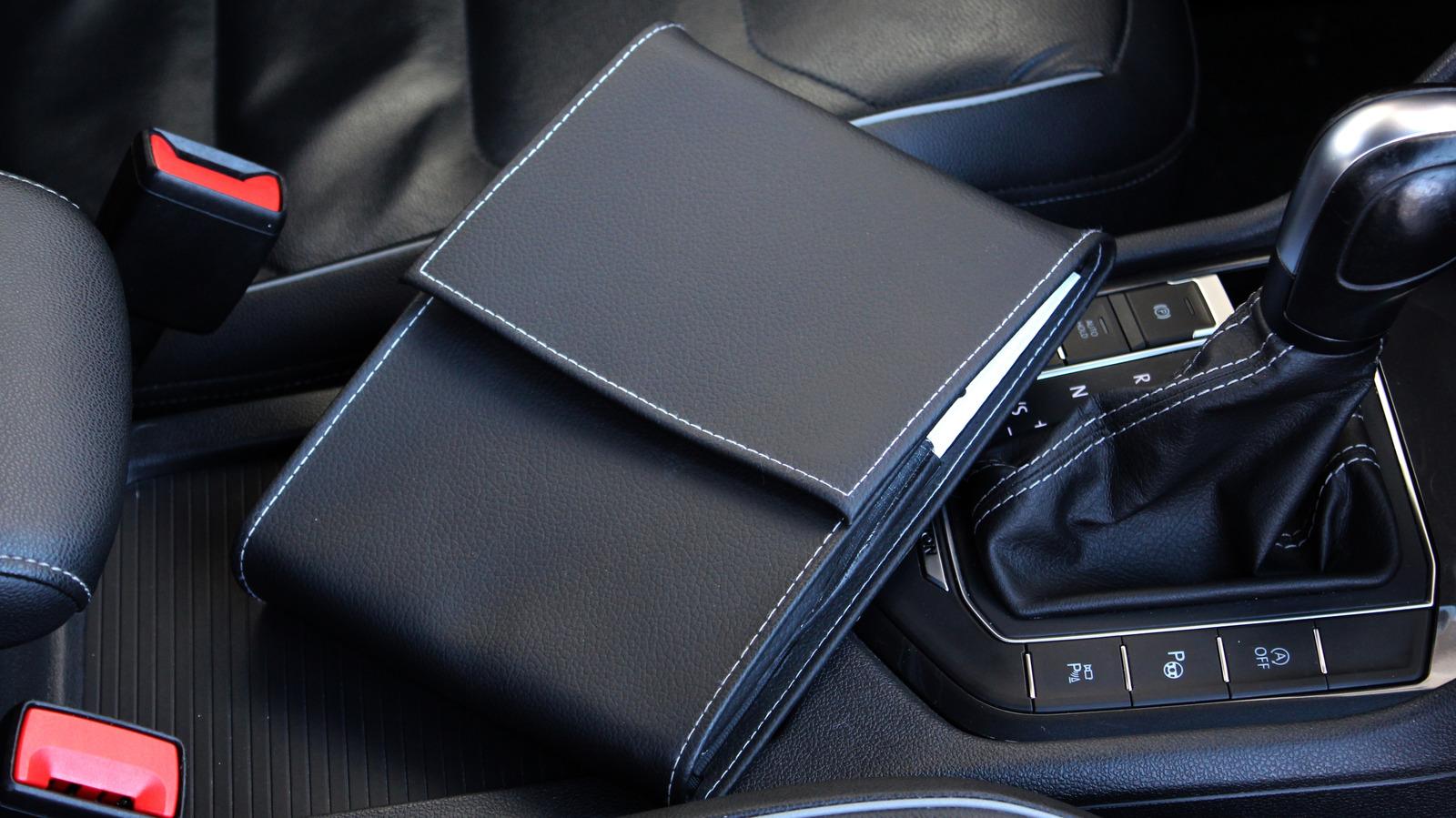
How To Find A Car’s Service Records When The Seller Doesn’t Have Them (2026 Guide)
Image: How To Find A Car’s Service Records When The Seller Doesn’t Have Them (2026 Guide) – Performance and Specifications
- Advertisement -
Buying a used car in 2026 is a blend of high-tech verification and old-school detective work. If you have found the perfect vehicle but the seller claims to have ‘lost’ the records, do not walk away just yet. While a complete history report can cost anywhere from $25 to $99, the investment is a pittance compared to the cost of a blown transmission or a neglected timing belt. In an age where digital footprints are permanent, locating a car’s maintenance history is easier than ever if you know where to look. This guide explores how to bypass the seller and get the truth directly from the source.
The Performance of Digital Tools: 2026 VIN Intelligence
The first step in your investigation involves leveraging the ‘Performance’ of modern database engines. By 2026, most manufacturers have transitioned to fully digitized ecosystems. The VIN (Vehicle Identification Number) is no longer just a serial number; it is a key to a cloud-based vault of every oil change, brake pad replacement, and recall fix.
- Advertisement -
1. Manufacturer Cloud Portals (DSR Systems)
Most vehicles built after 2018 utilize Digital Service Records (DSR). Brands like Volkswagen, BMW, and Toyota no longer stamp physical books. Instead, they upload data to a centralized server. As a buyer, you can download the brand’s official app (e.g., MyVW or MyToyota), enter the VIN, and occasionally see the service intervals performed at authorized centers. If the seller won’t show you their app, a quick visit to a local dealer service desk with the VIN can often yield a printed summary.
2. Third-Party Data Aggregators: The Big Three
In 2026, the ‘Big Three’—Carfax, AutoCheck, and the emerging Blockchain-based ‘ChainHistory’—provide the most comprehensive reports. These services aggregate data from insurance companies, police departments, and independent repair shops. If a car was serviced at a franchise like Jiffy Lube or Firestone, it will likely appear here even if it never saw a dealership.
3. The ‘Last Service’ Sticker Trick
Look at the top left corner of the windshield or the driver-side door jamb. Service centers almost always place a ‘next service due’ sticker there. This sticker usually identifies the name of the shop and the mileage of the last oil change. A simple phone call to that specific shop can often unlock the vehicle’s entire history with them.
- Advertisement -
Interior Tech: Accessing Logs via the Infotainment System
Modern 2026 vehicle ‘Design’ often integrates service logs directly into the interior technology suite. High-end infotainment systems now store ‘Condition Based Service’ (CBS) data. By navigating through the ‘Vehicle Info’ or ‘System Settings’ menus, you can often see the remaining life of various components and a log of when the last ‘Reset’ was performed. If the system shows a recent reset but no corresponding physical receipt, it’s a red flag that the seller might be performing DIY maintenance without proper logging.
4. Contacting Local Dealerships
If the car has lived in one city its entire life, there is a high probability it was serviced at the local brand-name dealership. Service advisors are often willing to confirm if a VIN has a ‘clean’ history in their system, even if they cannot give you the full printed records for privacy reasons. They can at least confirm if the major milestones—like the 60,000-mile major service—were completed.
5. Checking Insurance and Title Brands
A lack of service records is one thing; a ‘branded’ title is another. Use the National Motor Vehicle Title Information System (NMVTIS) to ensure the vehicle hasn’t been written off. Safety is paramount, and a car that has skipped its structural integrity checks after an accident is a liability, regardless of its NCAP rating.
- Advertisement -
Safety and Reliability: Why NCAP Ratings Aren’t Enough
While a 2026 Volkswagen or Fortuner may boast a 5-star NCAP safety rating, that rating assumes the vehicle is maintained to factory standards. A car with skipped brake fluid flushes or worn suspension bushings will not perform as intended in an emergency. Verifying service records is, effectively, verifying that the safety systems you are paying for will actually work when needed.
| Service Provider | Data Depth | Estimated Cost (2026) | Best For |
|---|---|---|---|
| Carfax | High (National) | $44.99 | General History & Ownership |
| AutoCheck | Medium (Auction Data) | $24.99 | Checking for Accidents |
| ChainHistory (Blockchain) | High (Verified) | $19.99 | Modern EV & Smart Cars |
| Manufacturer App | Specific (Dealer Only) | Free/Low Cost | Warranty & Recall Tracking |
Technical Specifications of Verification Methods
When choosing how to hunt for records, consider the following technical breakdown of the most common methods used by professionals in 2026.
| Method | Success Rate | Required Info | Time to Result |
|---|---|---|---|
| VIN Decoding | 95% | 17-Digit VIN | Instant |
| Dealer Outreach | 60% | VIN + Local ID | 1-2 Business Days |
| Telematics Extraction | 40% | OBD-II Scanner | 15 Minutes |
| Receipt Reconstruction | 30% | Seller History | 3-5 Days |
People Also Ask (FAQ)
- Can I find service records for free? While some apps offer basic info, detailed records usually require a paid report from Carfax or similar services.
- Does a lack of records mean the car is bad? Not necessarily, but it increases risk. It suggests either DIY maintenance or neglect.
- Can a dealership refuse to give me records? Yes, due to privacy laws, they often redact the previous owner’s name but will show the work performed.
- What is a Digital Service Record (DSR)? It is an online cloud-based log that replaces the traditional paper service booklet.
- How do I find records for an imported car? You must use international VIN decoders like EPC (Electronic Parts Catalog) systems.
- Are independent shop records online? Many small shops now report to CARFAX or use management software that syncs with national databases.
- Is there a way to see if a car was a rental? Yes, VIN reports specifically flag ‘Fleet’ or ‘Rental’ usage.
- Can I use an OBD-II scanner to see service history? You can see fault codes and ‘mileage since last clear,’ but not a list of oil changes.
- What if the seller is the second owner? Ask for the contact info of the shop the *previous* owner used; many people keep the old business cards.
- Does the 2026 VW Tayron have digital records? Yes, all 2026 VW models use the central VW Group DSR system.
Verdict: Should You Buy a Car Without Records?
Pros: Potential for a lower price; opportunity to start a fresh maintenance baseline.
Cons: High risk of hidden mechanical issues; lower resale value; potential voided warranties.
- Advertisement -
Final Word: If you cannot find any record of the car’s history through digital tools or dealer outreach, treat the vehicle as if it has had zero maintenance. Only proceed if the price is low enough to cover a full ‘catch-up’ service (fluids, filters, belts, and tires). In 2026, a ‘ghost’ car is usually a ghost for a reason.