The End of the Road for Tax-Free Supercars in California
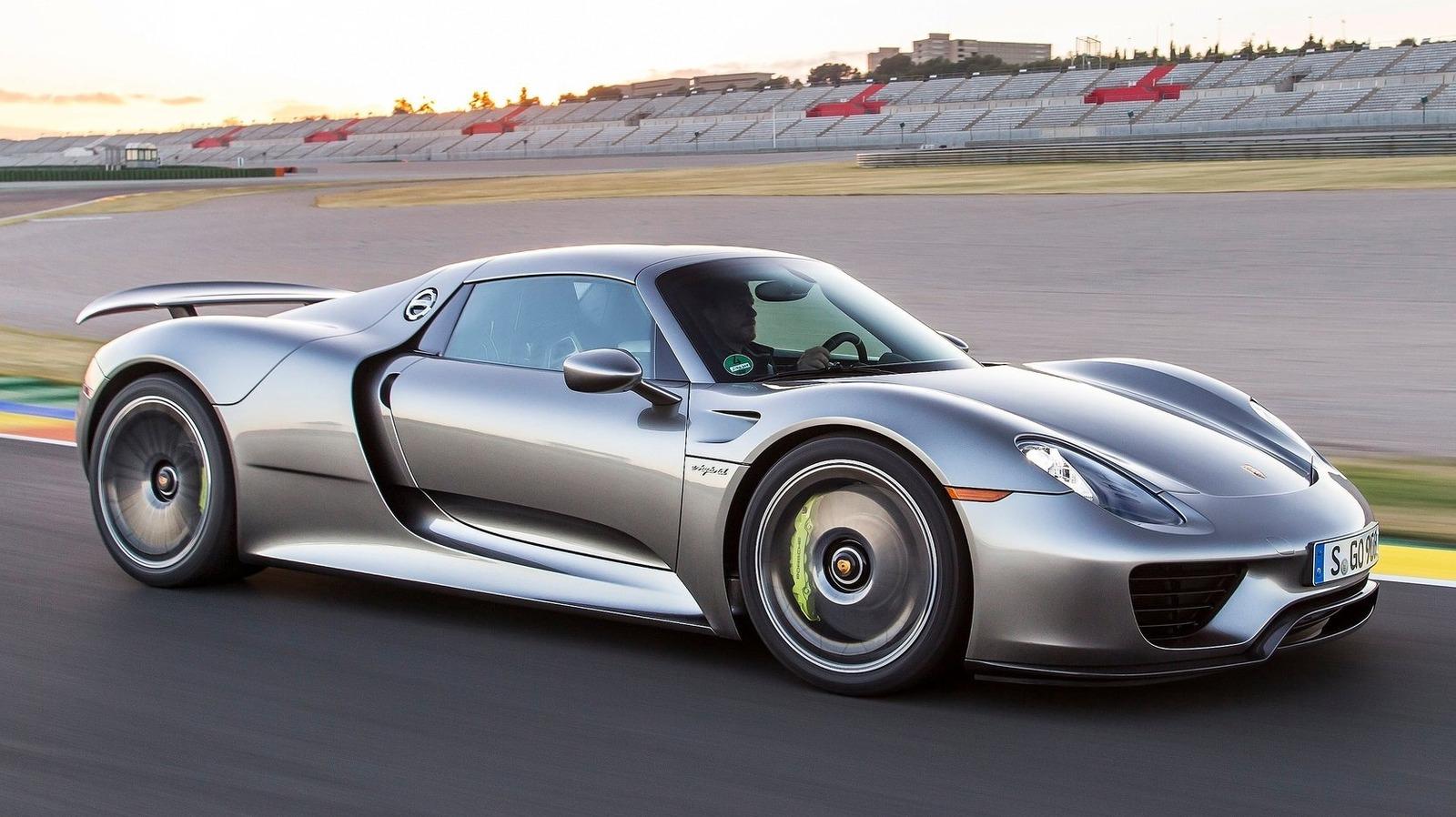
California Closes Montana Supercar Plate Loophole: 2026 Tax Crackdown and Penalties
Image: California Closes Montana Supercar Plate Loophole: 2026 Tax Crackdown and Penalties – Performance and Specifications
- Advertisement -
Imagine driving a $300,000 Lamborghini Revuelto through the hills of Malibu, turning heads with your exhaust note while quietly avoiding a $30,000 sales tax bill. For years, wealthy car enthusiasts have exploited a legal ‘grey area’ known as the Montana LLC loophole. However, in 2026, California is officially slamming the door shut. The price of non-compliance? It’s no longer just a slap on the wrist; owners are now facing back taxes plus 100% penalties and potential felony charges for tax evasion.
Why Supercar Owners Love (and California Hates) Montana Plates
The scheme is simple: Montana has no sales tax. By forming a ‘shell’ Limited Liability Company (LLC) in Montana, a resident of California or any other high-tax state can ‘sell’ the vehicle to their own company. The car is then registered in Montana, receiving those iconic blue and white plates, despite the vehicle never setting foot in the Big Sky Country. In California, where sales tax can exceed 10% in certain jurisdictions, the savings on a multi-million dollar hypercar collection are staggering.
- Advertisement -
The 2026 Crackdown: New Enforcement and AI Surveillance
For 2026, the California Highway Patrol (CHP) has received a massive budget boost specifically for the ‘CHEATER’ (California Helps Eliminate All The Evasive Registration) program. Unlike previous years where enforcement relied on neighbor tips, the state is now utilizing Automated License Plate Recognition (ALPR) technology. These cameras, positioned at major intersections and luxury zip codes, track how many consecutive days a vehicle with out-of-state plates stays within California borders.
The Legal Framework and Assembly Bill Updates
New legislation in 2026 mandates that any vehicle owned by an LLC but operated primarily by a California resident must be registered in-state within 20 days. Failure to do so is now classified as a ‘rebuttable presumption’ of tax evasion. This shift in the burden of proof means the owner must prove they don’t live in California, rather than the state proving they do.
| Feature/Metric | Montana LLC Registration | California Legal Registration | 2026 Penalty Risk |
|---|---|---|---|
| Sales Tax Rate | 0% | 7.25% – 10.25% | Double Tax + Interest |
| Registration Fees | ~$200 (Permanent) | VLF based on Value | Impoundment Fees |
| Inspection Required | No | Yes (Smog/Safety) | Mandatory Compliance |
| Privacy Level | High (Anonymous LLC) | Low (Registered to Owner) | Public Record Audit |
Impact on High-End Automotive Design and Performance Culture
While this is a legal battle, it directly impacts the performance car market. Manufacturers like Ferrari and Porsche have noted a slight dip in ‘spec’ intensity for California buyers who are now forced to pay the full tax. When a ‘Paint to Sample’ option costs $15,000, and the tax on that option alone is $1,500, buyers are becoming more conscious of the total ‘on-the-road’ price.
- Advertisement -
Safety and Insurance Complications
A major ‘Con’ often overlooked by those using the loophole is insurance validity. In 2026, major insurers like Hagerty and Grundy are tightening their underwriting. If a vehicle is registered in Montana but garaged in Beverly Hills, and an accident occurs, the insurer may deny the claim based on ‘material misrepresentation.’ This leaves the owner liable for millions in damages.
Technical Specifications of the Tax Impact
| Car Model Type | Estimated MSRP | CA Sales Tax (Approx 9.5%) | Montana Flat Fee |
|---|---|---|---|
| Entry-Level Supercar | $250,000 | $23,750 | $217 |
| Mid-Range Exotic | $500,000 | $47,500 | $217 |
| Hypercar / Limited Run | $2,500,000 | $237,500 | $217 |
Comparison: California vs. Other High-Volume States
California isn’t the only state fighting back. Comparison with other states shows a trend toward aggressive ‘residency’ audits for 2026.
| State | Enforcement Level | Reporting Reward | Primary Target |
|---|---|---|---|
| California | Critical | Yes (CHEATER Program) | Montana/Oregon Plates |
| Florida | Moderate | No | Luxury SUVs |
| New York | High | Yes | Out-of-State Commuters |
People Also Ask (FAQ)
1. Is it legal to have Montana plates if I live in California?
No. If you are a resident of California and your vehicle is primarily garaged here, it must be registered in California within 20 days.
- Advertisement -
2. How does the California CHP catch Montana plate users?
Through the CHEATER program, neighbor reports, and 2026-era ALPR camera tracking that monitors vehicle location over time.
3. What are the fines for the Montana plate loophole in 2026?
Owners face the original sales tax, a 100% fraud penalty, registration late fees, and potential criminal prosecution.
4. Can I get insurance for a Montana-registered car in California?
Technically yes, but if you don’t disclose the true garaging location, the insurance company can void your policy during a claim.
- Advertisement -
5. What is a Montana LLC for cars?
It is a shell company set up to ‘own’ a vehicle so that the owner can take advantage of Montana’s 0% sales tax.
6. Does California offer any amnesty for Montana plate owners?
Occasionally, California offers amnesty periods, but the 2026 stance is focused on aggressive enforcement rather than forgiveness.
7. Why doesn’t Montana stop people from doing this?
Montana benefits from the registration fees and the business it brings to Montana-based law firms that set up the LLCs.
- Advertisement -
8. How much do I save with a Montana plate?
On a $400,000 car, the savings can be upwards of $38,000 in sales tax alone.
9. Can I use Montana plates for my daily driver?
It is extremely risky. Daily drivers are much more likely to be spotted by local law enforcement than weekend-only supercars.
10. Is the Montana loophole closing in other states?
Yes, states like Massachusetts and Georgia have also implemented similar task forces to recover lost tax revenue.
- Advertisement -
Verdict: Is the Montana Loophole Worth the Risk in 2026?
The short answer is: **No.** While the allure of saving $50,000 or more is tempting for those who can already afford the vehicle, the 2026 enforcement landscape has changed the risk-reward ratio.
Pros:
- Significant initial savings on sales tax.
- Avoidance of complex local smog requirements (temporarily).
- Lower annual registration fees.
Cons:
- Risk of felony tax evasion charges.
- 100% financial penalties on top of back taxes.
- Difficulty in securing valid insurance.
- Constant anxiety of being flagged by ALPR cameras or reported by neighbors.
For 2026, the smart money is on paying the tax and enjoying the car with total peace of mind. The ‘subscription’ to avoid taxes is now more expensive than the tax itself when you factor in legal fees and penalties.
- Advertisement -