Introduction: The Allure of Vintage Metal in a Digital Age
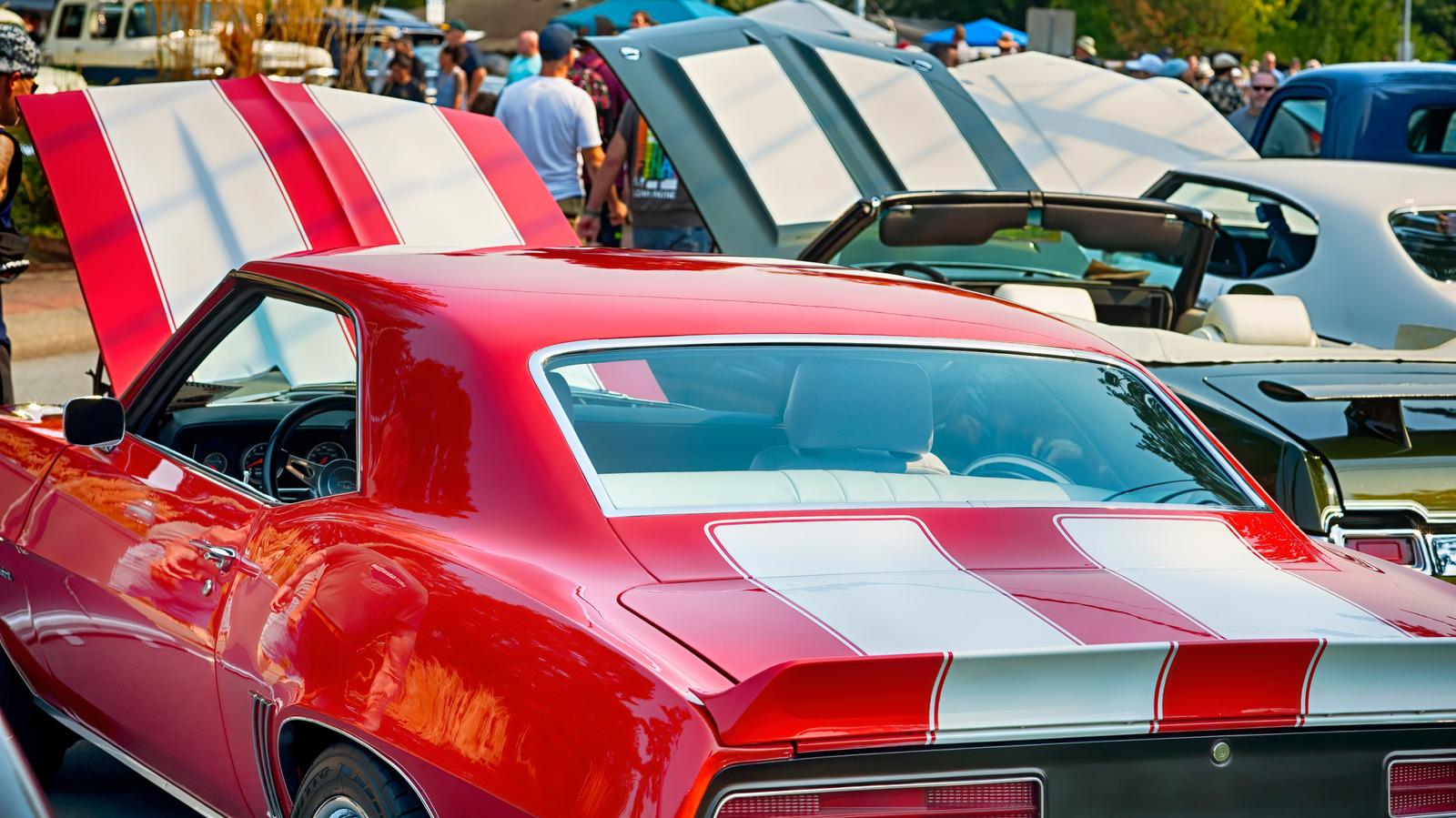
5 Crucial Things To Know Before You Buy A Classic Car in 2026: Avoid These Costly Mistakes
Image: 5 Crucial Things To Know Before You Buy A Classic Car in 2026: Avoid These Costly Mistakes – Performance and Specifications
- Advertisement -
Who wouldn’t want to own a classic car? In an era dominated by autonomous driving and silent electric motors, the raw, mechanical soul of a vintage vehicle is more enticing than ever. However, if you’re seriously thinking about buying one in 2026, there are some things you should know before pulling the trigger. The market has shifted significantly, with prices for entry-level classics now starting around $15,000 (approx. ₹12.5 Lakhs) for project cars, while showroom-ready legends can easily exceed $150,000 (₹1.25 Crore). This guide breaks down the essential realities of classic car ownership to ensure your dream doesn’t become a driveway nightmare.
1. The Mechanical Reality: Condition Over Pedigree
In 2026, the golden rule remains: buy the best condition you can afford. While a ‘barn find’ might sound romantic, the cost of labor and specialized parts has skyrocketed due to the scarcity of master mechanics who understand carburetors and point-ignition systems. Users on forums like Jalopnik and Team-BHP frequently complain that ‘budget’ classics ended up costing double their purchase price within the first year of ownership.
- Advertisement -
Performance and Drivability
Don’t expect modern performance. Even a 1960s muscle car might be outrun by a modern family hatchback. However, the ‘love’ factor comes from the tactile feedback—the heavy steering, the smell of gasoline, and the roar of a naturally aspirated engine. In 2026, many owners are opting for ‘Restomods,’ which combine classic shells with modern crates engines for better reliability.
The Maintenance Tax
Maintenance isn’t a suggestion; it’s a lifestyle. Unlike a modern car with 15,000-mile service intervals, a classic car requires constant tinkering. You are looking at fluid checks every few hundred miles and the constant threat of rust—the silent killer of vintage steel.
2. The 2026 Legal and Environmental Landscape
With stricter emissions norms and the expansion of Low Emission Zones (LEZ) globally, owning a classic car in 2026 requires strategic planning. In many regions, vintage vehicles (those over 30 years old) enjoy certain exemptions, but you must verify local ‘Scrappage Policies’ and ‘Fitness Certificate’ requirements which have become more stringent this year.
- Advertisement -
Safety Standards (The NCAP Reality)
It is important to note that classic cars have 0-star NCAP ratings by modern standards. They lack crumple zones, airbags, and ABS. While they are built like tanks, they don’t absorb energy during an impact like a modern vehicle. Safety-conscious buyers in 2026 are increasingly installing aftermarket disc brakes and reinforced roll cages.
3. Comparison: Finding the Right Era for You
Choosing the right classic depends on whether you want a weekend cruiser or a blue-chip investment. Below is a comparison of how different ‘eras’ of classics stack up in the 2026 market.
| Feature | The Analog Legend (1960s) | The Rad Era (1980s-90s) | Modern Restomod (2026 Build) |
|---|---|---|---|
| Typical Model | Ford Mustang / Jaguar E-Type | E30 BMW / Mazda MX-5 | Singer Porsche / Revived Classics |
| Reliability | Low (Requires expertise) | Moderate (Electronic fuel injection) | High (Modern internals) |
| Safety | Minimal (No belts often) | Basic (Early Airbags/ABS) | Enhanced (Custom safety tech) |
| Value Trend | High Appreciation | Fastest Growing Sector | High Initial Cost / Stable |
| Daily Usability | Difficult | Possible | Excellent |
4. Technical Specifications and Market Tiers
To help you budget, we have categorized the current 2026 classic car market into three distinct tiers based on technical readiness and mechanical health.
- Advertisement -
| Tier Level | Engine & Chassis Condition | Tech & Interior | Target Price Range (USD) |
|---|---|---|---|
| Project Grade | Needs Overhaul / Rust Present | Stripped or Damaged | $5,000 – $15,000 |
| Driver Grade | Turn-key / Minor Leaks | Patina / Original | $20,000 – $55,000 |
| Concours Grade | Factory New or Better | Mint / Period Correct | $75,000 – $500,000+ |
5. Pricing: Variant-wise Breakdown (Ex-Showroom Estimates)
While classic cars don’t have ‘MSRPs’ like new cars, the 2026 market has standardized pricing for popular categories.
| Vehicle Category | Condition: Fair (₹) | Condition: Good (₹) | Condition: Pristine (₹) |
|---|---|---|---|
| Vintage Indian (e.g., Padmini/Ambassador) | ₹1.5 Lakh | ₹4.5 Lakh | ₹8.5 Lakh |
| Entry-Level Foreign (e.g., VW Beetle) | ₹8.0 Lakh | ₹15.0 Lakh | ₹25.0 Lakh |
| Muscle Cars (e.g., V8 Mustang/Camaro) | ₹35.0 Lakh | ₹65.0 Lakh | ₹1.2 Crore |
| European Sports (e.g., Mercedes SL) | ₹45.0 Lakh | ₹85.0 Lakh | ₹1.8 Crore+ |
People Also Ask (FAQ)
1. Is a classic car a good investment in 2026?
Yes, certain models like air-cooled Porsches and 90s Japanese icons continue to beat inflation, but storage and maintenance costs must be factored in.
2. How hard is it to find parts for cars from the 1960s?
Thanks to 3D printing technology in 2026, finding obsolete parts is easier than it was a decade ago, though it remains expensive.
- Advertisement -
3. Can I use a classic car as a daily driver?
It is possible with 80s and 90s ‘Youngtimers,’ but 60s classics are generally too temperamental for modern stop-and-go traffic.
4. Do classic cars need special insurance?
Yes, you should look for ‘Agreed Value’ insurance rather than ‘Market Value’ to ensure you are covered for the car’s actual collector worth.
5. How do I check for rust?
Use a magnet to check for body filler and look closely at the floor pans, wheel arches, and suspension mounting points.
- Advertisement -
6. Are EV conversions ruining classic cars?
This is a hot debate in 2026. While it improves reliability and emissions, purists argue it destroys the car’s character and resale value.
7. What is the ’25-year rule’?
In many countries, cars older than 25 years can be imported without meeting modern safety and emissions standards, opening up a world of JDM and Euro models.
8. Should I buy a car that needs a full restoration?
Only if you have a massive budget and patience. Most ‘full restorations’ take 2-5 years to complete.
- Advertisement -
9. What is a Restomod?
A classic car that has been restored with modern parts (engines, brakes, AC, infotainment) to make it more driveable.
10. Where is the best place to buy a classic car?
Reputable auction sites (Bring a Trailer, Cars & Bids) or specialized vintage car dealers are safer than local classifieds.
Verdict: Should You Buy a Classic Car?
Owning a classic car is a labor of love. If you are looking for a reliable A-to-B commuter, look elsewhere. But if you want a machine that tells a story, turns heads, and offers a soul-stirring driving experience, there is nothing better.
- Advertisement -
Pros
- Exceptional style and character.
- Potential for value appreciation.
- Exemption from some modern taxes and regulations.
- Strong community and social appeal.
Cons
- High maintenance costs and parts scarcity.
- Poor safety and fuel economy.
- Difficult to drive in modern traffic.
- Requires specialized storage.