The High Stakes of Semi-Truck Tire Maintenance in 2026
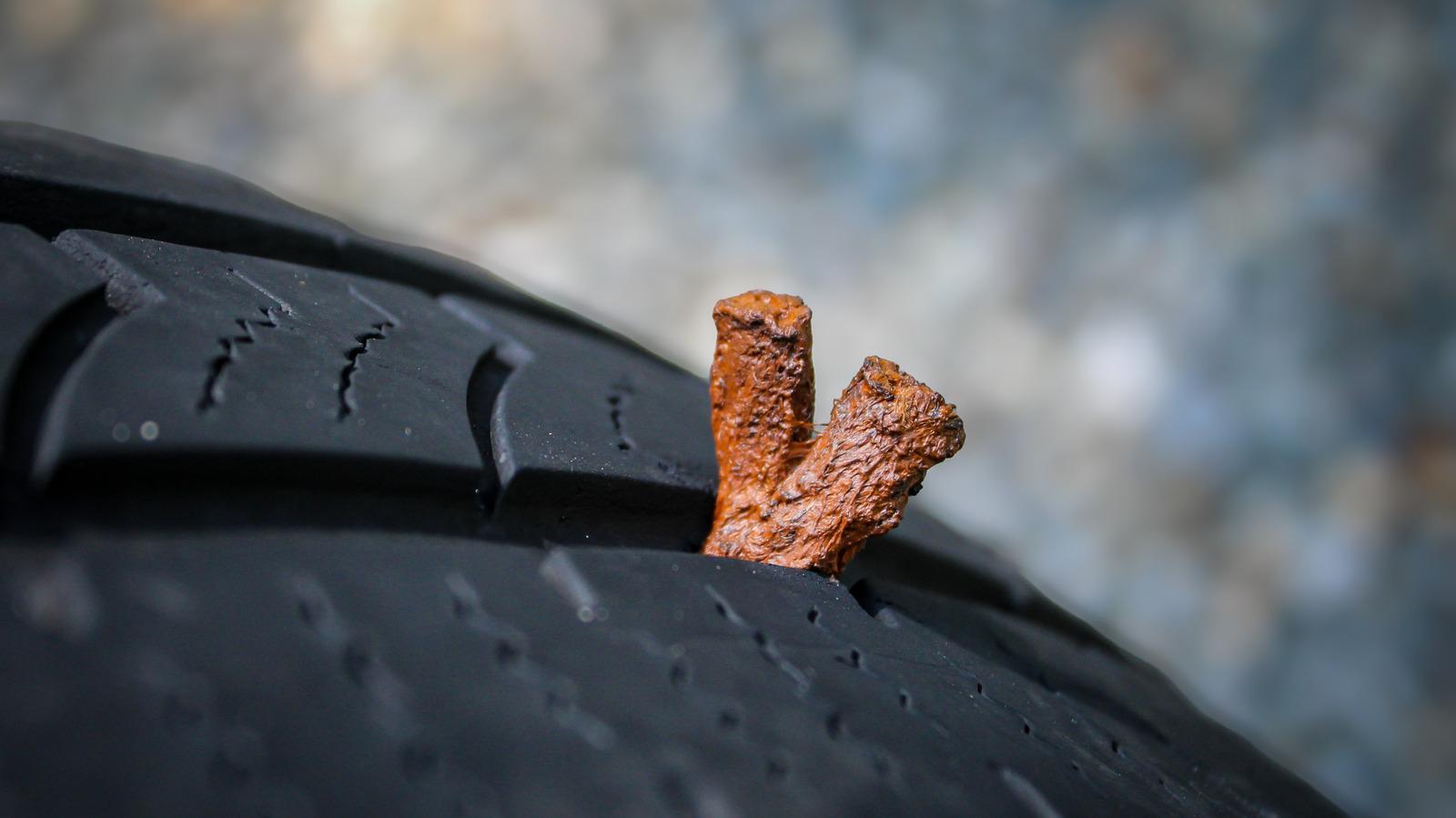
Can Semi Truck Tires Be Plugged? Safety Standards, 2026 DOT Rules & Best Repair Practices
Image: Can Semi Truck Tires Be Plugged? Safety Standards, 2026 DOT Rules & Best Repair Practices – Performance and Specifications
- Advertisement -
In the fast-paced world of logistics, every minute a semi-truck sits on the shoulder is a minute of lost revenue. With the industry pushing for 2026 delivery targets, the question ‘Can semi truck tires be plugged?’ has never been more relevant. While a quick plug might seem like the perfect fix for a small puncture, the safety implications for an 80,000-pound vehicle are massive. In this guide, we dive deep into the latest DOT regulations, the engineering behind heavy-duty tires, and why the ‘Plug-Patch’ combo has become the industry gold standard.
Immediate roadside repair costs for a commercial tire puncture in 2026 typically range from $150 to $350, depending on the location and time of day. This is a fraction of the cost of a new tire (averaging $600-$900), but doing it wrong can lead to a catastrophic blowout, totaling thousands in damages and potential legal liabilities.
- Advertisement -
The Anatomy of a Commercial Tire: Why Plugging Isn’t Always Simple
Tire Construction and Load Capacity
Unlike passenger car tires, semi-truck tires are engineered with multiple layers of steel belts and heavy-duty rubber compounds designed to withstand immense pressure. When a puncture occurs, it’s not just about the air escaping; it’s about the structural integrity of those steel belts. Moisture entering a simple plug hole can cause the steel to rust, leading to tread separation over time.
The ‘Crown’ Rule: Where Repairs Are Permitted
Per the latest safety standards, repairs—whether plugs or patches—are only permitted in the ‘crown’ area of the tire. This refers to the center portion of the tread, roughly 1 to 1.5 inches away from the shoulder. If a puncture occurs in the sidewall or the shoulder, the tire is legally considered scrap. The flexing of the sidewall prevents any plug or patch from maintaining a permanent seal, making it a ticking time bomb.
Performance & Safety: Plug vs. Patch vs. Plug-Patch Combo
The Danger of the Simple String Plug
A simple string plug, often used in emergencies for passenger cars, is widely discouraged for commercial use. While it stops the air leak, it does not seal the interior liner of the tire. Without an internal seal, air can seep into the casing layers, causing ‘blistering’ and eventually leading to a blowout. In 2026, many fleets have banned the use of standalone plugs entirely.
- Advertisement -
The Plug-Patch: The Only 2026 Certified Method
The industry-approved method involves a two-step process: filling the injury hole with a rubber stem (the plug) and sealing the inner liner with a reinforced patch. This ensures that the steel belts are protected from moisture while the air is locked inside the casing. This method is compliant with Federal Motor Carrier Safety Administration (FMCSA) standards and ensures the tire can still be safely retreaded in the future.
TPMS Integration and Tire Health
Modern 2026 semi-trucks are equipped with advanced Tire Pressure Monitoring Systems (TPMS). When a tire is plugged, the sensor must be recalibrated. Improper repairs can lead to ‘ghost’ readings or failure of the sensor to detect a secondary leak, which is why professional repair is mandatory for smart-tire systems.
Comparative Analysis: Repair Methods for Commercial Vehicles
| Repair Method | Durability Rating | Safety Compliance | Average Cost (2026) | Suitable For |
|---|---|---|---|---|
| Simple String Plug | Low | Non-Compliant | $20 – $50 | Emergency Move Only |
| Internal Patch | Medium | Partial | $80 – $120 | Minor Inner Liner Damage |
| Plug-Patch Combo | Very High | Fully Compliant | $150 – $250 | All Tread Punctures |
| Full Replacement | Maximum | Standard | $650 – $950 | Sidewall/Shoulder Damage |
2026 Technical Specifications: Tire Repair Limits
| Feature | Standard Semi-Tire Specification |
|---|---|
| Maximum Puncture Diameter | 3/8 inch (10mm) |
| Repairable Zone | Tread Area (Crown) Only |
| Minimum Remaining Tread | 4/32 inch (Steer), 2/32 inch (Drive/Trailer) |
| Maximum Repairs per Tire | Usually 2 to 3 (depending on distance apart) |
| Required Tools | Reamer, Vulcanizing Fluid, Carbide Cutter |
People Also Ask (FAQ)
1. Is it legal to plug a steer tire?
While FMCSA regulations allow for repairs in the tread area of steer tires, many major fleets have a policy of ‘No Repair’ for steer tires. If a steer tire is damaged, it is often moved to a trailer position after a certified plug-patch repair or replaced entirely for maximum safety.
- Advertisement -
2. How long does a tire plug last on a semi?
A certified plug-patch repair is considered a permanent fix and should last the remaining life of the tread, provided it was installed correctly by a certified technician.
3. Can you plug a sidewall on a truck tire?
Absolutely not. Sidewall punctures are irreparable due to the high amount of flex and heat generated in that area. Plugging a sidewall is a major DOT violation.
4. What is the maximum size hole that can be plugged?
For commercial tires, the maximum diameter of a repairable puncture is typically 3/8 of an inch (10mm). Anything larger compromises the steel belt structure.
- Advertisement -
5. Do tire plugs affect retreading?
If a tire is repaired using the proper plug-patch method, it can usually be retreaded. However, if moisture has reached the steel belts due to a poor repair, the casing will likely be rejected during the retread inspection.
6. How much does a roadside tire repair cost in 2026?
Expect to pay between $250 and $450 for a roadside service call, which includes the labor for a proper plug-patch repair and the service vehicle fee.
7. Can I use a DIY plug kit for my semi-truck?
It is not recommended. DIY kits usually only include string plugs which do not meet DOT standards for commercial vehicles and could lead to fines or accidents.
- Advertisement -
8. How many times can a semi tire be plugged?
Most manufacturers allow for up to three repairs per tire, provided the punctures are at least 90 degrees apart and do not overlap.
9. Does a plug affect the speed rating of the tire?
A properly installed plug-patch does not technically change the speed rating, but it is always wise to monitor the tire’s temperature via TPMS during the first few hundred miles after repair.
10. Why is my plugged tire still losing air?
This usually happens if the injury was not properly ‘reamed’ or cleaned before the plug was inserted, or if the internal patch failed to bond with the inner liner.
- Advertisement -
Verdict: Should You Repair or Replace?
Pros of Repairing:
– Significant cost savings over buying new rubber.
– Reduces environmental waste.
– Minimizes downtime if a mobile repair unit is available.
Cons of Repairing:
– Potential for future failure if not done by a pro.
– Risk of casing rejection during retreading.
– Not an option for sidewall or shoulder damage.
Final Recommendation: In 2026, the only acceptable way to ‘plug’ a semi-truck tire is through a certified Plug-Patch internal repair. If the puncture is in the crown and under 3/8
- Advertisement -