The Tragic Disappearance of Car Culture Sanctuaries
10 Heartbreaking Automotive Museum Closures: Updated for 2026 Heritage Report
Image: 10 Heartbreaking Automotive Museum Closures: Updated for 2026 Heritage Report – Performance and Specifications
- Advertisement -
Imagine walking into a hall filled with the smell of old leather, high-octane fuel, and the silent roar of history, only to find the doors chained shut the next day. This is the reality for many enthusiasts in 2026 as we witness a decline in physical automotive archives. The cost of maintaining rare collections is skyrocketing, with insurance premiums for vintage vehicles rising by 40% over the last decade. In this report, we look at the most heartbreaking automotive museum closures that have left a void in the hearts of petrolheads globally.
1. The Mullin Automotive Museum (Oxnard, California)
Perhaps the most profound loss in recent years, the Mullin Automotive Museum was a temple to French Art Deco design. Founded by Peter Mullin, it housed one of the world’s most significant collections of Bugattis. Following Peter’s passing and the subsequent challenges of estate management in a digital-first world, the museum closed its doors in early 2024. The loss isn’t just about the cars; it’s about the curation of a specific era of elegance that may never be gathered under one roof again.
- Advertisement -
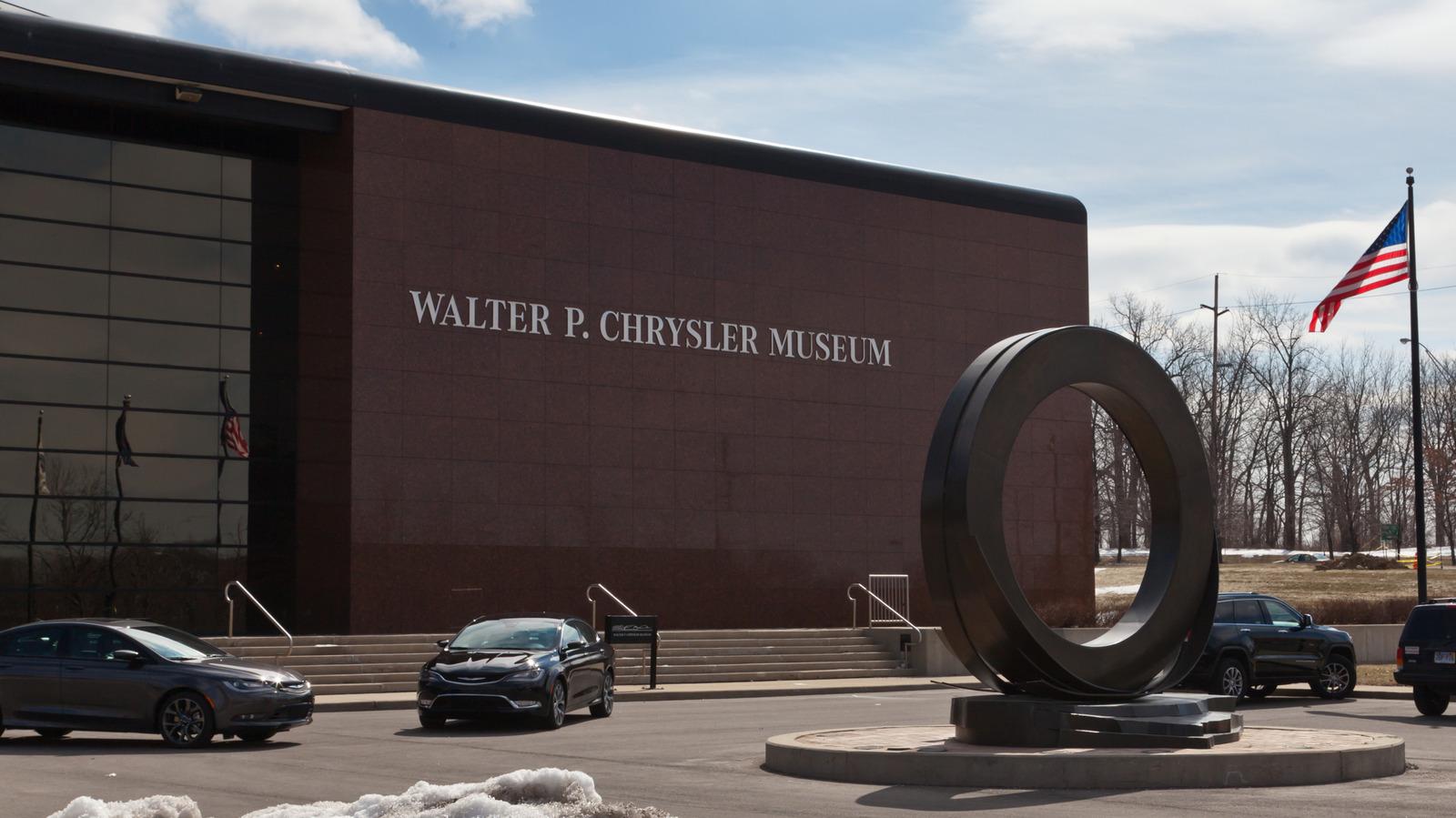
2. Walter P. Chrysler Museum (Auburn Hills, Michigan)
Once the pride of Mopar fans, the Walter P. Chrysler Museum was a three-story testament to American engineering. It didn’t just showcase cars; it showcased the evolution of the American dream. When FCA (now Stellantis) decided to convert the space into office buildings, a piece of Detroit’s soul was essentially evicted. While some cars were moved to the ‘Heritage Collection,’ the public’s ability to walk through Chrysler’s history in its intended home was permanently lost.
3. Hostetler’s Hudson Auto Museum (Shipshewana, Indiana)
This museum held the distinction of being the largest Hudson collection in the world. For fans of the ‘Step-Down’ Hudson Hornet and the unique styling of this defunct American brand, the closure in 2018 felt like a second death for the company itself. The collection was eventually auctioned off, dispersing these rare machines into private hands where they are rarely seen by the public.
The Economics of Closure: Why Museums are Fading
The primary reason for museum closures in 2026 isn’t a lack of interest, but rather the rising ‘Holding Cost’ of physical assets. Between climate-controlled storage requirements and the necessity of skilled mechanics for maintenance, the overhead is staggering. Below is a comparison of how different museum models have fared in the current economy.
- Advertisement -
| Museum Type | Primary Revenue Source | Survival Rate (2020-2026) | Key Vulnerability |
|---|---|---|---|
| Manufacturer Owned | Corporate Marketing Budget | High (65%) | Corporate Restructuring |
| Private Collections | Endowments/Personal Wealth | Low (30%) | Estate Taxes / Lack of Succession |
| Public/Non-Profit | Tickets & Grants | Moderate (45%) | Declining Physical Footfall |
4. Brooks Stevens Automotive Museum (Mequon, Wisconsin)
Brooks Stevens was a giant of industrial design, the man who gave us the Oscar Mayer Wienermobile and the Jeep Wagoneer. His museum was a quirky, personal look into the mind of a genius. When it closed, the collection was broken up, and the building that served as a pilgrimage site for designers was repurposed. It remains a stark reminder that even the most influential collections are not immune to market forces.
5. The Saab Car Museum (Trollhättan, Sweden – Near Misses)
While the Saab Museum was saved from total liquidation by the city of Trollhättan, it represents the ‘Near-Miss’ category of closures. During Saab’s bankruptcy, the entire collection was nearly auctioned off car-by-car. It serves as a haunting example of how close we are to losing entire national heritages when parent companies fail.
Comparing Iconic Closed Collections
To understand the scale of these losses, we have compiled data on the most significant closures regarding the volume of historical assets lost to private auctions.
- Advertisement -
| Museum Name | Location | Peak Collection Size | Closure Reason |
|---|---|---|---|
| Harrah’s Collection | Reno, NV | 1,400+ Cars | Corporate Acquisition |
| Tampa Bay Auto Museum | Pinellas Park, FL | 80+ Rare Imports | Financial Restructuring |
| Toyota USA Museum | Torrance, CA | 100+ Historic Units | HQ Relocation |
| Cunningham Museum | Costa Mesa, CA | Rare Lemans Racers | Private Sale |
6. Toyota USA Automobile Museum
When Toyota moved its North American headquarters to Texas, the museum in Torrance, California, suffered a quiet, bureaucratic closure. While the cars still exist in a private warehouse, the ‘Heartbreak’ stems from the lack of public access. A generation of California car kids lost their primary source of JDM history.
7. The National Motor Museum of Australia (Exhibit Losses)
While the museum remains open, significant portions of their private-loaned collections have been recalled and auctioned due to the high value of Australian muscle cars like the Holden Torana and Ford Falcon GT-HO. When a museum loses its ‘anchor’ exhibits, it is a slow-motion heartbreak for the institution.
8. The Rosso Bianco Collection (Germany)
Once the world’s largest collection of sports and racing cars, this museum’s closure led to the mass exportation of cars to the Louwman Museum and private collectors. The sheer density of racing history in one spot was never replicated in Europe.
- Advertisement -
9. The London Motor Museum
A victim of local tax disputes and high London real estate prices, this museum showcased everything from Batmobiles to custom lowriders. Its closure highlighted the struggle of urban museums to survive in gentrifying cities.
10. The Petersen ‘Vault’ Reductions
While the Petersen is thriving, the periodic ‘deaccessioning’ or selling off of vault cars to fund new operations always causes a stir. While necessary for survival, seeing historic chassis leave the public trust is a bittersweet reality of 2026 museum management.
People Also Ask (FAQ)
- Why are so many car museums closing in 2026? Rising insurance costs, estate tax complications, and a shift toward digital archives have made physical museums harder to sustain.
- What happens to the cars when a museum closes? They are typically sent to public auction houses like RM Sotheby’s or Bring a Trailer, or returned to the families of original donors.
- Can I buy a car from a closing museum? Yes, most closures result in public auctions where individual collectors can bid on the inventory.
- Is the Mullin Automotive Museum still open? No, it officially closed in early 2024 following the death of its founder.
- Which museum has the largest collection now? The LeMay – America’s Car Museum in Tacoma remains one of the largest and most stable in the US.
- Are manufacturer museums safer than private ones? Generally yes, as they are backed by corporate marketing, but they are subject to closure if the company undergoes bankruptcy.
- Can I still see the Chrysler Heritage collection? Some vehicles are displayed at the Conner Center, but it is not a traditional walk-in museum like the original Auburn Hills location.
- How can we prevent museums from closing? Supporting them through memberships, visiting frequently, and advocating for heritage status for significant collections.
- Are there any virtual car museums? Yes, many collections are moving to 360-degree VR tours to reduce physical overhead.
- What was the most expensive car sold from a closed museum? The Bugatti Type 57SC Atlantic from the Mullin estate is often cited as one of the most valuable cars ever involved in museum transitions.
Verdict: Should You Visit Now?
The clear answer is YES. The volatility of the 2026 economy means that no collection is guaranteed to be there next year. Pros: Seeing history in person, supporting the preservation of engineering, and educational value. Cons: High ticket prices and the travel required to reach remaining institutions. If there is a museum you have been meaning to visit, book the ticket today—before the doors close for good.
- Advertisement -