The Myth of the Boiling Dipstick: Why Your Oil Won’t Vaporize
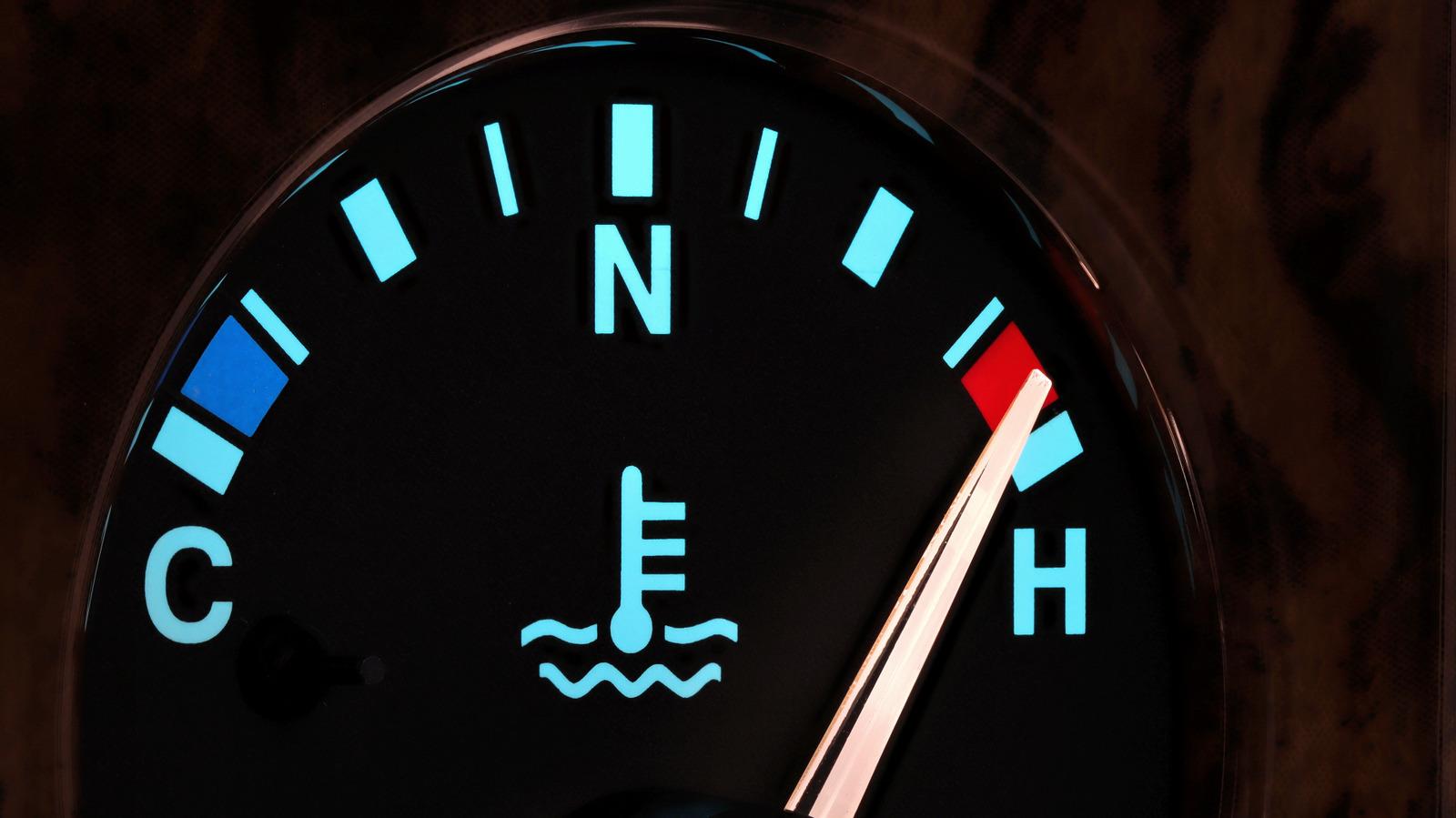
Why Motor Oil Boiling is Nearly Impossible in 2026: The Science of Engine Meltdown
Image: Why Motor Oil Boiling is Nearly Impossible in 2026: The Science of Engine Meltdown – Performance and Specifications
- Advertisement -
In the high-performance world of 2026 automotive engineering, modern synthetic lubricants are more resilient than ever. While many drivers fear their engine oil might reach a ‘boiling point’ during extreme summer heat or heavy towing, the reality is far more complex—and potentially more expensive. If you are seeing smoke that smells like burnt chemicals, it isn’t the oil boiling; it’s the oil undergoing a chemical transformation that signals the end of your engine’s life. Expect to pay anywhere from $150 to $500 for a professional diagnostic if your thermal management system fails, but the engine replacement cost could exceed $8,000.
The Chemistry of Heat: Thermal Oxidation vs. Boiling
Unlike water, motor oil is a complex mixture of hydrocarbons and additives. It doesn’t have a single boiling point. Instead, it has a ‘flash point’ and an ‘auto-ignition’ temperature. By the time oil would technically ‘boil’ (usually above 600°F), the chemical bonds have already snapped. This is known as thermal oxidation.
- Advertisement -
| Oil Brand/Type (2026 Edition) | Viscosity Grade | Flash Point (°F) | Pour Point (°F) | Typical Service Life |
|---|---|---|---|---|
| Mobil 1 Advanced Ultra | 0W-20 | 455°F | -54°F | 15,000 Miles |
| Castrol EDGE Bio-Synthetic | 5W-30 | 440°F | -45°F | 12,000 Miles |
| Shell Helix Ultra (Carbon Neutral) | 0W-30 | 460°F | -58°F | 18,000 Miles |
The Role of the Cooling System
In 2026 vehicles, active thermal management keeps oil temperatures between 210°F and 250°F. Even under heavy load, the oil cooler ensures the lubricant stays within its operational window. If your oil is actually ‘boiling,’ it means your radiator, water pump, and oil cooler have all failed simultaneously.
Carbon Buildup and Sludge Formation
When oil exceeds its thermal limit, it undergoes ‘cracking.’ The lighter molecules evaporate, leaving behind a thick, black sludge. This sludge clogs oil galleries, starving the camshafts and crankshaft of lubrication. This is a common complaint among owners of 2024-2026 turbocharged engines who skip maintenance intervals.
Turbocharger Seizure: The First Victim
The turbocharger is the hottest part of your engine, often reaching 1,000°F. If you shut down a hot engine without letting it idle, the oil trapped in the turbo ‘cooks.’ This creates carbon deposits that will eventually seize the turbine shaft.
- Advertisement -
Seal and Gasket Degradation
Excessive heat makes rubberized seals brittle. Once the oil temperature spikes, your valve cover gaskets and main seals will begin to leak, leading to further oil loss and an even faster rise in temperature.
The Catastrophic ‘Bigger Problems’
If your oil reaches 400°F+, the viscosity drops to the consistency of water. It can no longer maintain a film between moving metal parts. This results in spun bearings, thrown rods, and a seized engine block—issues far more severe than simple ‘boiling.’
| Service/Repair Type | Estimated Cost (Ex-Showroom/Parts) | Labor Complexity |
|---|---|---|
| Full Synthetic Oil Flush & Change | $120 – $180 | Low |
| Turbocharger Replacement | $1,800 – $3,200 | High |
| Engine Block Resurfacing | $2,500 – $4,000 | Very High |
| Total Engine Replacement (Crate) | $7,500 – $12,000 | Extreme |
The Comparison: Lubrication Resilience in 2026 Rivals
When comparing the thermal management of the 2026 Volkswagen Tayron R-Line vs. the Toyota Fortuner, the Tayron uses a sophisticated electronic oil pump that varies flow based on temperature, whereas the Fortuner relies on a mechanical high-volume system. The Tayron handles peak thermal loads better, but the Fortuner’s system is considered more reliable for long-term off-roading.
- Advertisement -
People Also Ask (FAQ)
- Can motor oil boil in a car? No, it chemically decomposes and oxidizes before it reaches a boiling point.
- What happens if oil gets too hot? It loses viscosity, forms sludge, and can lead to immediate engine seizure.
- At what temperature does synthetic oil fail? Most high-quality synthetics begin to break down significantly around 300°F and fail completely near 400°F.
- Is smoke from the dipstick boiling oil? No, that is usually ‘blow-by’ gases or water vapor evaporating from the crankcase.
- How do I know if my oil is burnt? Burnt oil will be jet black, smell like acrid smoke, and feel gritty between your fingers.
- Does 0W-8 oil boil faster than 5W-30? No, the base stock determines the thermal limit, not just the viscosity grade.
- Can a bad water pump cause oil to boil? It will cause the engine to overheat, which in turn causes the oil to reach dangerous decomposition temperatures.
- What is the best oil for high heat in 2026? Ester-based synthetics or Group IV PAO oils offer the highest thermal stability.
- Does towing increase oil temperature? Yes, towing increases engine load, which can raise oil temps by 20-50°F.
- Should I use an oil cooler? If you drive a turbocharged car or tow frequently, an external oil cooler is highly recommended.
Verdict: Should You Worry?
Pros: Modern engines have multiple fail-safes (Limp Mode) to prevent oil from reaching ‘boiling’ temperatures. Synthetic oils of 2026 are incredibly stable.
Cons: If you ignore a ‘Coolant Temp’ warning, the resulting oil breakdown is irreversible and will destroy the engine in minutes.
Final Word: You don’t need to worry about your oil boiling away like a pot of pasta. However, you must worry about the cooling system. If the cooling system fails, the oil is your engine’s last—and very temporary—line of defense.
- Advertisement -