The Small Component with a Massive Impact
Neglecting Your Spark Plugs in 2026: The Hidden Engine Killer You’re Ignoring
Image: Neglecting Your Spark Plugs in 2026: The Hidden Engine Killer You’re Ignoring – Performance and Specifications
- Advertisement -
In the high-tech automotive landscape of 2026, where hybrid powertrains and high-compression turbocharged engines dominate the Indian roads, one tiny component remains the heart of combustion: the spark plug. Often overlooked during routine maintenance, neglecting these small ceramic-and-metal bolts can lead to catastrophic engine failure. While a set of high-quality Iridium or Ruthenium plugs might cost you anywhere from ₹1,200 to ₹5,500, ignoring them can result in repair bills exceeding ₹1.5 Lakh. This guide explores why spark plug health is more critical now than ever before.
Why Spark Plugs Matter More in 2026 Modern Engines
Modern engines utilize Direct Injection and Variable Valve Timing (VVT) to squeeze every drop of efficiency from fuel. These systems require a precise, high-intensity spark. In 2026, even a microsecond delay in ignition caused by a fouled plug can disrupt the ECU’s timing, leading to a ‘limp mode’ activation or severe cylinder washing.
- Advertisement -
The Domino Effect: How Neglect Destroys Your Vehicle
When you neglect your spark plugs, you aren’t just losing a bit of power; you are initiating a chain reaction of mechanical degradation. A misfiring plug allows unburnt fuel to exit the combustion chamber. This fuel then hits the extremely hot Catalytic Converter, causing it to overheat and eventually melt—a repair that costs ten times more than the plugs themselves.
1. Carbon Fouling and Cold Starts
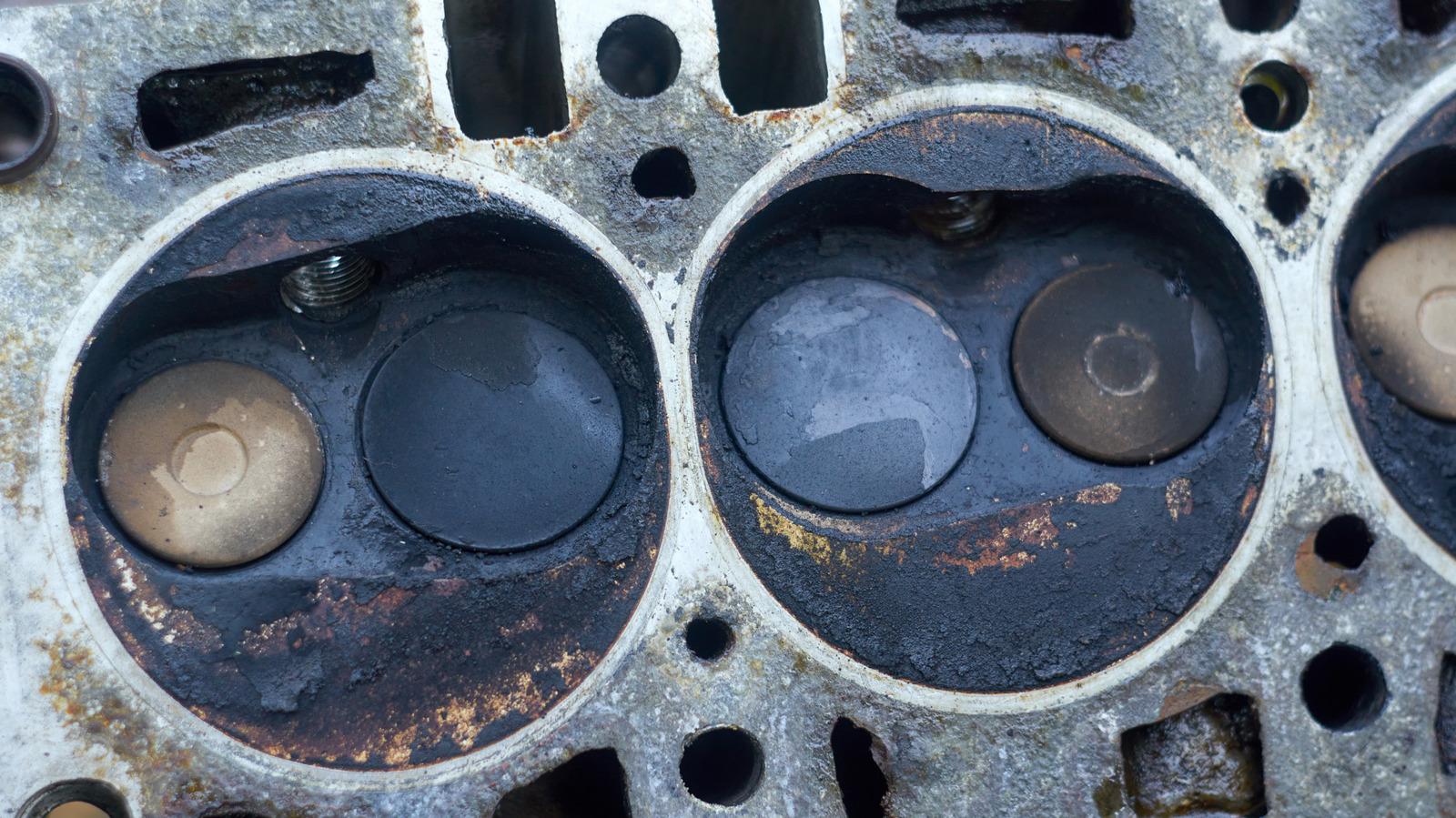
As plugs age, they accumulate carbon deposits. In the humid climates of cities like Mumbai or Chennai, this leads to poor cold-start performance. If your engine cranks longer than three seconds, your plugs are likely the culprit.
2. The Impact on Fuel Efficiency (MPG)
Data from 2026 road tests shows that worn spark plugs can decrease fuel economy by up to 30%. With fuel prices remaining a concern, keeping your ignition system sharp is the easiest way to save money at the pump.
- Advertisement -
3. Ignition Coil Overload
A worn spark plug has a wider ‘gap.’ To jump this gap, the ignition coil must produce significantly higher voltage. Over time, this stress fries the ignition coil, adding another expensive layer to your maintenance bill.
4. Pre-Ignition and Engine Knocking
Degraded plugs can develop ‘hot spots.’ These spots can ignite the air-fuel mixture before the piston reaches the optimal position, causing a metallic ‘pinging’ sound known as knocking. In modern high-compression engines, this can literally punch a hole through a piston.
5. Environmental Toll and Emissions
A vehicle with bad spark plugs will fail modern Bharat Stage VII (BS7) emission norms. The increased hydrocarbon output not only harms the environment but will also trigger a Check Engine Light (CEL) that prevents your vehicle from passing fitness certifications.
- Advertisement -
2026 Spark Plug Technology Comparison
Choosing the right plug is vital. Here is how the top three technologies of 2026 compare for modern Indian driving conditions.
| Feature | Platinum Plugs | Iridium IX | Ruthenium HX (Top Tier) |
|---|---|---|---|
| Melting Point | 1,768°C | 2,466°C | 2,334°C (High Oxidation Res) |
| Service Life | 60,000 km | 100,000 km | 120,000+ km |
| Fuel Efficiency Gain | Standard | 2-3% Improvement | 4-5% Improvement |
| Best For | Older Hatchbacks | Performance Sedans | Turbocharged & Hybrid Engines |
Technical Specifications & Maintenance Schedule
Understanding the technical requirements of your vehicle’s ignition system is the first step toward longevity.
| Parameter | Standard Specification (2026) | Symptoms of Failure |
|---|---|---|
| Electrode Gap | 0.8mm – 1.1mm | Rough Idling |
| Tightening Torque | 15 – 30 Nm (Vehicle Specific) | Engine Vibration |
| Average Cost (Set of 4) | ₹2,800 (Mid-range) | Loss of Acceleration |
| Replacement Interval | Every 40,000 – 80,000 km | Check Engine Light (P0300) |
People Also Ask (FAQ)
- How often should I change spark plugs in 2026? For most modern cars, every 60,000 to 80,000 km is recommended, but check your manual as some Iridium plugs last 100,000 km.
- Can bad spark plugs cause my car not to start? Yes, if the electrodes are too worn or fouled, they won’t create the spark needed for combustion.
- Will new spark plugs increase horsepower? They won’t ‘add’ horsepower beyond factory specs, but they will ‘restore’ power lost due to old, inefficient plugs.
- Is it okay to replace just one spark plug? No, it is highly recommended to replace the entire set to ensure even combustion across all cylinders.
- What does a ‘fouled’ spark plug look like? It usually appears black and oily or covered in dry, soot-like carbon deposits.
- Can I change spark plugs myself? Yes, with a torque wrench and a spark plug socket, it is a manageable DIY task for most enthusiasts.
- Do hybrids need spark plug changes? Yes, though the engine runs less frequently, the constant cycling on/off can actually stress plugs differently.
- Why are Iridium plugs so expensive? Iridium is a rare precious metal with a very high melting point, allowing for a thinner, more efficient electrode.
- What is ‘Gapping’ a spark plug? It is the process of adjusting the distance between the center and ground electrodes to meet manufacturer specs.
- Does a misfire always mean bad spark plugs? Not always; it could be a bad ignition coil, fuel injector, or vacuum leak, but plugs are the most common cause.
The Verdict: Should You Upgrade or Wait?
Neglecting your spark plugs is a gamble where the house always wins. In 2026, the precision required by modern engines leaves zero room for error.
- Advertisement -
Pros of Regular Replacement:
– Restored throttle response.
– Peak fuel efficiency (saves money long-term).
– Protects expensive Catalytic Converters and Oxygen Sensors.
– Smoother idling and cold starts.
Cons of Neglect:
– Risk of total engine seizure or piston damage.
– High secondary repair costs (Coils, ECU, Exhaust).
– Poor resale value due to neglected maintenance logs.
Final Recommendation: If your vehicle has crossed the 50,000 km mark and you haven’t checked your plugs, do it today. Upgrading to Ruthenium or Iridium is a minor investment that pays for itself in fuel savings and peace of mind.
- Advertisement -