The 2026 V8 Verdict: Is Displacement Still King?
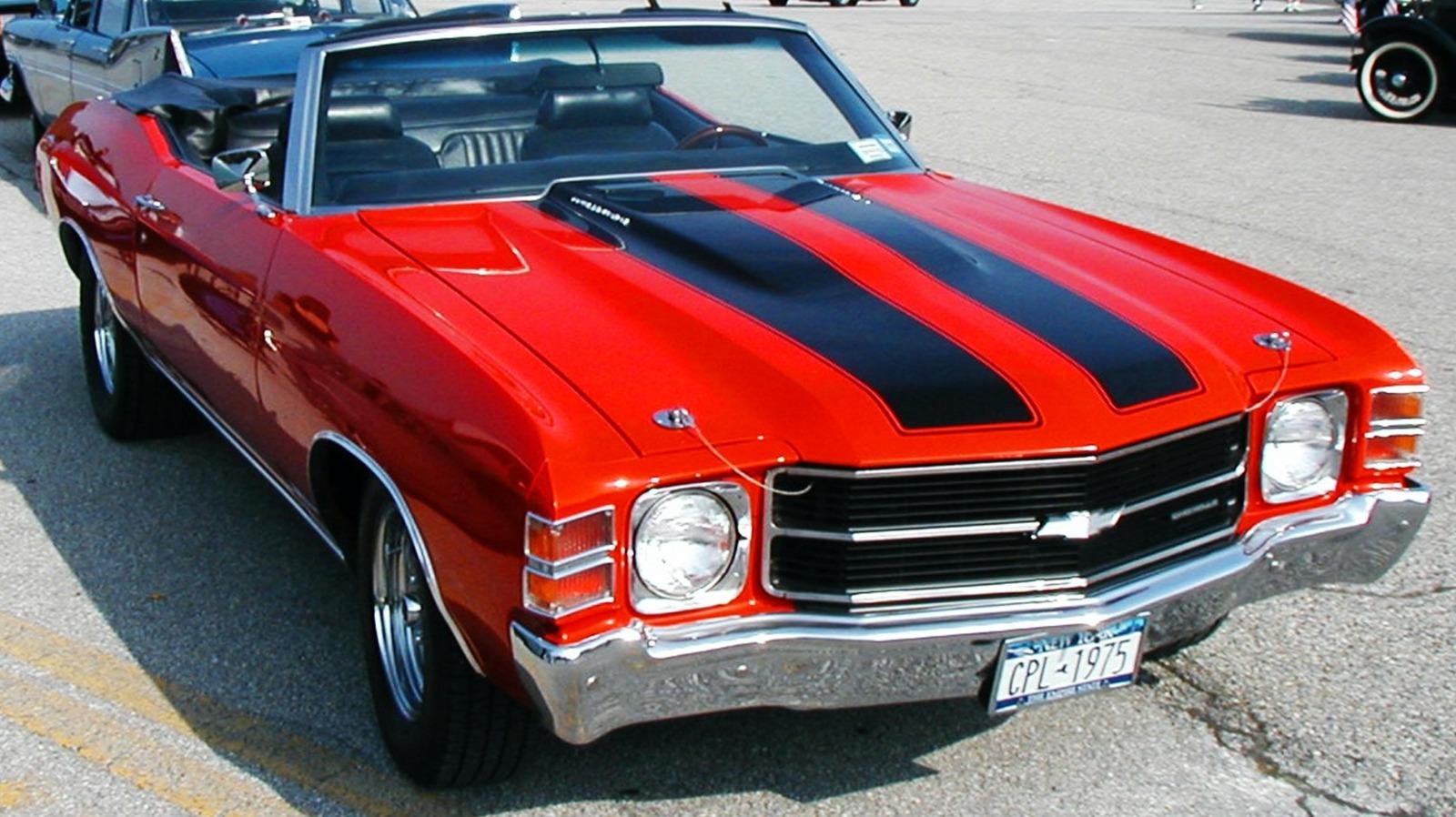
Small Block vs Big Block V8s in 2026: Have Turbos and Hybrids Finally Replaced Displacement?
Image: Small Block vs Big Block V8s in 2026: Have Turbos and Hybrids Finally Replaced Displacement? – Performance and Specifications
- Advertisement -
For nearly a century, the automotive world has lived by a singular, unshakeable mantra: “There is no replacement for displacement.” If you wanted more power, you built a bigger engine. However, as we move through 2026, that age-old wisdom is being challenged by the most advanced engineering we have ever seen. With the rise of high-efficiency twin-turbocharging and the integration of high-output electric motors, the line between the ‘Small Block’ and the ‘Big Block’ has become thinner than a head gasket. Whether you are looking at a crate engine for a project or a factory performance beast, entry prices for high-performance V8 units in 2026 start at approximately $9,500 for base small blocks, scaling up to $25,000 for hybrid-integrated performance systems.
Defining the Modern Small Block
Historically, a small block V8 (like the legendary Chevy 350 or Ford 302) was defined by its physical footprint and a displacement typically under 400 cubic inches (6.4L). In 2026, the small block has evolved into a high-tech marvel. Using lightweight alloys and Variable Valve Timing (VVT), modern small blocks like the GM LT series are delivering power-to-weight ratios that big blocks of the 70s could only dream of. Users on performance forums often praise the small block for its agility; the lower front-end weight translates directly to better turn-in and sharper handling in sports cars.
- Advertisement -
The Big Block: The Heavyweight Champion Refuses to Retire
The big block (typically 400+ cubic inches) was built for one thing: raw, unadulterated torque. In 2026, engines like the Ford 7.3L ‘Godzilla’ and the GM ZZ632 continue to dominate the heavy-duty towing and drag-racing circuits. The ‘pro’ here is thermal management. A larger block has more surface area to dissipate heat, making it more reliable for sustained heavy loads. However, the ‘con’ frequently cited by 2026 owners is fuel consumption and the sheer physical mass that requires specialized suspension tuning to manage.
The Great Equalizers: Turbos and Hybrid Torque Fill
What happens when you take a compact 5.0L small block and strap two 60mm turbochargers to it? In 2026, you get a ‘Small Block’ that produces 800 lb-ft of torque—firmly in the territory of a 7.4L naturally aspirated big block. Turbocharging uses exhaust gases to force more air into the engine, effectively making a small engine breathe like a big one. Furthermore, 2026 has seen the perfection of ‘Torque Fill’ via hybrid electric motors. These motors provide instant torque at 0 RPM, eliminating the traditional ‘turbo lag’ and giving small blocks the off-the-line grunt that was once the exclusive domain of big blocks.
Performance and Efficiency Metrics
In 2026, performance isn’t just about the quarter-mile; it’s about how that power is delivered. Small blocks are now achieving over 25 MPG on the highway when paired with 10-speed transmissions, a feat impossible for the massive bores of a big block. However, for those pulling 20,000-pound trailers, the big block’s naturally aspirated power curve remains the gold standard for predictability and longevity.
- Advertisement -
Interior Tech and Engine Management
Modern V8s in 2026 are controlled by ECUs more powerful than the laptops of five years ago. Features now include cylinder deactivation that can turn a V8 into a V4 during cruising, and ‘Predictive Cooling’ which uses GPS data to prepare the engine’s thermal system for an upcoming steep grade. Safety is also integrated; 2026 NCAP ratings for V8-powered trucks have improved because smaller, more compact engine blocks allow for larger ‘crumple zones’ in the engine bay.
| Feature | 2026 Small Block (Hybrid-Turbo) | 2026 Big Block (NA/Supercharged) | European Luxury V8 (Bi-Turbo) |
|---|---|---|---|
| Avg. Displacement | 4.0L – 6.2L | 6.6L – 9.0L | 4.0L – 4.4L |
| Horsepower Range | 450 – 850 hp | 500 – 1,000+ hp | 600 – 800 hp |
| Weight | 400 – 500 lbs | 650 – 800 lbs | 480 – 550 lbs |
| Fuel Economy | 18-26 MPG | 8-14 MPG | 15-22 MPG |
| Primary Use | Sports Cars / Light Trucks | Heavy Duty / Drag Racing | Luxury Performance |
2026 Technical Specifications Comparison
| Specification | Chevrolet LT6 (Small Block) | Ford ‘Godzilla’ 7.3L (Big Block) |
|---|---|---|
| Configuration | V8, DOHC, 32-Valve | V8, OHV, 16-Valve |
| Induction | Naturally Aspirated (High Rev) | Naturally Aspirated / Port Injection |
| Compression Ratio | 12.5:1 | 10.5:1 |
| Max RPM | 8,600 RPM | 6,000 RPM |
| Cooling System | Dry Sump / High Flow | Standard Wet Sump |
2026 Estimated Pricing (Ex-Showroom/Crate)
| Variant/Model | Estimated Price (USD) | Best For |
|---|---|---|
| Base 5.0L Small Block Crate | $9,500 | Street Rods & Daily Drivers |
| 6.2L Supercharged LT4 | $16,800 | Track Performance |
| 7.3L ‘Godzilla’ Big Block | $11,200 | Towing & Heavy Work |
| Hybrid V8 E-Performance Kit | $22,500 | Eco-Performance Tuners |
| 10.3L ZZ632 Big Block | $31,000 | Professional Drag Racing |
People Also Ask (FAQ)
- Is a small block V8 better than a big block? It depends on the application. Small blocks are better for handling and efficiency, while big blocks are superior for high-torque towing.
- Can a turbo small block outrun a big block? Yes, modern turbo kits allow small blocks to produce significantly more horsepower than traditional naturally aspirated big blocks.
- What defines a big block in 2026? Generally, any V8 with a displacement over 6.6 Liters or a physical frame larger than the standard 9.2-inch deck height.
- Are V8 engines being phased out in 2026? While many are moving to V6 hybrids, the high-performance V8 market remains strong with hybrid assistance.
- Does a hybrid V8 save fuel? Yes, the electric motor handles low-speed crawling and regenerative braking, improving city MPG by up to 30%.
- What is the most reliable V8 in 2026? Naturally aspirated big blocks are often cited as most reliable for heavy work due to lower internal pressures compared to turbo small blocks.
- Is displacement still important? Yes, for heat management and ‘low-down’ torque without the complexity of turbos.
- How much does a 2026 V8 engine weigh? A modern aluminum small block weighs about 450 lbs, while an iron big block can exceed 700 lbs.
- Can I swap a hybrid V8 into an old car? Yes, 2026 ‘Connect and Cruise’ hybrid kits are now available for restomod projects.
- Does turbocharging shorten engine life? If properly engineered with forged internals (standard in 2026), modern turbo engines can last well over 200,000 miles.
Verdict: Which Should You Choose?
In 2026, the choice between small block and big block is no longer about power—both can reach 1,000 horsepower with the right modifications. Instead, the choice is about character and application. If you want a car that carves canyons and returns decent fuel economy, the Hybrid-Small Block is the undisputed winner. However, if you are building a dedicated towing rig or a classic-style dragster where simplicity and heat soak resistance are key, the Big Block remains the king of the hill.
Pros: Small blocks offer better weight distribution, higher rev ceilings, and better fuel tech. Big blocks offer unmatched thermal stability and simple, massive torque curves.
- Advertisement -
Cons: Small blocks can be overly complex with turbo/hybrid systems. Big blocks are heavy, difficult to package in smaller engine bays, and face stricter emissions penalties in 2026.