The Ultimate DIY Question: Can You Replace Spark Plugs with Pencils?
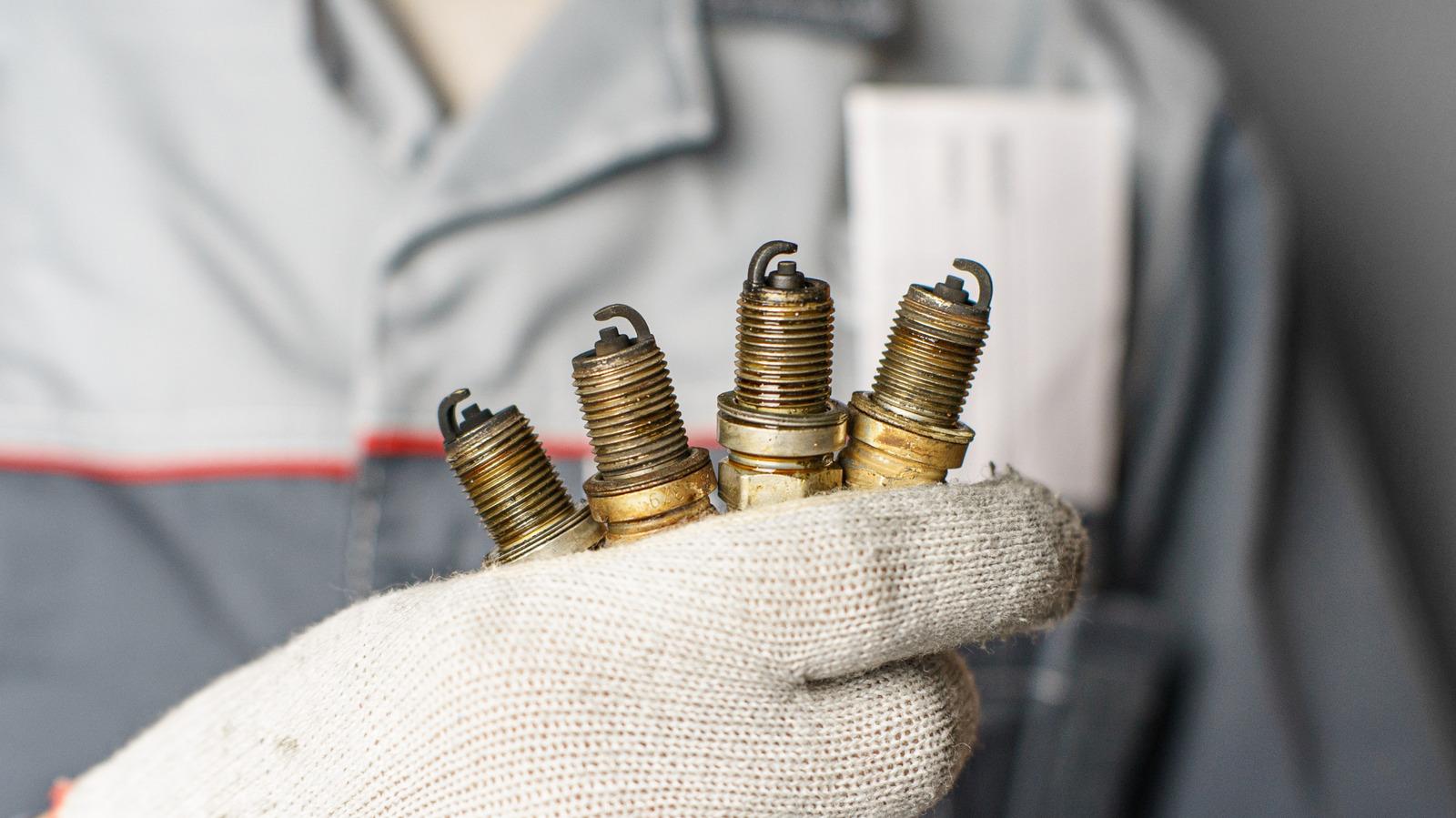
DIY Ignition Myths: Garage 54’s Pencil Spark Plug Experiment & 2026 Tech Outlook
Image: DIY Ignition Myths: Garage 54’s Pencil Spark Plug Experiment & 2026 Tech Outlook – Performance and Specifications
- Advertisement -
In the high-octane world of automotive experimentation, few names resonate as loudly as Garage 54. Known for their brutal, fascinating, and often bizarre tests on aging Russian machinery, they recently tackled a question that sounds like a joke from a high school chemistry class: Can you use a pencil to replace the core of a spark plug? While a standard spark plug from brands like NGK or Bosch will set you back anywhere from $8 to $45 (approx. ₹650 to ₹3,700) in 2026, a simple HB pencil costs mere cents. But as the saying goes, you get what you pay for. This deep dive looks at the science, the experiment, and the current state of ignition technology.
The Science Behind the Graphite Core
The core of the experiment lies in the properties of graphite. Unlike the rest of the pencil, the ‘lead’ is actually a mixture of graphite and clay. Graphite is a form of carbon that conducts electricity, which is the primary requirement for an ignition system to bridge the gap and create a spark. In modern 2026 engines, the demand for precision is higher than ever, with thin-wire iridium and platinum plugs being the industry standard for their high melting points and low electrical resistance.
- Advertisement -
DIY or Die? The Construction Process
To create the ‘pencil plug,’ the team at Garage 54 had to carefully extract the graphite core without snapping it—a feat in itself. They then hollowed out a standard spark plug casing, removing the ceramic insulator and the central electrode. The pencil lead was inserted into the metal shell, insulated with makeshift materials to prevent the spark from grounding out prematurely. In a 2026 context, where DIY enthusiasts are constantly looking for ‘hacks’ to save on maintenance, this experiment serves as a stern warning against compromising on ignition integrity.
The Performance Analysis: Does It Actually Fire?
Surprisingly, the engine did start. Graphite’s conductive nature allowed the high-voltage current from the ignition coil to reach the combustion chamber. However, the performance was far from optimal. Within minutes, the physical limitations of wood and soft carbon became apparent. Unlike the high-grade ceramics used in professional plugs, the pencil components could not withstand the intense heat and pressure of the internal combustion process.
| Material Property | Graphite (Pencil) | Copper Core | Iridium (2026 Std) |
|---|---|---|---|
| Melting Point | ~3,600°C (Sublimes) | 1,085°C | 2,446°C |
| Electrical Conductivity | Moderate | Very High | High |
| Durability (Miles) | < 1 Mile | 20,000 | 100,000+ |
| Cost (Estimated) | $0.10 | $5.00 | $25.00 |
2026 Spark Plug Market: What Enthusiasts Are Buying
As we move through 2026, the ‘Cons’ of traditional spark plugs—mainly their tendency to foul in cold weather or under-perform in high-compression hybrid engines—have led to a surge in ‘Smart Plugs.’ These 2026 models feature integrated sensors that report real-time combustion data to the vehicle’s ECU. Comparing these to a pencil lead is like comparing a supercomputer to an abacus.
- Advertisement -
The Resistance Factor
One major issue identified in the Garage 54 test was resistance. Graphite has significantly higher electrical resistance than copper or silver electrodes. In modern engines, this causes the ignition coil to work harder, eventually leading to coil failure. If you are driving a 2026 SUV or a performance sedan, using such a makeshift solution would likely trigger a ‘Limp Mode’ error within seconds.
Thermal Durability and Safety
Safety is a paramount concern. While spark plugs don’t have a traditional NCAP rating, their failure can lead to engine fires or catastrophic mechanical damage. The wood casing of a pencil is flammable, and as the graphite heats up, the structural integrity of the ‘plug’ vanishes, potentially dropping debris into the cylinder. This could result in a total engine rebuild costing thousands of dollars.
| 2026 Variant | Technology Type | Ex-Showroom Price (Est.) |
|---|---|---|
| Standard OEM | Nickel/Copper | $12.00 |
| Performance Plus | Double Platinum | $22.00 |
| Ultra-Efficiency | Iridium/Rhodium | $38.00 |
| Smart-Ignite 2026 | Sensor-Integrated | $55.00 |
Comparison: DIY Pencil vs. 2026 Industry Leaders
To understand why the automotive world hasn’t pivoted to school supplies for ignition, we must look at the leading 2026 spark plug manufacturers: NGK and Bosch. These companies have spent millions perfecting the ‘Laser Iridium’ technology which provides a stable spark even in lean-burn 2026 engines.
- Advertisement -
The NGK Laser Series vs. The HB #2
The NGK Laser series uses a laser-welded iridium tip, which is essentially erosion-proof. In contrast, the HB pencil lead erodes almost instantly under the 30,000-volt stress of a modern ignition system. The ‘Pros’ of the NGK include better fuel economy and lower emissions, which are critical for 2026 compliance. The only ‘Pro’ for the pencil is its price, which is negated the moment the engine stalls.
People Also Ask (FAQs)
- Can a car actually run on pencil lead spark plugs? Yes, but only for a very short duration. The graphite conducts electricity, but the materials cannot handle engine heat.
- What is the best spark plug for 2026 vehicles? Iridium and Ruthenium plugs are currently the top choice for longevity and performance.
- How much do spark plugs cost in 2026? Prices range from $10 for basic models to $60 for high-tech sensor-equipped plugs.
- What happens if a spark plug fails? It causes misfiring, reduced fuel economy, and potential damage to the catalytic converter.
- Why did Garage 54 use pencils? To test the limits of conductivity and DIY ingenuity in extreme conditions.
- Is graphite a good conductor for engines? It is a conductor, but its high resistance and fragility make it poor for automotive use.
- Will a pencil plug damage my ECU? Yes, the irregular resistance can send feedback loops that may damage the ignition coil or the engine control unit.
- Are there ‘Smart’ spark plugs in 2026? Yes, new models can monitor cylinder pressure and temperature directly.
- Can I use a pencil for an emergency fix? It is highly discouraged as it poses a fire risk and could cause permanent engine damage.
- What is the lifespan of a 2026 iridium plug? Most are rated for 100,000 to 120,000 miles.
Verdict: Should You Try This?
The Garage 54 experiment is a masterclass in ‘just because you can, doesn’t mean you should.’ While it provides a fascinating look at the properties of graphite, it highlights the incredible engineering that goes into a standard $15 part.
Pros:
- Extremely low cost (cents per unit).
- Graphite is a natural conductor.
- Interesting scientific curiosity.
Cons:
- High risk of engine fire.
- Immediate degradation of performance.
- Potential for catastrophic internal engine damage.
- Incompatible with modern 2026 electronics.
Final Thoughts: Stick to the professionals. If you’re looking for performance in 2026, invest in high-quality Iridium plugs. Leave the pencils in the classroom.
- Advertisement -