The Invisible Eye: How Traffic Lights See You in 2026
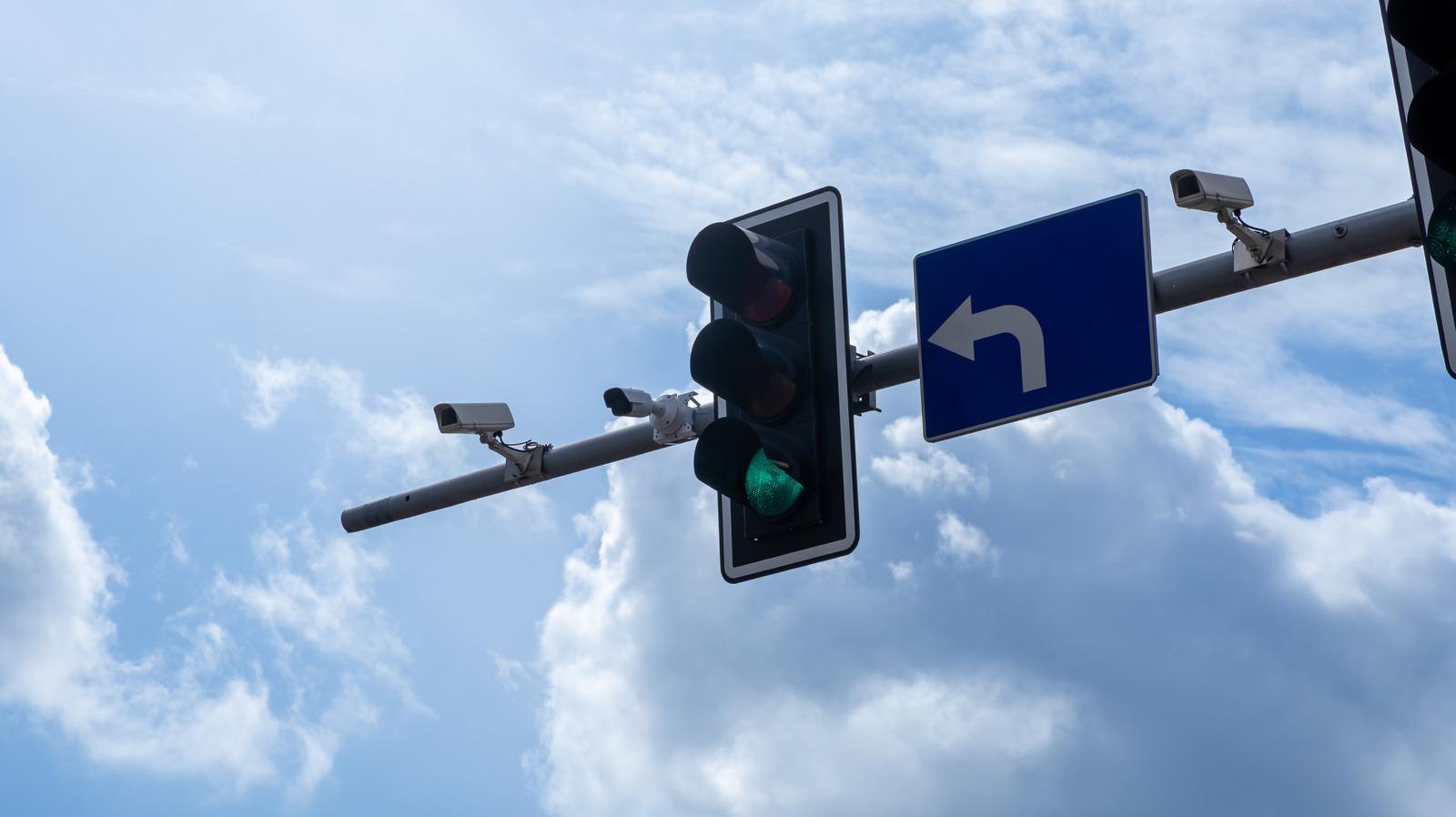
How Traffic Light Sensors Detect Your Car: The Ultimate 2026 Guide to Smart Signals
Image: How Traffic Light Sensors Detect Your Car: The Ultimate 2026 Guide to Smart Signals – Performance and Specifications
Advertisement
It is 2:00 AM, the streets are deserted, and you are sitting at a red light that refuses to turn green. We have all been there. You might wonder if the light is on a simple timer or if it actually knows you are waiting. In 2026, the answer is increasingly sophisticated. Traffic light sensors are no longer just ‘dumb’ triggers; they are the nervous system of the modern smart city, saving average commuters up to 25 hours of idling time per year. With implementation costs for AI-integrated intersections now ranging from $15,000 to $50,000 per junction, these systems are a massive investment in urban efficiency.
The Technology Evolution: From Magnets to Artificial Intelligence
For decades, traffic detection relied on simple physical triggers. However, the shift toward ‘Actuated Signaling’—where the light responds to real-time demand—has birthed a new era of sensor technology. Whether you are driving a legacy petrol car or a connected 2026 EV, the infrastructure below and above you is working hard to calculate your arrival and intent.
Advertisement
The Five Main Types of Traffic Light Sensors
1. Inductive Loop Sensors (The Invisible Coils)
The most common technology you will see (or rather, not see) are inductive loops. These are wire coils buried in the asphalt near the stop line. When a large metal object—like your car—passes over the loop, it changes the inductance of the coil, sending a signal to the controller. While reliable for cars, they often struggle to detect carbon-fiber bicycles or small motorcycles, leading to the common complaint of ‘unresponsive’ lights for bikers.
2. AI-Powered Video Detection
In 2026, many cities have swapped underground wires for overhead cameras. These aren’t just for surveillance; they use Edge-AI to analyze video feeds in real-time. These ‘Vision Centers’ can distinguish between a bus, a pedestrian, and a cyclist, adjusting the green-light duration accordingly. Systems like ‘NoTraffic’ (currently being rolled out for the 2026 FIFA World Cup hubs) can even predict when a group of pedestrians is about to step off the curb.
3. Microwave Radar and LiDAR
Radar sensors, mounted on the signal arms, use radio waves to detect motion and speed. Unlike cameras, they aren’t blinded by sun glare or heavy fog. In high-tech corridors, LiDAR (Light Detection and Ranging) provides a 3D ‘point cloud’ of the intersection, offering centimeter-level accuracy even in total darkness.
Advertisement
4. Infrared (Thermal) Detection
Passive infrared sensors detect the heat signatures of engines and human bodies. This is particularly useful for detecting pedestrians waiting at crosswalks without requiring them to push a physical button—a touchless innovation that became standard post-pandemic.
5. V2I (Vehicle-to-Infrastructure) Communication
The ‘Holy Grail’ of 2026 traffic management is V2I. If you are driving a modern connected vehicle, your car ‘talks’ to the traffic light via 5G-V2X protocols. Your car tells the light its speed and position, and the light tells your dashboard exactly how many seconds are left until the green phase, allowing for ‘Green Light Optimal Speed Advisory’ (GLOSA) to prevent unnecessary braking.
Technical Specifications & Performance Comparison
Choosing the right sensor depends on the city’s climate, budget, and traffic density. Here is how the leading technologies stack up in 2026.
Advertisement
| Feature | Inductive Loops | AI Video Detection | LiDAR Systems | V2I (V2X) |
|---|---|---|---|---|
| Detection Accuracy | 85% (Poor for Bikes) | 95%+ (Multimodal) | 99% (3D Mapping) | 100% (Data Based) |
| Weather Resilience | Excellent | Moderate (Fog/Glare) | Moderate (Heavy Rain) | Excellent |
| Maintenance Needs | High (Road Wear) | Low (Lens Cleaning) | Low | Software-Based |
| Best Use Case | Rural Intersections | Smart City Hubs | High-Risk Junctions | Autonomous Zones |
The Cost of Intelligence: 2026 Implementation Pricing
For municipal planners and curious taxpayers, the ‘variant’ of the smart signal determines the price tag. Below is the estimated ex-showroom pricing for intersection hardware packages in 2026.
| System Variant | Hardware Included | Estimated Cost (Per Junction) | Target Efficiency Gain |
|---|---|---|---|
| Standard Actuated | Inductive Loops + Timer | $8,000 – $12,000 | 10% Reduction in Idle |
| Smart Vision Pro | AI Cameras + Edge Hub | $22,000 – $35,000 | 25% Reduction in Idle |
| Next-Gen V2X Hub | LiDAR + 5G RSU + AI | $50,000 – $75,000 | 40%+ Reduction in Idle |
People Also Ask (FAQ)
- How do traffic lights know if a car is there at night? Most use inductive loops or infrared sensors that detect the metal mass or heat of your vehicle regardless of ambient light.
- Why do some lights stay red even when no one is coming? This is often due to ‘fixed-time’ programming or a broken inductive loop that fails to register your car’s presence.
- Can I trigger a light by flashing my high beams? No. While some emergency vehicles use infrared ‘MIRT’ strobes to change lights, consumer high beams do not have the specific frequency needed to trigger sensors.
- Do traffic light sensors have cameras that record me? Some use cameras for detection, but in 2026, most systems use ‘Privacy-by-Design,’ processing data at the edge and deleting footage immediately after vehicle counts.
- Why don’t sensors detect my motorcycle? Motorcycles have less metal mass, which sometimes fails to trigger the magnetic field of an inductive loop. Positioning your bike directly over the wire ‘cut’ in the road helps.
- What is a ‘Smart’ traffic light? It’s a light that uses AI to adjust its timing based on real-time traffic volume rather than a pre-set schedule.
- Are traffic sensors used for speeding tickets? Generally, no. Detection sensors and enforcement cameras (Red Light Cameras) are usually separate systems, though 2026 ‘All-in-One’ units are beginning to integrate both.
- Can weather affect traffic sensors? Yes, heavy snow can obscure video sensors, and extreme frost can break underground inductive loops.
- How does a light prioritize an ambulance? Using ‘Preemption’ technology, emergency vehicles emit a specific radio or optical signal that forces the light to turn green.
- Will V2X technology replace physical sensors? Eventually, yes. Once a critical mass of cars is connected, physical road sensors may become redundant as cars share their data directly with the city.
The Verdict: Should Cities Invest in Smart Sensors?
The move from ‘timed’ to ‘intelligent’ signaling is no longer a luxury—it’s a necessity for 2026 urban planning. While the initial costs are high, the ROI in reduced fuel consumption and lowered emissions is undeniable.
Pros:
Advertisement
- Drastic reduction in commute times.
- Improved safety for cyclists and pedestrians.
- Emergency vehicle priority saves lives.
Cons:
- High installation and maintenance costs.
- Potential privacy concerns with camera-based systems.
- Technological fragmentation between different city zones.
Final Thoughts: If you value your time and the environment, smart sensors are the unsung heroes of the road. Next time the light turns green just as you pull up, you’ll know it wasn’t luck—it was engineering.
Advertisement