The Legend Returns: Why the IROC-Z Matters in 2026
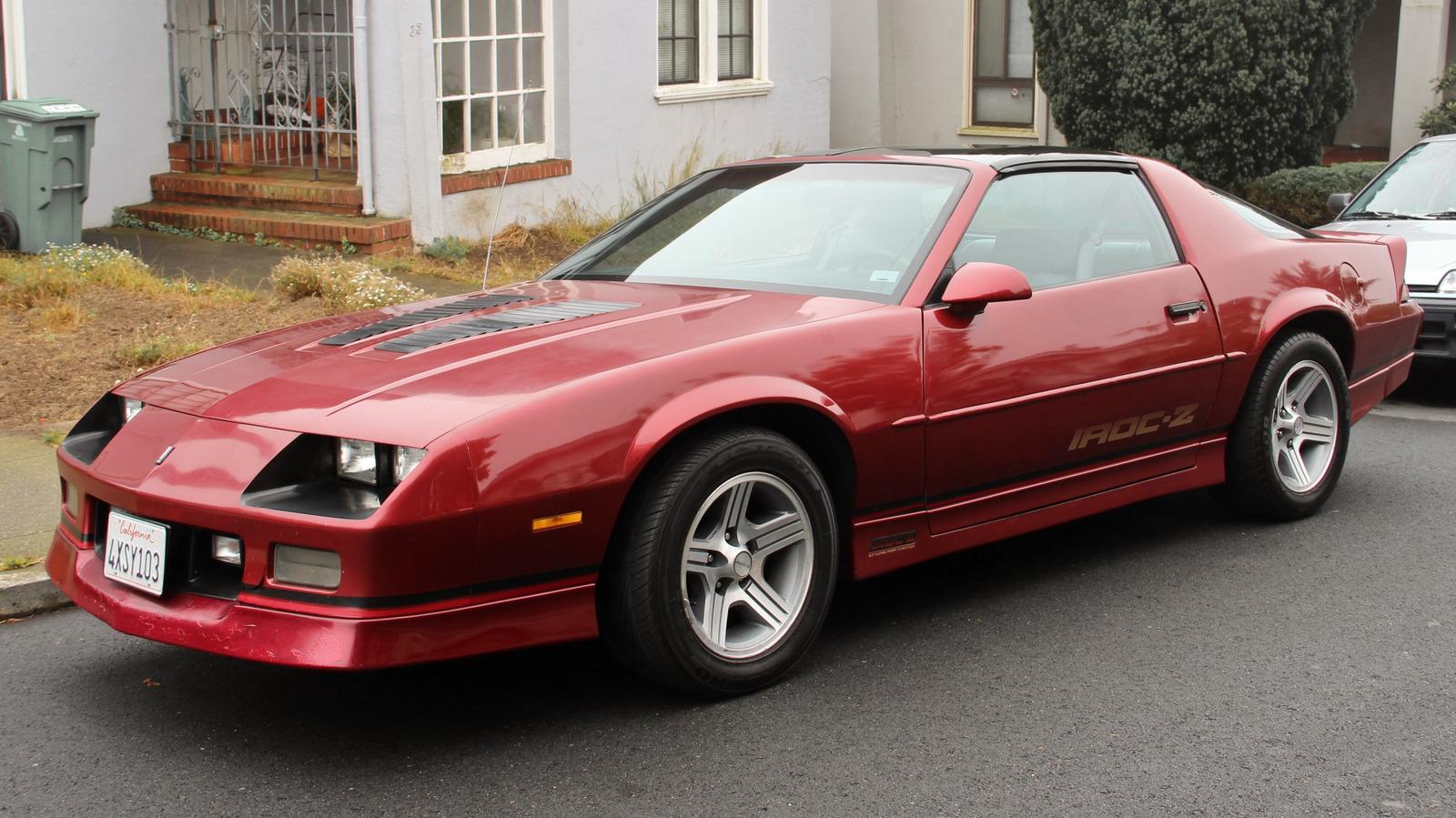
2026 Chevy Camaro IROC-Z: Why This ’80s Icon Is Reclaiming The Muscle Car Throne
Image: 2026 Chevy Camaro IROC-Z: Why This ’80s Icon Is Reclaiming The Muscle Car Throne – Performance and Specifications
Advertisement
In the world of automotive legends, few names evoke as much nostalgia and raw ’80s energy as the Chevrolet Camaro IROC-Z. Originally launched in 1985 to celebrate the International Race of Champions, this car did more than just look fast—it effectively ended the ‘Malaise Era’ of strangled performance. As we move through 2026, the IROC-Z has transitioned from a used-car bargain to a blue-chip collectible. With pristine examples now fetching between $45,000 and $85,000 at auction, the ‘mullet-machine’ has officially gained elite status.
The hook? In an era dominated by silent electric vehicles and complex hybrids, the IROC-Z offers a visceral, analog experience that modern cars can’t replicate. It was the spark that ignited the modern horsepower wars, delivering the first real punch of performance after a decade of smog-choked engines. Whether you are a Gen-Xer reliving your youth or a Gen-Z enthusiast looking for ‘Radwood’ cool, the IROC-Z is the ultimate 2026 statement piece.
Advertisement
Design: The Quintessential ’80s Aesthetic
The IROC-Z was a masterclass in aerodynamics and ’80s swagger. Featuring a lowered ride height compared to the standard Z28, it boasted a unique front air dam, side skirts, and those iconic 16-inch 5-spoke aluminum wheels. In 2026, these design cues are being mirrored in modern ‘retro-futurism’ builds. The ‘basket-handle’ rear spoiler and the ‘IROC-Z’ door decals remain some of the most recognizable branding in automotive history.
The LB9 and L98: The Heart of the Beast
Under the hood, the 1985-1990 IROC-Zs were defined by their Tuned Port Injection (TPI) V8 engines. The 5.0L LB9 was the initial hero, but the 5.7L L98 (introduced later) pushed the car into the 230+ hp territory. While those numbers seem modest compared to a 2026 Corvette, the 330 lb-ft of torque provided the low-end grunt that defined the American V8 experience.
Suspension and Handling: More Than Just Straight Lines
Unlike many of its predecessors, the IROC-Z was designed to turn. It featured a specially tuned suspension with Delco-Bilstein shocks, larger diameter sway bars, and a ‘Wonderbar’ steering box brace. On 2026 canyon runs, a well-maintained IROC-Z still holds its own, offering a level of mechanical grip that surprised the European imports of its time.
Advertisement
Interior Tech: Analog Simplicity in a Digital World
Step inside, and you’re greeted by a cockpit that screams 1985. From the square dash layout to the optional Lear Siegler manually adjustable contour seats, the interior is a time capsule. While it lacks the touchscreens of 2026, enthusiasts are now retrofitting these cabins with ‘hidden’ Bluetooth systems and digital gauges that retain the period-correct look.
Collector Value and Market Trends
Data from 2026 shows that the ‘G92’ performance package models are the most sought after. These units came with better gear ratios, four-wheel disc brakes, and an engine oil cooler. If you’re looking to invest, the 1985-1990 model years are currently seeing a 12% year-over-year value increase.
2026 Performance Comparison: IROC-Z vs. Modern Rivals
How does a classic stack up against the best of 2026? We compare the IROC-Z (L98) against the current 2026 Ford Mustang GT and the Dodge Charger Daytona EV.
Advertisement
| Feature | 1990 Camaro IROC-Z | 2026 Ford Mustang GT | 2026 Dodge Charger EV |
|---|---|---|---|
| Engine/Powertrain | 5.7L TPI V8 | 5.0L Coyote V8 | Dual-Motor Electric |
| Horsepower | 245 hp | 486 hp | 496 hp |
| 0-60 MPH | 5.8 Seconds | 4.2 Seconds | 4.7 Seconds |
| Transmission | 4-Speed Auto | 6-Speed Manual / 10-Speed Auto | Single-Speed Direct Drive |
| Curp Weight | 3,350 lbs | 3,820 lbs | 5,800 lbs |
Full Technical Specifications: 1985-1990 IROC-Z
| Specification | Details |
|---|---|
| Engine Type | V8, Long-block, Cast Iron |
| Displacement | 5.0L (305 ci) / 5.7L (350 ci) |
| Compression Ratio | 9.3:1 |
| Braking System | Power-assisted Front Disc / Rear Drum (Disc Optional) |
| Wheelbase | 101 inches |
| Safety Rating | N/A (Pre-Modern NCAP era) |
Variant-Wise Pricing (2026 Collector Market)
| Condition Grade | Estimated Price (Ex-Showroom Equivalent) |
|---|---|
| Concours (Grade 1) | $75,000 – $95,000 |
| Excellent (Grade 2) | $45,000 – $60,000 |
| Good (Grade 3) | $25,000 – $35,000 |
| Fair (Project Car) | $10,000 – $18,000 |
People Also Ask (FAQ)
- What does IROC stand for? It stands for International Race of Champions.
- Is the Chevy Camaro IROC-Z a good investment in 2026? Yes, prices have been steadily rising as Gen-X collectors enter the market.
- What is the fastest IROC-Z ever made? The 1990 5.7L L98 models are generally considered the quickest.
- Can you daily drive an IROC-Z in 2026? It’s possible, but parts like interior plastics are becoming rare and brittle.
- Did the IROC-Z come in a manual? Only the 5.0L LB9 engines could be paired with a 5-speed manual; the 5.7L was auto-only.
- What are the most common problems? T-top leaks, cracked dash pads, and failing fuel injectors are common cons.
- How many IROC-Zs were made? Approximately 180,000 units across the 5-year production run.
- What is the G92 package? It is the ‘Performance Axle’ package that included many track-oriented upgrades.
- Does it have airbags? Driver-side airbags were only introduced in the final 1990 model year.
- Is there a 2026 Camaro IROC-Z? There are strong rumors of a 2026 ‘Heritage Edition’ EV, but no official confirmation yet.
Verdict: Should You Buy an IROC-Z in 2026?
The IROC-Z is no longer just a car; it’s a cultural artifact. If you value raw feedback, iconic styling, and a vehicle that turns heads more than a $100k Tesla, then the answer is a resounding YES. However, buyers must be wary of ‘clones’ and poorly maintained rust-buckets.
Pros:
- Unbeatable ’80s presence and styling.
- Torquey V8 performance that still feels punchy.
- Strong community support and rising resale value.
Cons:
Advertisement
- Interior quality is subpar by 2026 standards (rattles and plastics).
- The 4-speed automatic feels dated compared to modern gearboxes.
- Fuel economy is poor by modern standards.