The Truth About Auto Start-Stop Technology in 2026
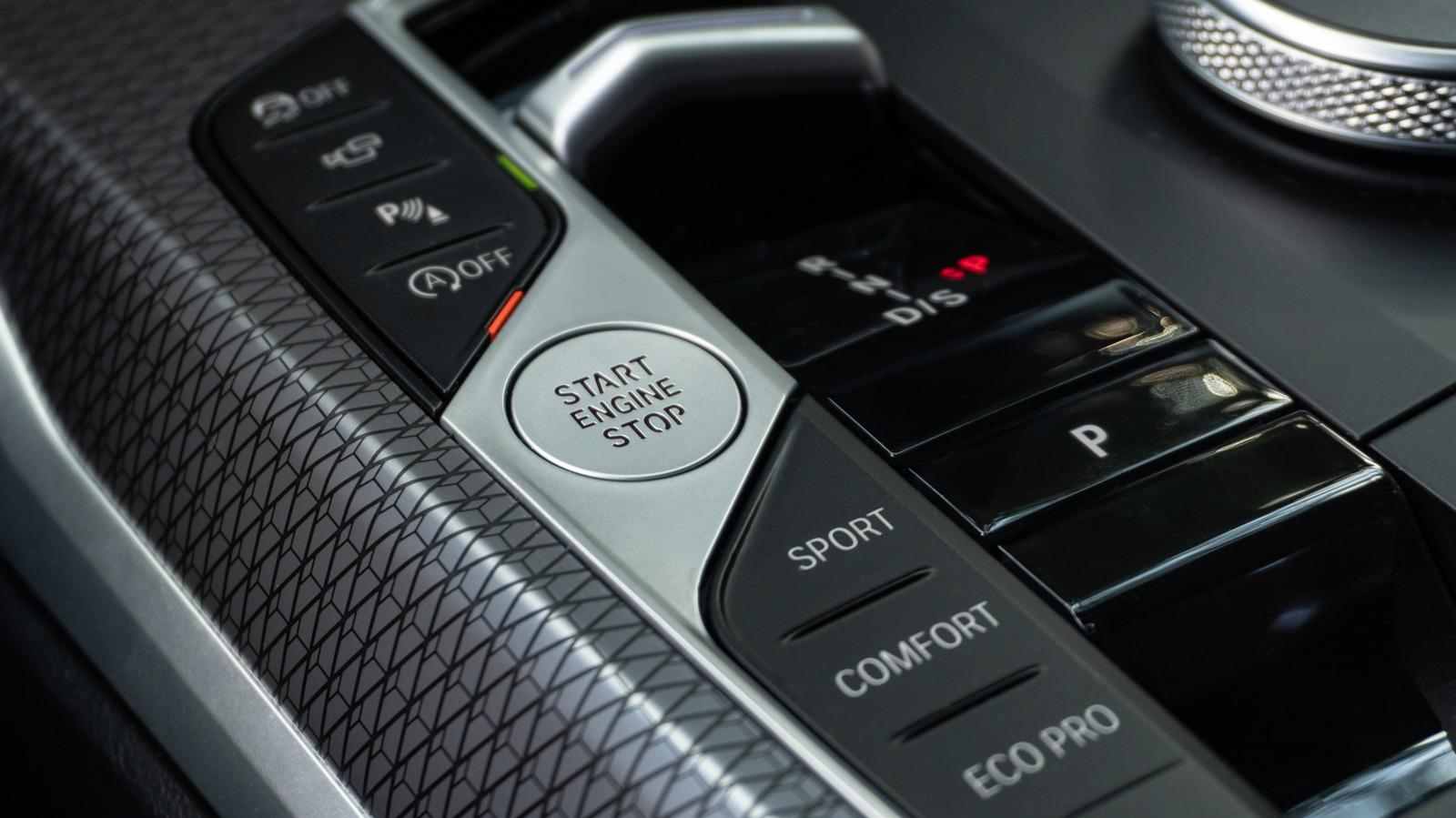
How 2026 Auto Start-Stop Systems Prevent Engine Wear: The Ultimate Guide for Indian Car Owners
Image: How 2026 Auto Start-Stop Systems Prevent Engine Wear: The Ultimate Guide for Indian Car Owners – Performance and Specifications
Advertisement
It is a common sight at Indian traffic signals: the engine cuts out the moment you shift to neutral or hold the brake, only to roar back to life the second you touch the clutch or throttle. As fuel prices hover near the ₹110 mark in 2026, Auto Start-Stop (or Idle Stop-Go) has transitioned from a luxury feature to a mandatory fuel-saving tool. But the burning question remains: Does this constant cranking destroy your engine?
While early systems were criticized for being intrusive and jerky, 2026 models from manufacturers like Maruti Suzuki, Hyundai, and Mahindra have perfected the art of the ‘invisible restart.’ By integrating 48V mild-hybrid systems and AI-driven predictive logic, automakers have mitigated the wear-and-tear risks that plagued older generations. If you are worried about your starter motor dying or your pistons grinding, rest assured—the engineering behind modern start-stop is more robust than ever.
Advertisement
How Automakers Tackle Wear and Tear: The Engineering Secrets
To understand how your car survives thousands of extra start cycles, we need to look at the specialized hardware that differentiates a start-stop equipped car from a traditional one. In 2026, the ‘Standard Starter’ is a thing of the past.
1. Reinforced Starter Motors and Heavy-Duty Solenoids
A conventional starter motor is designed for roughly 25,000 to 50,000 cycles. However, a car in heavy Bengaluru or Mumbai traffic might encounter that many starts in just a few years. Modern 2026 systems use high-performance starter motors equipped with dual-layer brushes and strengthened gear filaments. These are rated for over 250,000 to 300,000 cycles—essentially the entire lifespan of the vehicle.
2. Advanced Battery Tech: AGM and EFB Systems
Your standard lead-acid battery would collapse under the strain of frequent restarting. Today’s vehicles utilize Absorbent Glass Mat (AGM) or Enhanced Flooded Batteries (EFB). These batteries are designed to handle deep discharge cycles and rapid recharging. More importantly, in 2026, the 12V system is often supported by a 48V Lithium-ion pack, which handles the heavy lifting of restarting the engine, leaving the lead-acid battery to power the infotainment and lights.
Advertisement
3. Electric Oil Pumps and Polymer-Coated Bearings
The biggest concern with engine ‘stops’ is the loss of oil pressure. When the engine stops, oil drains back into the sump, potentially leaving metal components to rub against each other during the next start. Automakers have solved this by installing electric oil pumps that maintain pressure even when the engine is off. Additionally, engine bearings are now coated with low-friction polymers (like polyamide) that provide a ‘dry’ lubrication layer, preventing metal-on-metal contact during those micro-seconds before oil flows.
4. AI-Predictive Restart Logic
In 2026, cars are smarter. Using front-facing cameras and GPS data, the Auto Start-Stop system knows if you are at a red light or just pausing for a second at a ‘Stop’ sign. If the AI detects that traffic is about to move, it keeps the engine running to avoid an unnecessary power cycle. This ‘Predictive Idle Control’ significantly reduces the number of starts per journey.
5. Voltage Stabilization and Comfort Control
One major user complaint was the AC cutting out. Modern systems now use ‘Thermal Storage’ evaporators or electric AC compressors. Even when the engine is dead, the cabin stays at a crisp 22 degrees for up to 90 seconds, ensuring that fuel saving doesn’t come at the cost of comfort in the Indian summer.
Advertisement
Comparing Start-Stop Implementation: 2026 Rivals
How do the leading manufacturers compare in their approach to idle-stop technology? Below is a comparison of the implementation in the three most popular segments in India.
| Feature | Maruti Suzuki (Smart Hybrid) | Hyundai/Kia (ISG + 48V) | Toyota (Strong Hybrid) |
|---|---|---|---|
| System Type | Mild Hybrid (ISG) | Mild Hybrid (48V) | Full Hybrid (HEV) |
| Restart Method | Belt-Driven Starter Generator | Integrated Starter Generator | Electric Motor (MG1) |
| Vibration Level | Moderate | Low | Near-Zero |
| Fuel Efficiency Gain | 7-10% | 12-15% | 35-45% |
| AC Performance | Standard (Engine Dependent) | Electric (Continuous) | Full Electric (Continuous) |
Technical Specifications: 2026 Start-Stop Components
For the geeks, here is what goes into a 2026-spec Auto Start-Stop system compared to a 2020-spec system.
| Component | 2020 Standard | 2026 Enhanced (Current) |
|---|---|---|
| Starter Cycle Rating | 50,000 Starts | 300,000+ Starts |
| Battery Type | Lead-Acid / EFB | AGM + 48V Lithium-Ion |
| Crank Time | 0.8 Seconds | 0.3 Seconds |
| Oil Pressure Support | None (Gravity drain) | Electric Auxiliary Oil Pump |
| Sensor Input | Brake/Clutch only | AI Camera + GPS + Radar |
Variant-Wise Implementation & Pricing (Estimated Ex-Showroom)
While start-stop is standard in many models, the sophistication of the system varies by trim level.
Advertisement
| Variant Tier | Tech Included | Typical Price Increase (Est) |
|---|---|---|
| Entry-Level (Base) | Basic ISG (Engine shuts off) | ₹0 (Standard) |
| Mid-Range (ZXi/S) | EFB Battery + Brake Energy Recovery | ₹15,000 – ₹20,000 |
| Top-End (Alpha/SX) | 48V Mild Hybrid + AI Predictive Stop | ₹50,000 – ₹70,000 |
People Also Ask (FAQ)
- Does auto start-stop drain the battery? No, 2026 cars use AGM batteries and 48V systems designed for high-frequency charging.
- Can I turn off the auto start-stop system? Yes, almost every car includes a physical or digital toggle to disable the feature for that drive cycle.
- Will it work if the AC is on full blast? The system will keep the engine running if the cabin temperature deviates too far from the set point.
- Does it wear out the engine bearings? No, modern bearings have polymer coatings and electric pumps to maintain lubrication.
- Is the restart jerky? In 2026 48V systems, the restart is almost imperceptible compared to older 12V systems.
- How much fuel does it actually save? On average, 5-15% depending on traffic density.
- What happens if the battery is low? The system automatically disables the ‘Stop’ function to prioritize charging.
- Is start-stop expensive to maintain? The only extra cost is the AGM battery, which is roughly 40% more expensive than a standard battery.
- Does it work in neutral or gear? In manuals, it works in neutral. In automatics, it works when the brake is depressed at a full stop.
- Will it damage the turbocharger? No, electric coolant pumps continue to run to cool the turbo even when the engine stops.
Verdict: Is Auto Start-Stop Worth It in 2026?
The short answer is Yes. The engineering fears of the past—worn starters and dry-starts—have been solved by 2026’s advanced material science and 48V electrical architectures. While the initial cost of the vehicle might be slightly higher due to the specialized battery and motor, the fuel savings over 5 years easily outweigh the premium.
Pros:
- Significant fuel savings in bumper-to-bumper traffic.
- Reduced tailpipe emissions at signals.
- Better resale value as emissions norms tighten.
Cons:
Advertisement
- Higher replacement cost for AGM batteries.
- Minor vibrations in base-spec 12V systems.
- Slight learning curve for smooth modulation.