Imagine pulling up to a high-end pump in Manhattan, paying a premium price of $5.50 per gallon for 93-octane fuel, only to realize your high-performance engine is actually gulping down low-grade 87-octane swill. This isn’t a conspiracy theory; it is a documented reality. Between mid-2023 and mid-2025, New York City inspectors conducted a massive sweep of 729 gas stations, and the results were nothing short of catastrophic for consumer trust. A staggering 702 stations—roughly 96%—failed inspections for octane accuracy, mid-grade blending, or deceptive signage.
The Great Octane Robbery: How NYC Stations Deceived Millions
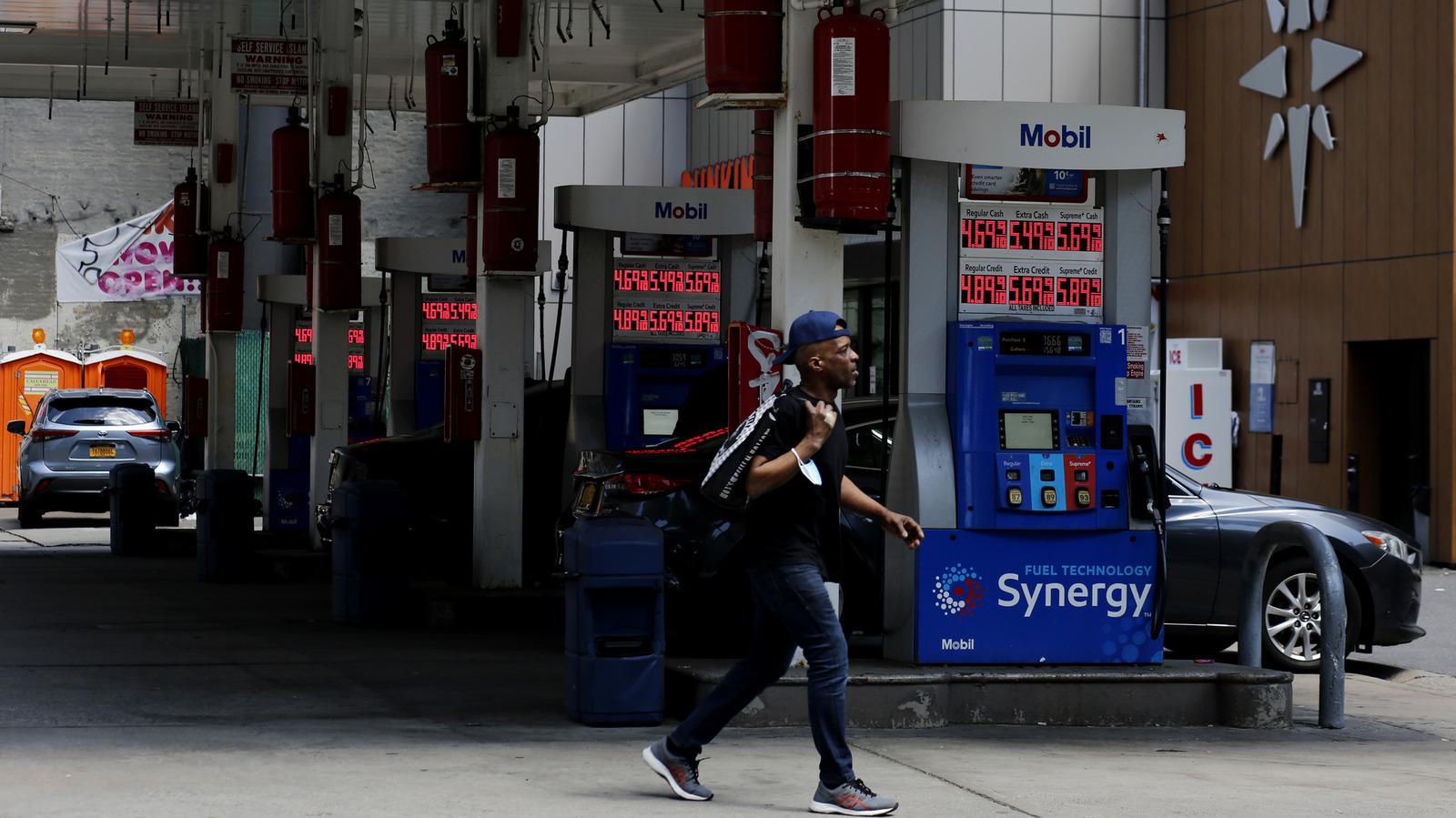
96% Of NYC Gas Stations Caught Lying About Octane Levels: 2026 Fuel Quality Scandal Explained
Advertisement
Image: 96% Of NYC Gas Stations Caught Lying About Octane Levels: 2026 Fuel Quality Scandal Explained – Performance and Specifications
The scale of the fraud uncovered by the NYC Department of Consumer and Worker Protection (DCWP) has sent shockwaves through the automotive world. As we move into 2026, the legal and mechanical fallout is only beginning to be understood. For the average driver, the cost isn’t just the $0.60 to $1.00 extra per gallon paid for ‘Premium’ fuel; it is the long-term degradation of sophisticated modern engines designed for high-compression ratios.
Advertisement
The Investigation Mechanics: 2023-2025 Data
The inspection data reveals that the vast majority of failures weren’t just clerical errors. Inspectors found that fuel samples labeled as 91 or 93 octane frequently tested at significantly lower levels. In many cases, the ‘Mid-grade’ 89-octane fuel was simply the same 87-octane ‘Regular’ fuel sold at a higher price point. The inspectors utilized specialized portable octane testers and followed up with laboratory analysis to confirm the discrepancies.
Why Octane Matters: Performance and Engine Health
Octane is a measure of a fuel’s ability to resist ‘knocking’ or ‘pinging’ during combustion. When a high-performance vehicle requires 91+ octane, it is because the engine’s computer timing and compression are tuned for that specific stability. Using lower octane fuel causes the fuel to ignite prematurely under pressure. While modern cars have ‘knock sensors’ that can retard the ignition timing to prevent immediate engine failure, this leads to a significant drop in horsepower, decreased fuel economy, and increased carbon buildup over time.
Comparative Analysis: Premium vs. Regular Fuel Standards in 2026
To understand the depth of the deception, we must look at what consumers are actually paying for versus what they are receiving. The following table highlights the technical requirements of fuel grades that were frequently bypassed in the NYC scandal.
Advertisement
| Fuel Metric | Regular (87 Octane) | Mid-Grade (89 Octane) | Premium (91-93 Octane) |
|---|---|---|---|
| Anti-Knock Index (AKI) | 87 min | 89 min | 91-93 min |
| Compression Ratio Suitability | 8.0:1 to 10.0:1 | 10.0:1 to 11.0:1 | 11.0:1 and Above |
| Detergent Additive Level | Standard (EPA Min) | Varies by Brand | High (Top Tier) |
| Engine Compatibility | Economy/Naturally Aspirated | Turbocharged (Moderate) | Turbo/Supercharged/High-Comp |
| NYC Failure Rate (2025) | Lower | Highest (Often 87) | Moderate to High |
The Economic Impact: Variant-Wise Price Discrepancies
In 2026, gas prices have remained volatile. The ‘upsell’ to premium fuel is where gas station owners see their highest margins. By selling 87-octane fuel at 93-octane prices, a station can illegally increase its profit by thousands of dollars per day. Below is a breakdown of the typical price gap being exploited by fraudulent stations.
| Fuel Grade | Average NYC Price (2026) | Real Cost to Station | Fraudulent Profit (Per Gal) |
|---|---|---|---|
| Regular (87) | $3.85 | $3.10 | $0.75 (Legal) |
| Mid-Grade (89) | $4.45 | $3.10 (If Fake) | $1.35 (Illegal) |
| Premium (91) | $5.10 | $3.10 (If Fake) | $2.00 (Illegal) |
| Super Premium (93) | $5.65 | $3.10 (If Fake) | $2.55 (Illegal) |
2026 Safety and Regulatory Updates
Following the 96% failure rate report, New York City has introduced the ‘Fuel Integrity and Transparency Act of 2026’. This new legislation mandates real-time digital octane monitoring at the pump. Stations are now required to display a QR code on every pump that links to the most recent inspection report and the laboratory results of the current batch of fuel stored in their underground tanks.
User Feedback: What Drivers Are Saying
On automotive forums like Bimmerpost and Reddit, NYC drivers have been vocal about their experiences. Pros: Some users noted that stations branded as ‘Top Tier’ (Shell, Mobil, Chevron) had a slightly better (though still poor) compliance rate compared to unbranded independent stations. Cons: Thousands of reports of ‘check engine’ lights, reduced MPG, and mysterious engine hesitation have been linked to the ‘bad gas’ epidemic in the Tri-State area.
Advertisement
Signs Your Car is Running on Substandard Fuel
- Engine Pinging: A metallic tapping or rattling noise during acceleration.
- Reduced Power: The car feels sluggish or heavy, especially when merging onto highways.
- Poor Fuel Economy: A sudden drop of 3-5 MPG without a change in driving habits.
- Rough Idle: The car vibrates or feels unstable when stopped at a light.
People Also Ask (FAQ)
- Which gas stations are most reliable in NYC? According to the 2025 audit, ‘Top Tier’ certified stations generally performed better, though no brand was immune.
- Can low octane fuel damage my engine? Yes, it can lead to pre-ignition, which can damage pistons and spark plugs over time.
- How do I report a gas station for fraud? In NYC, you can call 311 or file a complaint online with the DCWP.
- Does 93 octane give you more horsepower? Only if your engine is specifically tuned to require it.
- Is ‘Top Tier’ gas a marketing gimmick? No, it contains higher levels of detergents that keep engine valves clean.
- Can I mix 87 and 93 octane? Yes, it creates a mid-grade blend (e.g., 90 octane), provided the fuels are actually at their rated levels.
- Why is 93 octane so expensive in NYC? Due to high taxes, delivery costs, and high station overhead.
- Will the 2026 regulations lower gas prices? Unlikely, as compliance costs for stations may be passed to consumers.
- How often are gas pumps inspected? NYC aims for annual inspections, though the 2023-2025 sweep was a special enforcement action.
- Does ethanol affect octane? Yes, ethanol has a high octane rating (about 108), but it contains less energy per gallon than pure gasoline.
Verdict: Should You Buy Premium Gas in NYC?
Given that 96% of stations failed inspections, the verdict is a cautious ‘Trust but Verify.’ If your car requires 91 or 93 octane, you should stick to reputable, high-volume stations that carry Top Tier certification. Avoid ‘no-name’ stations where prices seem too good to be true, as they are the most likely to be selling mislabeled fuel.
Pros: Increased engine longevity (if fuel is real), better cleaning additives, optimized performance.
Cons: Extreme price gouging, 96% chance of receiving lower grade fuel than advertised, potential for long-term engine knock.
Advertisement