Ford’s DFV Engine: How a £100k Bet Won F1 Glory
Bottom line: In 1967 Ford funded the Cosworth DFV for just £100,000, and the engine went on to claim 155 Grand Prix victories, 12 drivers’ championships and 10 constructors’ titles – the best value ever in Formula 1.
Advertisement
Ford’s DFV Engine: How a £100k Bet Won F1 Glory
Image: Ford’s DFV Engine: How a £100k Bet Won F1 Glory – Performance Comparison and Specifications
Advertisement

Design & Development
Lotus boss Colin Chapman needed a new powerplant after Coventry Climax stepped back. Engineer Keith Duckworth, fresh from starting Cosworth, convinced Ford’s PR chief Walter Hayes that a 3‑litre V8 could be built for just £100k. Ford agreed, and the Double Four Valve (DFV) was born – a compact, lightweight V8 with four valves per cylinder and a flat‑plane crank.
- Aluminium block and heads for low weight
- Four valves per cylinder for better breathing
- Designed as a stressed‑member chassis component
- Simple, robust construction that private teams could maintain
Performance & Dominance
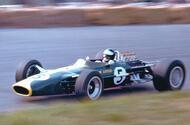
The DFV debuted at the 1967 Dutch Grand Prix, with Jim Clark winning on debut. Its 400‑hp output was competitive from day one, and because the engine could be mounted directly to the car’s monocoque, teams saved weight and improved handling.
Advertisement
From 1969 to 1973 the DFV powered every race winner. Even as turbocharged rivals arrived in the 1980s, the naturally aspirated V8 held on until Michele Alboreto’s 1983 Detroit win. In total the DFV logged 155 race victories, 12 drivers’ titles (including legends like Jackie Stewart and Niki Lauda) and 10 constructors’ championships.
Price, Value & Legacy
Ford’s £100k outlay bought an engine that cost privateers a fraction of what factory units demanded. The DFV’s affordability let small teams like Tyrrell, McLaren and Lotus compete with giants, reshaping the sport’s economics.
| Engine | Power (hp) | Price (approx.) | Top Features |
|---|---|---|---|
| Cosworth DFV 3.0 L V8 | 400‑425 | ~£100,000 (1970s) |
|
FAQ
- What made the DFV so successful? Its lightweight aluminium design, four‑valve head, and ability to serve as a chassis member gave teams speed and simplicity.
- How many championships did the DFV win? The engine powered 12 drivers’ titles and 10 constructors’ championships.
- Is the DFV still relevant today? While turbo‑era engines replaced it, the DFV’s cost‑effective formula still influences modern customer‑engine programmes.
What do you think about Ford’s historic gamble? Share your thoughts in the comments below!
Advertisement
Source: Read Official News