Indian EV Market Analysis: February 2026 Trends
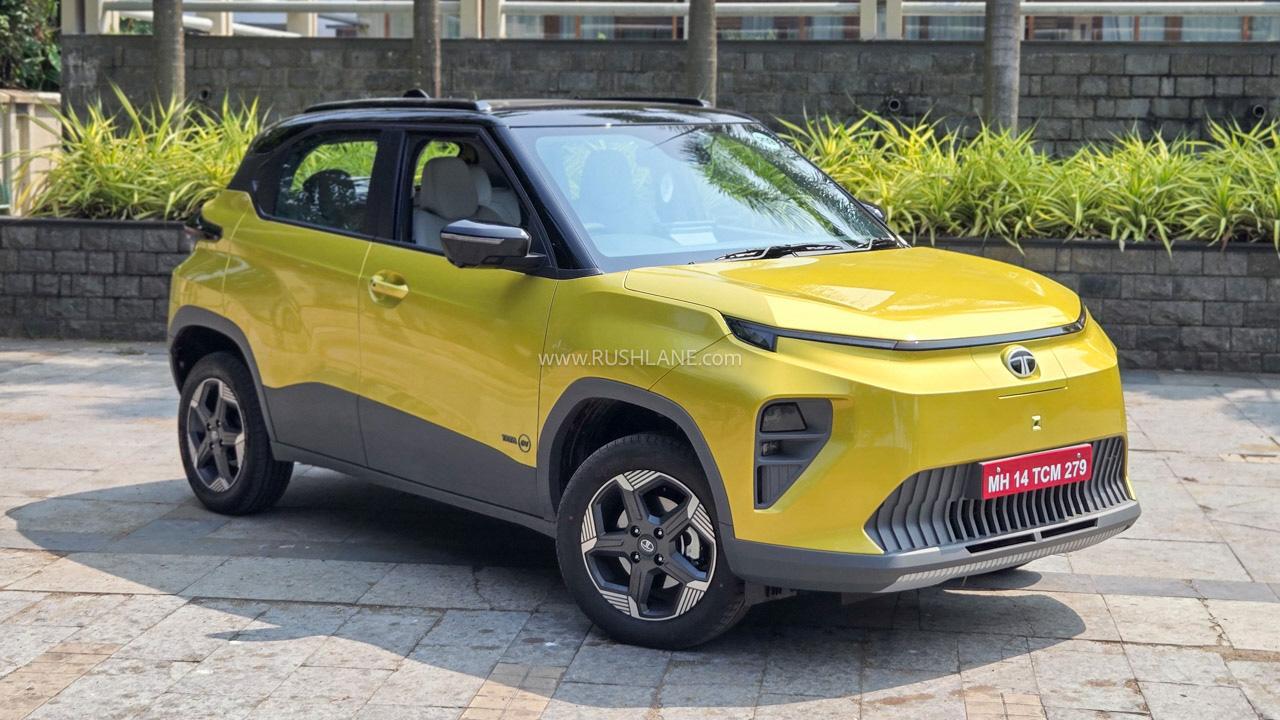
Electric Car Sales Feb 2026: Tata, Maruti, and Tesla Drive the Green Revolution
Image: Electric Car Sales Feb 2026: Tata, Maruti, and Tesla Drive the Green Revolution – Performance and Specifications
Advertisement
The Indian automotive landscape has hit a pivotal milestone in February 2026. Despite a slight sequential decline in volume compared to the record-breaking January sales, the Year-on-Year (YoY) growth remains exceptionally robust. The retail market for Electric Vehicles (EVs) is no longer a niche curiosity; it is now a mainstream force driven by the arrival of Maruti Suzuki’s eVX, the expansion of Mahindra’s XEV lineup, and the official entry of Tesla and Vinfast into the domestic market. For those looking to make the switch, current prices for the mass market range from ₹7.99 Lakh for entry-level hatchbacks to ₹1.5 Crore for flagship performance EVs.
Manufacturer-Wise Performance Breakdown
February 2026 saw a total of approximately 18,500 electric passenger vehicles registered, representing a 35% growth compared to February 2025. While January usually benefits from year-end stock clearances and new-year resolutions, February’s dip is seen by analysts as a ‘market stabilization’ phase rather than a loss of momentum.
Advertisement
Tata Motors: The Undisputed King
Tata Motors continues to dominate with a market share of nearly 60%. The success of the 2026 Punch.ev and the long-range Curvv.ev has allowed Tata to maintain its lead. Buyers praise the Pros: robust build quality and extensive charging network. However, Cons: reported by users include occasional software glitches in the infotainment system and inconsistent service experiences in Tier-2 cities.
Maruti Suzuki & Toyota: The New Challengers
The Maruti eVX has officially become the second best-selling electric SUV in India within months of its launch. Its competitive pricing and the trust of the Maruti brand have lured thousands of traditional ICE owners toward battery power. The eVX offers a real-world range of nearly 420 km, making it a viable primary vehicle for Indian families.
Mahindra Electric: The Rise of the XEV Brand
Mahindra’s ‘Born Electric’ platform is finally paying dividends. The XEV 9e and BE 6e models have seen high traction in urban centers like Bengaluru and Delhi. Users love the futuristic design and the ‘frunk’ storage space, though some have complained about the wait times exceeding four months for top-spec variants.
Advertisement
Tesla & Vinfast: The Global Disruption
Tesla’s Model 3 and Model Y, now locally assembled in India, have disrupted the luxury-lite segment. Meanwhile, Vietnam’s Vinfast has carved a niche with its battery-as-a-service model, significantly lowering the upfront cost for buyers. Tesla remains the gold standard for Autopilot features, while Vinfast is winning hearts with its 10-year warranty package.
Luxury EV Segment: BMW vs. Mercedes-Benz
In the high-end segment, BMW’s i4 and iX models have outsold the Mercedes EQ series this month. BMW’s focus on ‘Sheer Driving Pleasure’ even in electric form appeals to the enthusiast, whereas Mercedes is focusing on ‘Ultra-Luxury’ with the EQS SUV.
Comparing the 2026 High-Voltage Rivals
To help you decide, we have compared the three most popular mid-size electric SUVs currently dominating the Indian roads.
Advertisement
| Feature | Maruti Suzuki eVX | Tata Curvv.ev | MG ZS EV (2026 Edition) |
|---|---|---|---|
| Battery Pack | 60 kWh | 55 kWh | 50.3 kWh |
| Range (Claimed) | 550 km | 502 km | 461 km |
| Drivetrain | AWD/FWD | FWD | FWD |
| Ground Clearance | 190 mm | 190 mm | 177 mm |
| ADAS Level | Level 2 | Level 2 | Level 2+ |
Technical Specifications & Pricing
For those diving deep into the data, here are the full technical specifications of the current market leaders as of February 2026.
| Model | Max Power (PS) | Max Torque (Nm) | 0-100 km/h | Charging Time (DC Fast) |
|---|---|---|---|---|
| Tata Nexon.ev | 145 | 215 | 8.9s | 56 mins |
| Maruti eVX | 170 | 250 | 7.5s | 45 mins |
| Tesla Model 3 | 283 | 420 | 5.8s | 25 mins |
| BYD Atto 3 | 204 | 310 | 7.3s | 50 mins |
Below is the variant-wise pricing for the most searched models this month.
| Model Variant | Price (Ex-Showroom) | Target Audience |
|---|---|---|
| Tata Tiago.ev (MR) | ₹7,99,000 | City Commuters |
| Maruti eVX (VXI) | ₹18,50,000 | Family Buyers |
| Mahindra XEV 9e | ₹24,90,000 | Tech Enthusiasts |
| Tesla Model 3 (RWD) | ₹42,00,000 | Premium Buyers |
| BMW iX1 | ₹68,00,000 | Luxury Seekers |
Frequently Asked Questions (FAQ)
1. Which electric car has the highest range in India in 2026?
The Mercedes-Benz EQS currently holds the record with a certified range of 857 km, though the Tesla Model 3 Long Range is a close second in real-world highway driving.
Advertisement
2. Is the Maruti eVX better than the Tata Nexon.ev?
The eVX offers more interior space and a larger battery, but the Nexon.ev is more affordable and has a more established service network.
3. What are the subsidies available for EVs in 2026?
While FAME-II has concluded, many states still offer road tax waivers and registration fee exemptions for EVs priced under ₹25 Lakh.
4. How long does it take to charge an EV at home?
Using a standard 7.2kW AC wall box charger, most EVs take between 7 to 10 hours for a full charge.
Advertisement
5. Are EV batteries safe during Indian summers?
Yes, 2026 models feature advanced Active Liquid Cooling systems that prevent thermal runaway even in temperatures exceeding 48°C.
6. What is the battery life of a 2026 EV?
Most manufacturers now offer an 8-year or 1,60,000 km warranty, with batteries expected to retain 70-80% health after 10 years.
7. Can I drive an electric car through floods?
Most modern EVs have an IP67 rating for the battery and motor, allowing them to wade through water better than many ICE cars, though it is not recommended for deep floods.
Advertisement
8. Is Tesla officially selling in India now?
Yes, Tesla has established showrooms in Mumbai, Delhi, and Bengaluru as of late 2025.
9. What is the most affordable EV in India?
The MG Comet EV and Tata Tiago.ev remain the most affordable options, starting under ₹8 Lakh.
10. Does Vinfast offer a battery subscription?
Yes, Vinfast allows you to buy the car without the battery, reducing the price by up to ₹5 Lakh, and paying a monthly lease for the battery instead.
Advertisement
Final Verdict: Is 2026 the Year to Go Electric?
February 2026 has proven that the Indian EV market is maturing. We are seeing a shift from ‘early adopters’ to ‘mass-market buyers.’
Pros:
– Massive reduction in running costs (approx. ₹1/km).
– Much better performance and instant torque compared to petrol/diesel rivals.
– Increasing charging infrastructure along national highways.
Cons:
– High initial purchase price compared to hybrid or petrol cars.
– Resale value of EVs is still stabilizing and remains lower than Toyota or Maruti petrol cars.
– Public charging speeds can still be slow during peak hours.
Advertisement
Should you buy it? If your daily commute is over 40 km and you have a home charging point, 2026 is the perfect time to buy. With the entry of Maruti and Tesla, the competition has forced features up and prices down.