Meta description: Discover if a used Saab can be reliable, what maintenance it needs, and how its design, performance, and price compare to rivals. Learn practical tips, common issues, and a quick FAQ for a confident purchase.
Can a Used Saab Be Reliable? Yes, But It Takes Work
Advertisement
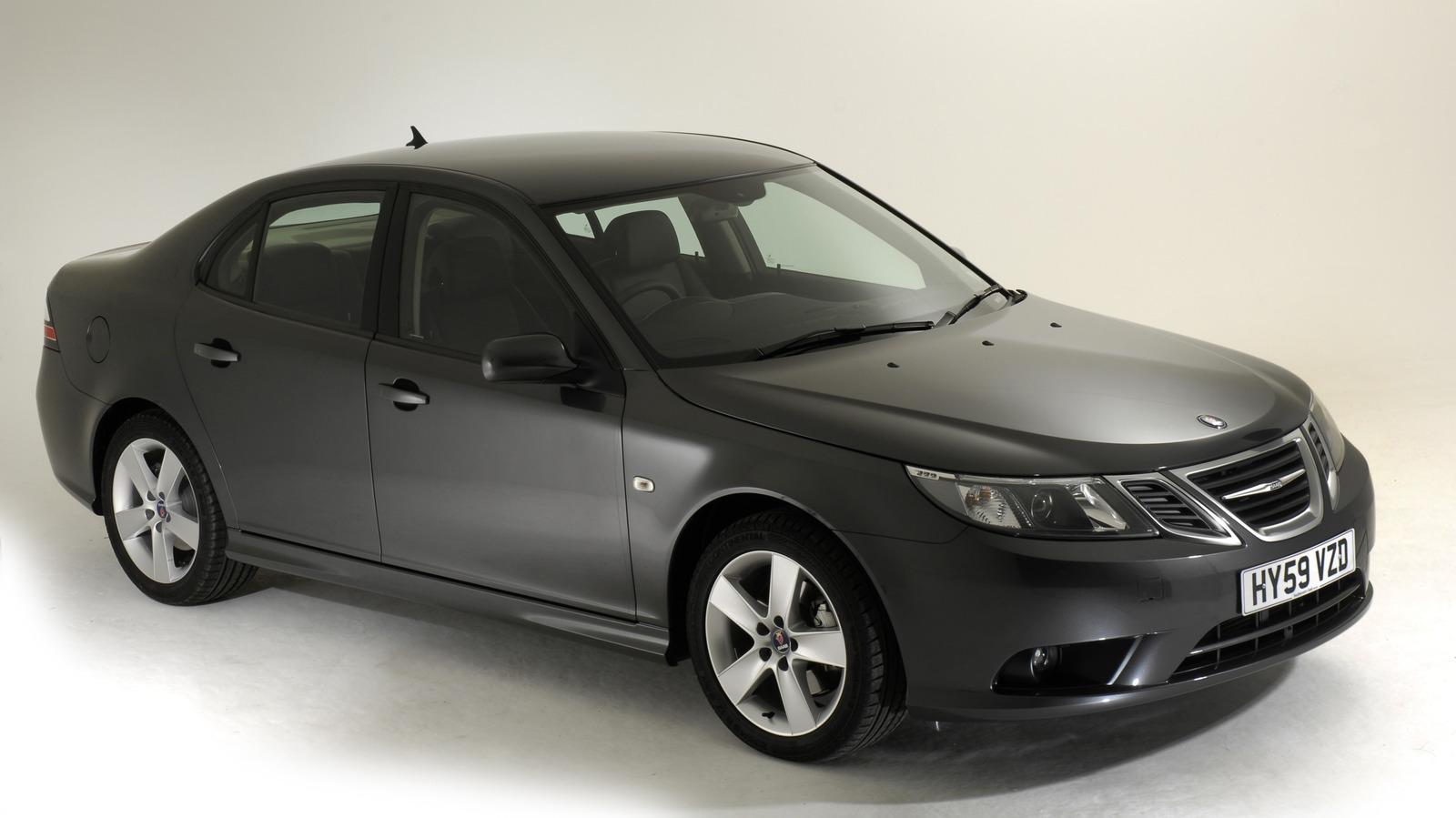
Image: Can a Used Saab Be Reliable? Yes, But It Takes Work – Performance Comparison and Specifications
Quick Summary
Saab stopped making cars over a decade ago, yet many drivers still love the brand. A used Saab can be reliable, but expect to invest time and money into upkeep. Knowing the common weak spots and budgeting for repairs makes the experience rewarding.
Advertisement
Design & Looks
Saabs stand out with their sleek, aerodynamic lines and distinctive “air‑flow” grille. The interior feels spacious, with a driver‑focused cockpit that many owners describe as “cockpit‑like.” Even older models retain a modern vibe, thanks to simple controls and high‑quality materials. If you appreciate a car that looks different from the typical sedan crowd, a Saab fits the bill.
Performance & Mileage
Most used Saabs are equipped with turbocharged four‑cylinder engines that deliver smooth power and decent fuel economy. Expect around 25‑30 mpg combined, depending on the model and driving style. The turbo can be a blessing and a curse: it provides lively acceleration, but neglecting regular oil changes can lead to costly turbo failure.
- Engine care: Change oil every 5,000 mi and use the recommended viscosity.
- Turbo health: Let the engine idle a minute after hard driving to cool the turbo.
- Transmission: Manual gearboxes are generally robust; automatic units may need fluid swaps every 40,000 mi.
Price & Rivals
Used Saabs usually range from $4,000 to $12,000 depending on age, mileage, and condition. Compared to similar European rivals like the Volvo S60 or BMW 3‑Series, Saabs are cheaper to buy but can cost a bit more in parts and specialist labor.
Advertisement
| Engine | Mileage | Price (USD) | Top Features |
|---|---|---|---|
| 2.0 L Turbo | 30,000‑70,000 mi | $6,500‑$9,500 | Turbo power, ergonomic cockpit, solid safety |
| 2.3 L Turbo | 45,000‑80,000 mi | $7,200‑$10,800 | More torque, leather seats, premium audio |
| 2.5 L Turbo | 50,000‑90,000 mi | $8,000‑$12,000 | Strong acceleration, all‑wheel drive option, advanced climate control |
Common Maintenance Challenges
Because Saab parts are no longer produced in‑house, sourcing components can be tricky. Here are the most frequent issues owners face:
- Electrical gremlins – especially with the ignition switch and instrument cluster.
- Clutch wear on manual models – replace before it starts slipping.
- Timing belt replacement – follow the manufacturer’s interval (usually 60,000 mi).
Joining Saab enthusiast forums can save you money; many members sell used parts at a fraction of dealer prices.
FAQ
- What is the typical mileage you can expect from a used Saab? Most well‑maintained Saabs achieve 25‑30 mpg combined, and with regular service they can comfortably exceed 150,000 mi.
- Is a used Saab worth buying compared to other European cars? If you love the unique design and are ready for modest upkeep, a Saab offers a lower purchase price and a distinctive driving feel versus a Volvo or BMW.
- How much should I budget for annual maintenance? Plan for $800‑$1,200 per year for oil changes, brake service, and occasional part replacements, especially if you’re not buying a recent model.
Final Thoughts
Buying a used Saab is a passion project more than a hands‑off purchase. With diligent maintenance and realistic expectations, you’ll enjoy a reliable, character‑rich vehicle that stands out on the road. Ready to give a Saab a second life?
Advertisement
Leave a comment below sharing your Saab story or questions—you might help the next buyer!
Source: Read Official News
Advertisement