The 2026 Reality: Is Saab Still a Smart Used Buy?
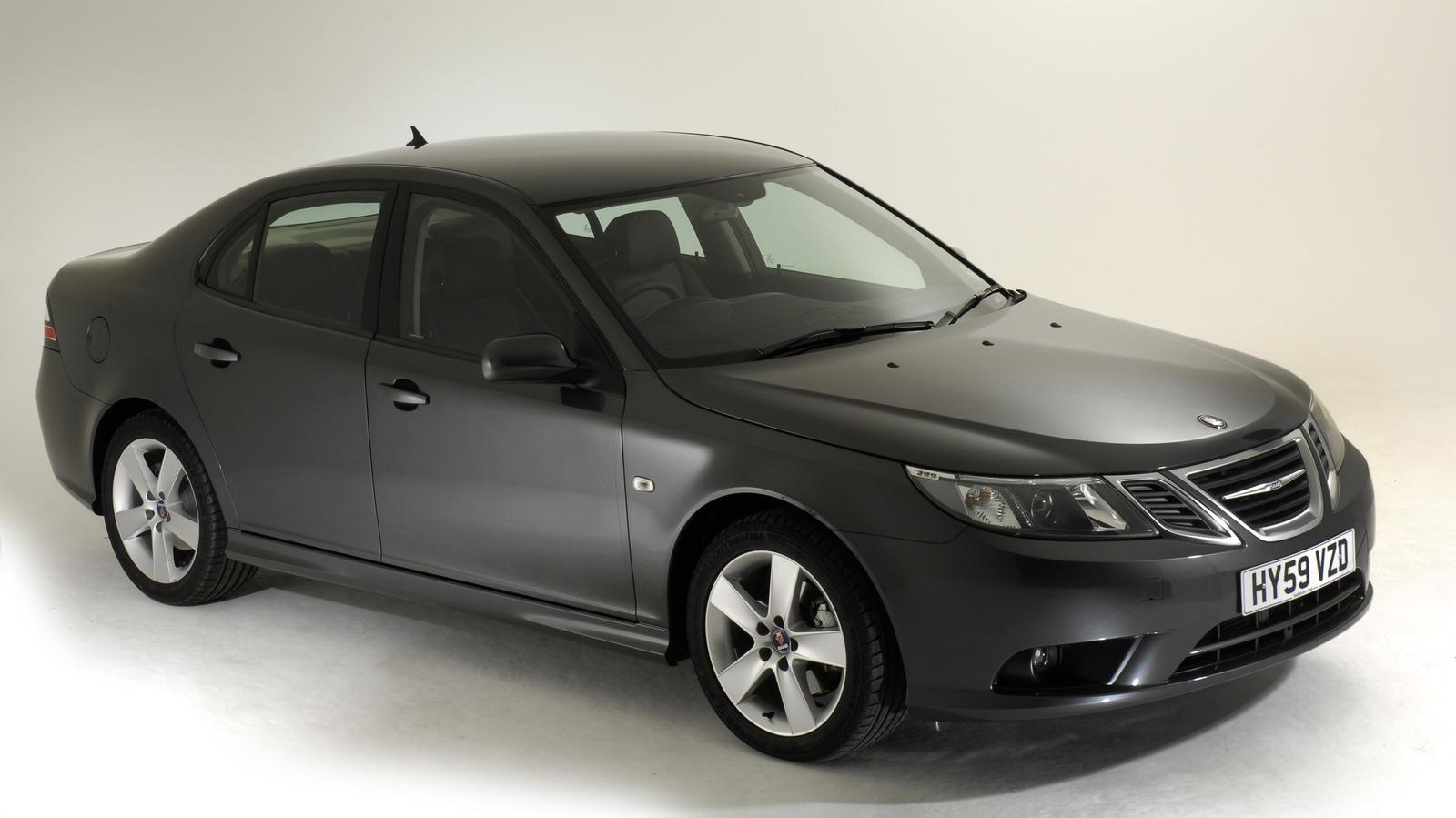
2026 Saab Buying Guide: Is a Used Swedish Icon Still Reliable Today?
Image: 2026 Saab Buying Guide: Is a Used Swedish Icon Still Reliable Today? – Performance and Specifications
Advertisement
In the world of automotive enthusiasts, few brands evoke as much passion—and as much caution—as Saab. It has been well over a decade since the last production car rolled off the line in Trollhättan, yet in 2026, the ‘Born from Jets’ ethos continues to draw buyers. Whether you are looking at a sleek 9-3 Aero or a stately 9-5 Griffin, the entry price is tempting, often ranging from $4,500 to $18,000 depending on the mileage and condition. But the question remains: Can a used Saab be reliable? The short answer is yes, but it requires a specific mindset, a dedicated toolkit, and a deep understanding of the Swedish-GM hybrid engineering.
The Design Language: Timeless Aerodynamics
Even by 2026 standards, a Saab does not look ‘old.’ The wrap-around windshields, minimalist lines, and the iconic ‘hockey stick’ C-pillar design remain distinct in a sea of aggressive, modern grilles. Saabs were designed with aerodynamics at the forefront, which not only helps with fuel efficiency but also keeps wind noise to a minimum. The interior remains a masterclass in ergonomics, featuring the driver-focused ‘cockpit’ layout and the legendary Night Panel button, which dims all non-essential dashboard lighting for better nocturnal vision.
Advertisement
Performance and the Turbocharged Legacy
Saab was a pioneer in mass-market turbocharging. In 2026, many of these engines, particularly the B207 and B235 series, are praised for their tuning potential. However, they require meticulous maintenance. The ‘Trionic’ engine management system is highly sophisticated, providing smooth power delivery but also necessitating high-quality spark plugs and specific fluids. If you find a well-maintained 2.8L V6 Aero, you are looking at a sleeper that can still humble modern entry-level sports sedans.
The 2026 Parts Landscape and Maintenance Strategy
The biggest concern for any potential Saab owner in 2026 is parts availability. Fortunately, Orio (now Hedin Parts) continues to provide original equipment for the most critical components. While body panels and interior trim pieces are becoming harder to source—often requiring a ‘parts car’ or a trip to a specialist breaker—mechanical components like water pumps, sensors, and suspension parts remain widely available through specialized vendors.
Safety Standards: Do They Still Hold Up?
Saab was often ahead of its time regarding safety. Features like active head restraints (SAHR) and reinforced pillars allowed these cars to achieve 5-star NCAP ratings in their era. While they lack the advanced ADAS (Advanced Driver Assistance Systems) found in 2026 models, their structural integrity remains superior to many budget-oriented used cars currently on the market. For those prioritizing physical crash protection over lane-keep assist, a Saab is a fortress.
Advertisement
Tech Upgrades for the Modern Driver
The interior tech is where a used Saab shows its age. However, the 2026 aftermarket community has solved this. Many owners now install ‘Double-DIN’ head units with wireless Apple CarPlay and Android Auto, seamlessly integrating modern tech into the classic dash. If you find a model with the Harmon Kardon audio system, you’ll find the sound quality still rivals premium systems of today.
| Feature | Saab 9-3 (Turbo4) | Saab 9-5 (Aero/Griffin) |
|---|---|---|
| Engine | 2.0L I4 Turbocharged | 2.3L I4 or 2.8L V6 Turbo |
| Horsepower | 210 hp | 260 – 300 hp |
| Transmission | 6-Speed Manual / 5-Speed Auto | 5-Speed Auto / 6-Speed Manual |
| Drive Type | FWD / XWD (AWD) | FWD / XWD (AWD) |
| 0-100 km/h | 7.2 Seconds | 6.5 Seconds |
| 2026 Market Value | $5,000 – $11,000 | $8,000 – $18,000 |
The Comparison: Saab vs. The German/Swedish Rivals
In 2026, a used Saab occupies a unique niche between a budget commuter and a collector’s item. How does it stack up against its traditional rivals in the used market?
| Vehicle Model | Reliability Score | Maintenance Cost | Uniqueness Factor |
|---|---|---|---|
| Saab 9-3 (2008-2011) | Moderate (with DIY) | High | Very High |
| Volvo S60 (2012-2015) | High | Moderate | Medium |
| BMW 3 Series (E90) | Moderate | High | Low |
Variant-Wise Pricing Guide (Estimated 2026 Used Market)
| Variant | Condition: Good | Condition: Mint (Collector) |
|---|---|---|
| 9-3 Linear (Base) | $4,200 | $6,500 |
| 9-3 Aero (Sport) | $7,500 | $12,000 |
| 9-3 Turbo X (Limited) | $14,000 | $25,000+ |
| 9-5 NG (2010-2011) | $9,000 | $19,000 |
User Intent: People Also Ask (FAQ)
1. Are Saabs expensive to maintain in 2026?
Yes, if you rely on general mechanics. If you use specialist independent shops or do your own work, costs are comparable to mid-range European cars.
Advertisement
2. Can you still get parts for Saabs?
Most mechanical parts are available via Hedin Parts. Body panels and specific interior switches are mostly found through used marketplaces.
3. Which Saab is the most reliable?
The 2008-2011 Saab 9-3 with the 2.0T engine is generally considered the most reliable for daily driving due to its shared GM architecture.
4. Is Saab owned by Volvo?
No. Saab was owned by General Motors and later Spyker. Volvo is a separate entity owned by Geely.
Advertisement
5. Why did Saab go out of business?
A combination of financial mismanagement by GM, a niche market share, and a failed sale to various entities after the 2008 financial crisis.
6. Is a Saab 9-3 a good first car?
Only for a teenager who is mechanically inclined. It is safe, but unexpected repair costs can be high for a student budget.
7. How long do Saab engines last?
With proper oil changes (every 5k miles), these engines can easily surpass 200,000 to 250,000 miles.
Advertisement
8. Are Saabs safe by 2026 standards?
Structurally, yes. They lack modern active safety tech, but their steel cages and airbag systems remain robust.
9. Does GM still make Saab parts?
GM produces some shared components, but the dedicated Saab parts inventory is managed by Hedin Parts in Sweden.
10. Where can I service my Saab?
Look for ‘Independent Saab Specialists.’ Many former dealers still operate as service centers.
Advertisement
Verdict: Should You Buy a Saab in 2026?
Buying a Saab in 2026 is a labor of love. It is not for the person who wants a set-it-and-forget-it appliance like a Toyota Corolla. It is for the individual who appreciates Scandinavian design, quirky engineering, and a car that has a soul.
Pros:
– Exceptional seats and long-distance comfort.
– Unique aesthetic that hasn’t aged.
– High level of safety for the price point.
– Strong enthusiast community and support.
Cons:
– Rare parts can lead to long wait times.
– Potential ‘Sludge’ issues in older 9-5 models.
– Requires specialized knowledge for electronic troubleshooting.
Advertisement
Final Verdict: If you find a rust-free Aero with service records, buy it. It’s a future classic that you can still drive every day—provided you have a secondary car for when parts are in the mail.