Why Texas Leads US on Interstate Fatalities – Not Just Bad Drivers
Bottom line: Texas tops the nation in interstate deaths not because Texans drive worse, but because the state’s massive road network, high speeds, and lax safety policies create a perfect storm.
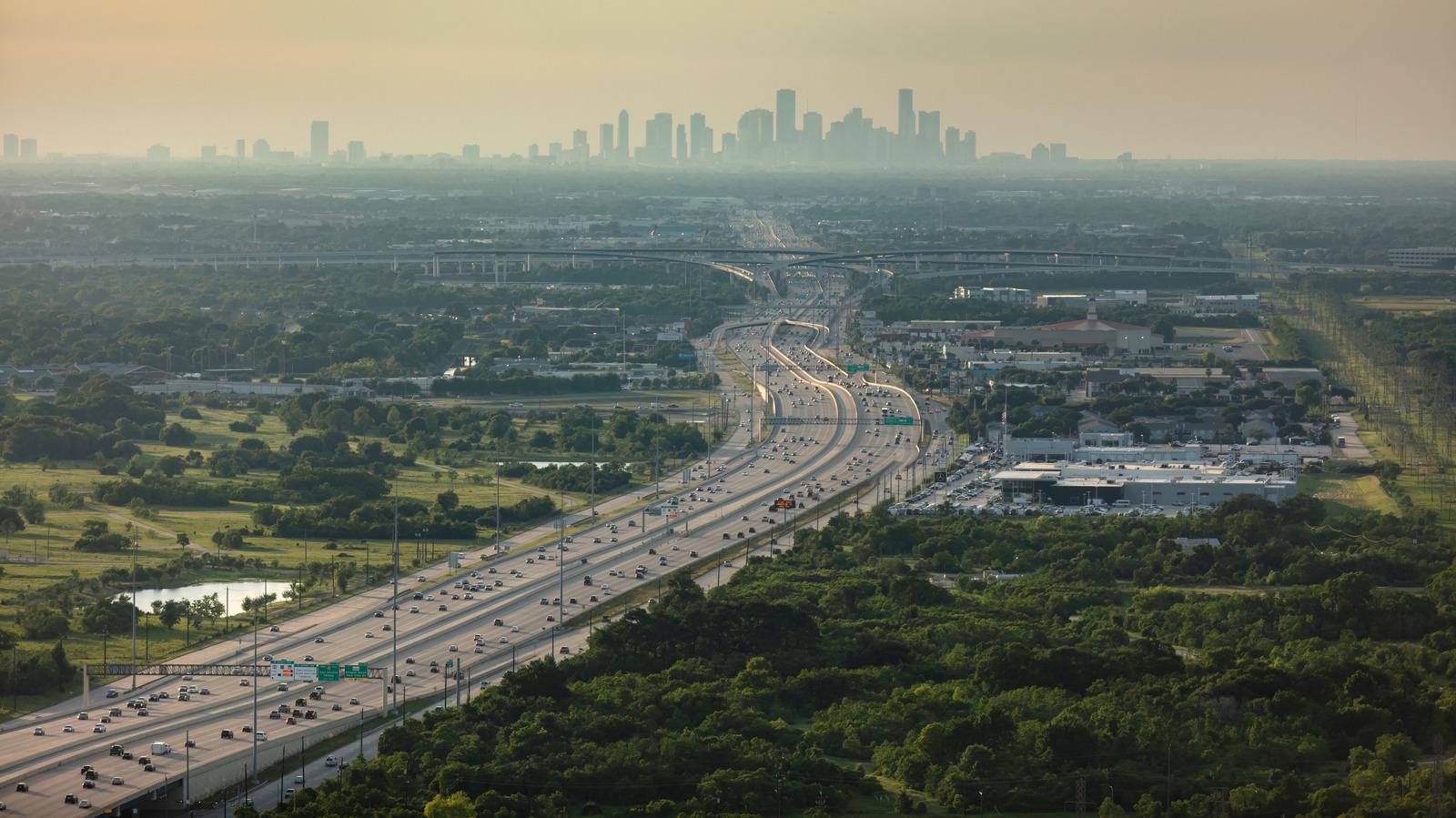
Why Texas Leads US on Interstate Fatalities – Not Just Bad Drivers
Advertisement
Image: Why Texas Leads US on Interstate Fatalities – Not Just Bad Drivers – Performance Comparison and Specifications
1. Road Design & Layout
Texas has more interstate miles than any other state – over 3,500 miles of I‑35, I‑10, I‑45 and I‑20. Long, straight stretches encourage high speeds, and many sections lack median barriers or adequate lighting. When you combine long distances with limited rest areas, driver fatigue spikes, and accidents become more severe.
Advertisement
2. Speed Culture & Vehicle Mix
Speed limits in Texas often reach 75 mph, and some rural stretches even allow 80 mph. The typical Texas garage is stocked with powerful pickups and large SUVs. These vehicles have higher centers of gravity and longer stopping distances, which turn minor collisions into rollovers or head‑on crashes.
- Pickup trucks – V8 engines, ~20 mpg, $30‑35k, high torque for towing.
- Full‑size SUVs – V6/V8, ~22 mpg, $35‑45k, spacious interior.
- Mid‑size sedans – 4‑cyl, ~28 mpg, $25‑30k, better fuel economy.
When these heavier vehicles travel at high speeds, the impact forces are dramatically larger, and the likelihood of a fatal outcome rises.
3. Safety Enforcement & Policy Gaps
Texas law enforcement faces a huge area to cover. Seat‑belt usage, though improving, still trails the national average. Moreover, the state has been slower to adopt modern safety measures like mandatory electronic stability control on all new vehicles or statewide red‑light camera programs.
Advertisement
Recent data from the Texas Department of Transportation shows a 12% increase in fatal crashes over the past five years, even as national numbers have plateaued. The trend points to policy, not just driver skill, as the key factor.
Key Takeaways
- Massive interstate mileage creates more exposure.
- Higher speed limits and powerful vehicles boost crash severity.
- Inconsistent safety enforcement leaves gaps that cost lives.
FAQ
- What is the main cause of Texas interstate fatalities? A combination of long, high‑speed highways, a vehicle fleet dominated by heavy trucks and SUVs, and weaker safety enforcement.
- Are Texas drivers less skilled than those in other states? No. Studies show Texas drivers have comparable or better crash avoidance skills; the environment amplifies risk.
- What can drivers do to stay safer on Texas interstates? Wear seat belts, limit speed, take regular breaks on long trips, and choose vehicles with modern safety tech.
Table: Popular Vehicles on Texas Interstates
| Engine | Mileage (mpg) | Price (USD) | Top Features |
|---|---|---|---|
| V8 | 20 | $32,000 | High torque, towing capacity |
| V6 | 22 | $38,000 | All‑wheel drive, safety suite |
| 4‑cyl | 28 | $27,000 | Fuel‑efficient, advanced driver‑assist |
Understanding the real reasons behind Texas’s fatality rates helps drivers make smarter choices and pushes policymakers toward better safety solutions.
What’s your experience on Texas highways? Share your thoughts in the comments below.
Advertisement
Source: Read Official News