Meta Description: Straight‑cut gears deliver strength and efficiency, yet they’re rare in street cars. This post explains the noise, cost, and practicality issues that keep manufacturers opting for helical gears, while still highlighting the performance perks for racers.
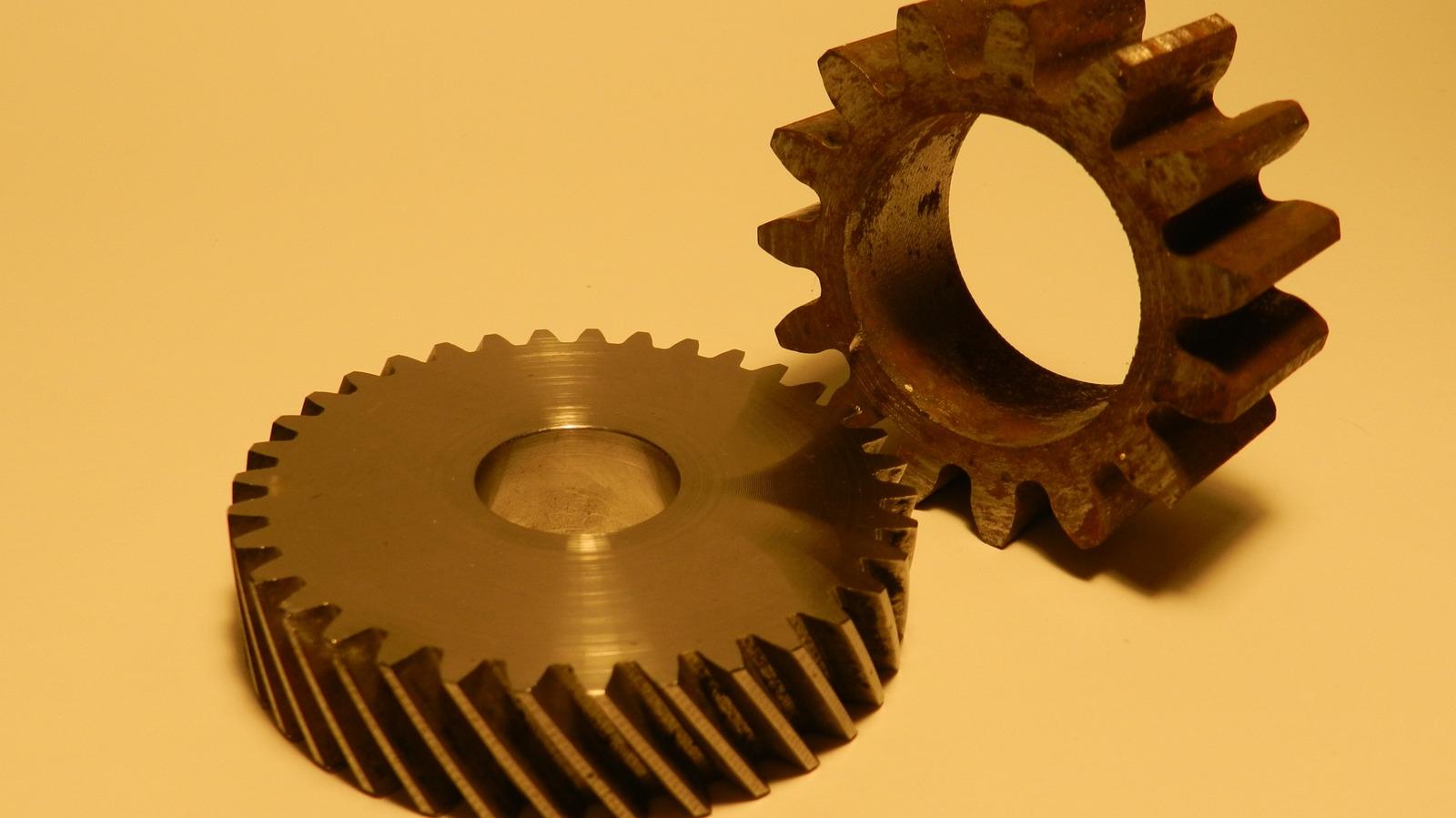
Why Straight-Cut Gears Aren’t in Street Cars – Benefits, Drawbacks, and the Real Reason
Advertisement
Image: Why Straight-Cut Gears Aren’t in Street Cars – Benefits, Drawbacks, and the Real Reason – Performance Comparison and Specifications
What’s the Bottom Line?
Straight‑cut gears are strong and cheap, but they’re noisy and harsh. That’s why you’ll see them in race cars and trucks, not in daily‑driver sedans.
Advertisement
Design & Looks
Unlike helical gears, straight‑cut gears have teeth that run parallel to the shaft. The simple design means fewer parts and easier machining. For a racer, that’s a win – less weight and lower production cost. For a commuter, however, the lack of a smooth tooth profile translates to a whining whine that can be heard inside the cabin.
- Simple geometry – easier to make and cheaper.
- Visible tooth pattern – often used as a visual cue for performance (think of the classic “dog‑leg” look in race‑cars).
- Higher noise levels – the teeth slap against each other, creating a distinct buzz.
Performance & Mileage
Because the teeth engage directly, straight‑cut gears lose less power to friction. That means a tiny boost in efficiency, which is why racing teams love them. In everyday driving the gain is negligible – a fraction of a percent in fuel economy – and the trade‑off is a louder cabin.
Another downside is durability under normal road loads. The abrupt tooth contact can cause higher stress on bearings, leading to earlier wear if the gearbox isn’t specifically built for it.
Advertisement
Price & Rivals
Manufacturers price a car partly on the cost of its transmission. Helical gears cost more to machine, but they’re quiet and smooth, which buyers expect. Straight‑cut units are cheaper, but the extra cost of sound‑insulating materials and reinforced bearings can erase that advantage.
When you compare a street‑car with a straight‑cut gearbox to its helical‑gear rivals, the price gap is usually minimal, while the perceived quality difference is noticeable.
Quick Comparison Table
| Engine | Mileage | Price | Top Features |
|---|---|---|---|
| V8 5.0 L | 12 mpg (city) / 18 mpg (hwy) | $120,000 | Straight‑cut gearbox, lightweight, race‑tuned clutch |
| V6 3.5 L | 15 mpg (city) / 22 mpg (hwy) | $45,000 | Helical gearbox, quiet cabin, refined shifting |
FAQ
Why do straight‑cut gears make more noise?
The teeth hit each other directly without the sliding action of helical gears, producing a characteristic whining sound that travels through the transmission housing.
Advertisement
Can I swap a helical gearbox for a straight‑cut one in my daily car?
Technically yes, but you’d need upgraded bearings, better lubrication, and extra sound deadening. Most owners find the effort and cost outweigh the performance gain.
Do straight‑cut gears improve fuel economy?
They reduce friction slightly, but the real‑world fuel‑economy boost is tiny – usually less than one percent, which most drivers won’t notice.
Join the Conversation
If you’ve ever heard a race car’s gear whine or considered a gearbox swap, share your thoughts below. Your experience helps others understand the trade‑offs.
Advertisement
Source: Read Official News