The Evolution of a Movement: From Budget Living to Luxury Nomads
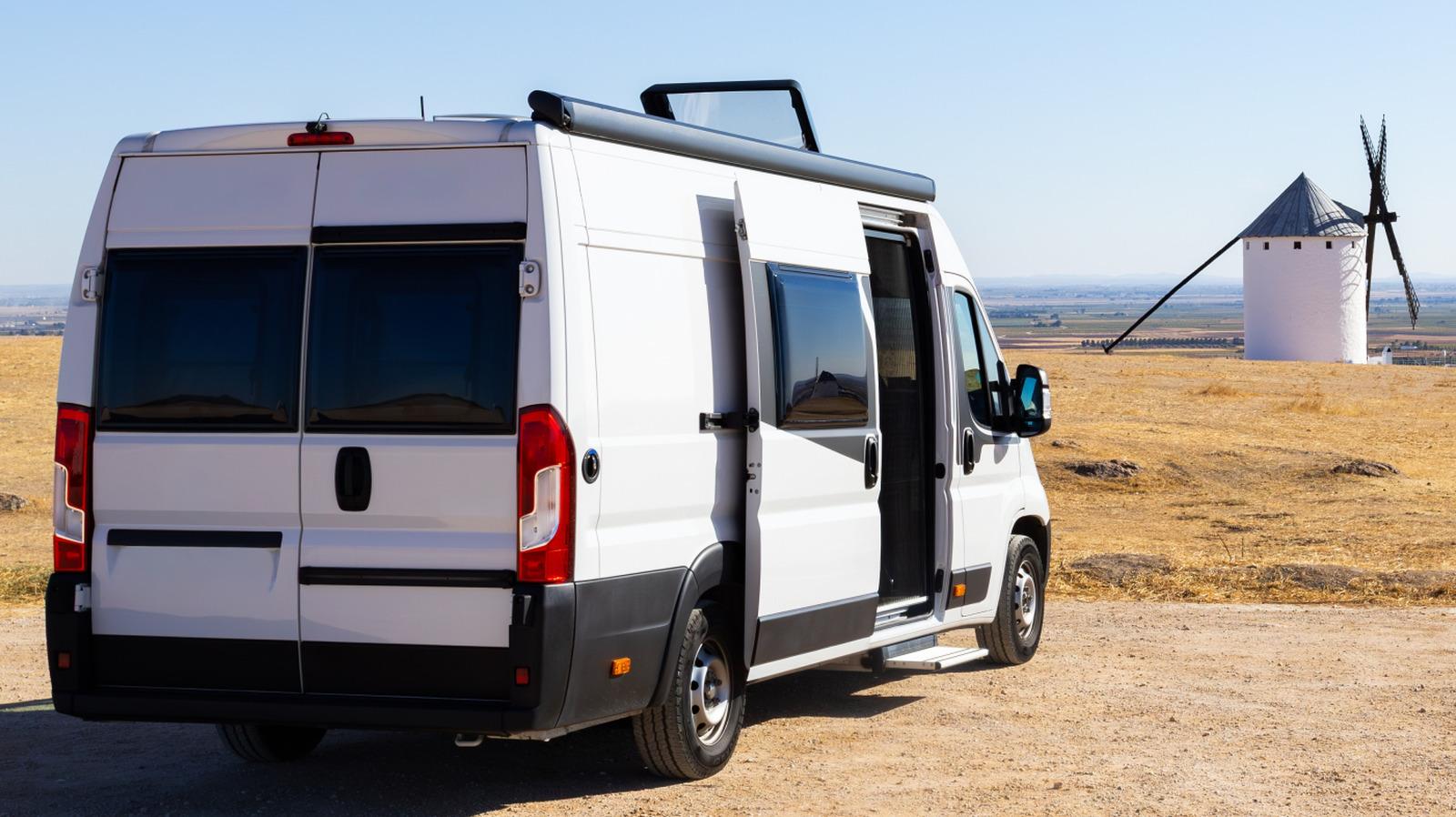
Van Life Isn’t Cheap Anymore: The Actual Cost of Living the Dream in 2026
Image: Van Life Isn’t Cheap Anymore: The Actual Cost of Living the Dream in 2026 – Performance and Specifications
Advertisement
Gone are the days when living in a van down by the river meant you were down and out. In 2026, the ‘Van Life’ movement has undergone a radical transformation, pivoting from a counter-culture survival tactic to a high-status lifestyle choice. But if you are planning to trade your mortgage for a set of wheels this year, be prepared for a reality check. The entry price for a reliable, off-grid capable campervan in 2026 now starts at a staggering $85,000 (approx. ₹71 Lakhs), with professional luxury conversions easily clearing the $250,000 mark.
While the dream of waking up to a different mountain range every morning remains alluring, the financial barrier to entry has never been higher. Between skyrocketing vehicle prices, the premium on lithium-solid-state battery tech, and the rising costs of ‘nomad-friendly’ insurance, the lifestyle is no longer a cheap escape—it’s an investment. In this deep dive, we look at the 2026 Mercedes-Benz Sprinter AWD—the gold standard of the industry—to see what it truly costs to live on the road today.
Advertisement
2026 Mercedes-Benz Sprinter AWD: The Modern Nomad’s Foundation
Design and Exterior Aesthetics
The 2026 Sprinter has moved away from its purely utilitarian roots. The new ‘Overland’ trim features an aerodynamic roofline integrated with high-efficiency solar shingles. These aren’t just panels bolted on; they are part of the van’s skin. The exterior also sees the inclusion of matte-finish scratch-resistant paint and integrated LED light bars that provide 360-degree illumination for late-night campsite setups. Users on forums like Reddit’s r/vanlife have praised the new ‘Stealth Mode’ lighting, which allows for minimal light leakage when camping in urban environments.
Interior Tech: The Smart Home on Wheels
Inside, the 2026 models are closer to a high-end apartment than a commercial vehicle. The MBUX (Mercedes-Benz User Experience) system now integrates directly with Starlink Mini v3, providing seamless 5G/Satellite switching for remote workers. Tech enthusiasts love the ‘One-Touch Off-Grid’ system, which automatically manages power consumption, water filtration, and grey-water levels via a central 15-inch OLED touchscreen. However, some traditionalists complain that the reliance on touchscreens makes repairs in the middle of nowhere significantly more difficult.
Performance and Off-Road Capability
The 2026 Sprinter AWD features a revised 2.0L Twin-Turbo Diesel engine paired with a 48V mild-hybrid system. This setup delivers 215 hp and 450 Nm of torque, essential for hauling heavy conversion builds over mountain passes. The real star is the new ‘Electronic Torque Vectoring’ which mimics a locking differential, allowing the van to handle muddy trails that would have stranded older models. For those going green, the eSprinter variant now offers a real-world range of 310 miles (500 km), though charging infrastructure in national parks remains a major ‘Con’ for early adopters.
Advertisement
Comparing the Titans: Van Life Platforms in 2026
| Feature | 2026 Mercedes Sprinter AWD | 2026 Ford Transit Trail | 2026 Ram ProMaster EV |
|---|---|---|---|
| Base Price | $68,000 | $62,000 | $74,000 | Max Payload | 4,200 lbs | 3,800 lbs | 4,500 lbs | Drivetrain | AWD (Hybrid Diesel) | Intelligent AWD (Gas) | FWD (Electric) | Ground Clearance | 9.5 Inches | 8.1 Inches | 6.9 Inches | Tech Highlight | Starlink Integration | Pro Power Onboard | 115kWh Battery Pack |
Technical Specifications: 2026 Sprinter (Overland Config)
| Specification | Details | ||
|---|---|---|---|
| Engine | 2.0L 4-Cylinder Twin-Turbo Diesel Hybrid | Transmission | 9G-Tronic Automatic |
| Torque | 450 Nm @ 1,400 RPM | Fuel Tank | 24.5 Gallons (Extended Range Opt.) |
| Towing Capacity | 7,500 lbs | Safety Rating | 5-Star Euro NCAP (Van Category) |
Variant-Wise Pricing for 2026 Builds
| Variant | Ex-Showroom Price (Est.) | Target Audience |
|---|---|---|
| Cargo Base (DIY Platform) | $59,000 | The Budget Builder | Crew Van (Partial Build) | $65,000 | Weekend Warriors | ‘Overland’ Factory Edition | $115,000 | Hardcore Off-Grid Nomads | Airstream/Winnebago Full Build | $210,000+ | Luxury Retirees |
Safety and NCAP Ratings
Safety is no longer an afterthought. The 2026 platforms come standard with ‘Crosswind Assist 2.0,’ which uses braking to keep the high-profile van stable in gusts. In the 2026 NCAP safety tests, the Mercedes Sprinter secured a ‘Gold’ rating for its Active Brake Assist and Lane Keeping systems—critical features when driving a 4-ton home-on-wheels through narrow coastal roads.
People Also Ask (FAQ)
1. How much does a basic van life conversion cost in 2026?
A basic DIY conversion in 2026 typically costs between $15,000 and $30,000, excluding the price of the van. This includes insulation, a basic power system, and modular furniture.
2. Is the Mercedes Sprinter better than the Ford Transit for van life?
The Sprinter offers better resale value and superior AWD performance, while the Ford Transit is generally cheaper to maintain and has a more ‘car-like’ driving feel.
Advertisement
3. Can you live in an electric van in 2026?
Yes, but it requires careful planning. EVs like the 2026 eSprinter are great for ‘basecamping’ near chargers, but deep wilderness exploration is still better suited for diesel hybrids.
4. What is the average monthly cost of van life?
Excluding the vehicle payment, most nomads spend $1,500 to $2,500 per month on fuel, food, campsite fees, and insurance.
5. Do I need a special license to drive a large campervan?
In most regions, a standard driver’s license is sufficient as long as the GVWR (Gross Vehicle Weight Rating) is under 10,000 lbs (4.5 tonnes).
Advertisement
6. How do van lifers get internet in 2026?
Most 2026 builds use integrated Starlink satellite systems or high-gain 5G antennas that can catch signals from miles away.
7. Is van life still legal in the USA/Europe?
It is legal, but regulations are tightening. Many cities have ‘no overnight parking’ ordinances, making paid campsites or BLM land essential.
8. What is the lifespan of a modern diesel campervan?
With proper maintenance, a 2026 diesel Sprinter or Transit can easily last 300,000 to 400,000 miles.
Advertisement
9. Are campervans a good investment?
No. While they hold value better than cars, they are depreciating assets. They are an investment in lifestyle, not finance.
10. What is the biggest ‘Con’ of van life in 2026?
The ‘hidden’ costs: Insurance premiums have risen 40% since 2022, and many prime camping spots now require reservations months in advance.
Verdict: Should You Buy Into Van Life in 2026?
Pros
- Unmatched freedom and mobility for remote work.
- High-tech off-grid systems allow for weeks of autonomy.
- Superior safety tech makes long-distance driving less fatiguing.
Cons
- Prohibitively high initial purchase and conversion costs.
- Rising maintenance costs for complex hybrid/EV systems.
- Increasingly crowded campsites and stricter local laws.
Final Verdict: If you have the capital and a remote job, the 2026 generation of vans offers a level of comfort that finally matches the ‘dream’ sold on social media. However, if you’re looking for a way to save money on rent, the rising costs of fuel, insurance, and the vehicles themselves mean that ‘Van Life’ is now a luxury, not a loophole.
Advertisement