The Science Behind the ‘Potato-Potato’ Rhythm: More Than Just Noise
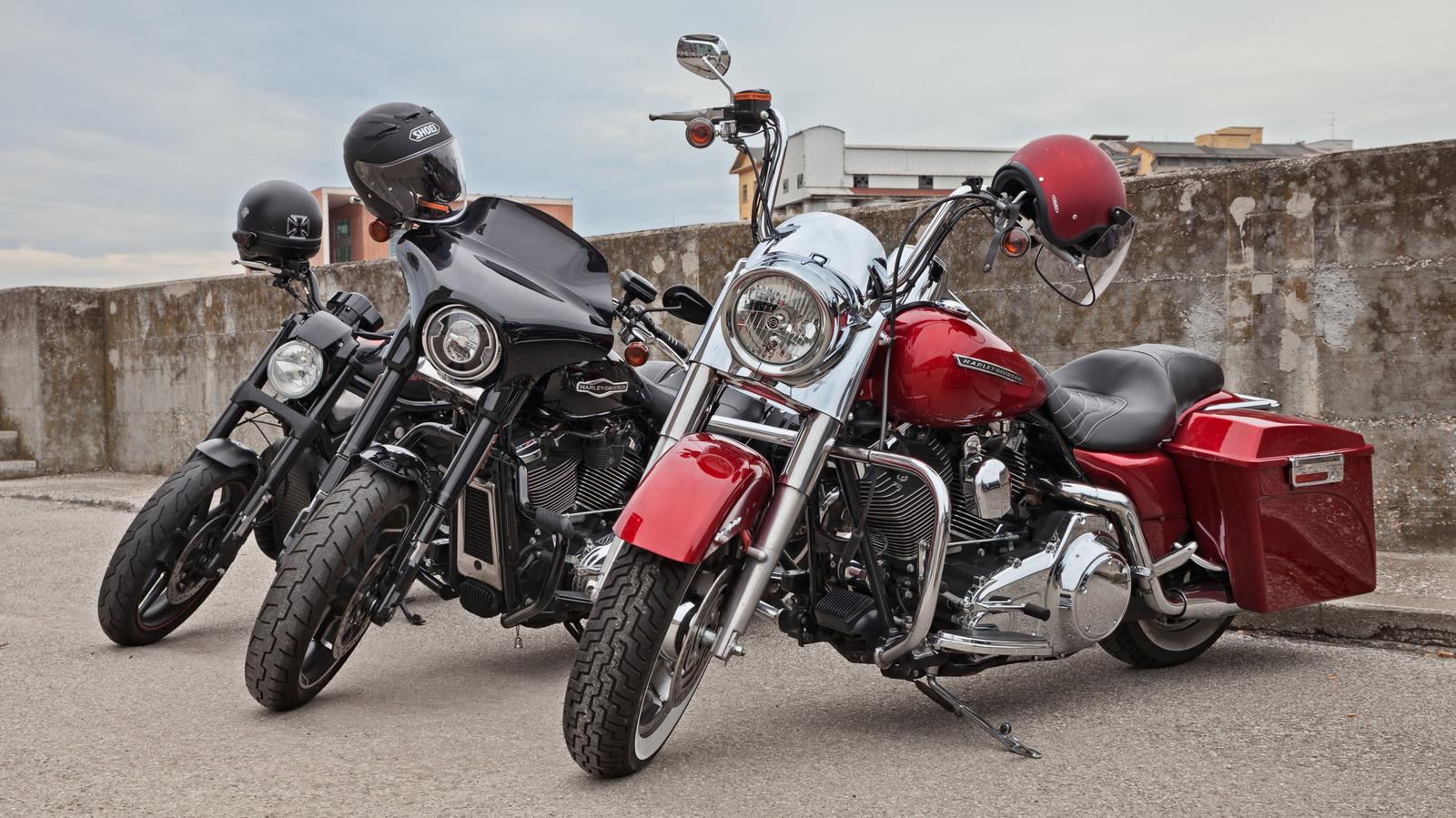
Why Do Harley-Davidson Motorcycles Have Such A Distinct Sound? The 2026 Engineering Deep-Dive
Image: Why Do Harley-Davidson Motorcycles Have Such A Distinct Sound? The 2026 Engineering Deep-Dive – Performance and Specifications
Advertisement
For over a century, the thunderous rumble of a Harley-Davidson has served as the brand’s primary calling card. It is a sound so distinct that in the 1990s, the company actually attempted to trademark it. But what exactly creates that rhythmic, syncopated ‘potato-potato-potato’ cadence? As we head into 2026, Harley-Davidson continues to balance this heritage with modern engineering like the Milwaukee-Eight 121 VVT and the Revolution Max engines. Whether you are looking at an entry-level Nightster at ₹18.50 Lakh or a top-tier CVO Road Glide crossing ₹42 Lakh (ex-showroom), the sound remains the soul of the machine.
The Single Crankpin Design: The Secret Sauce
The primary reason for the unique sound lies in the engine’s architecture. Most V-Twin engines use two crankpins, allowing for an even firing order. Harley-Davidson, however, uses a single crankpin for both connecting rods. Because the cylinders are set at a 45-degree angle, the pistons do not fire at even intervals. Instead of a steady 1-2-1-2 rhythm, you get a ‘pop-pop-pause’ sequence. In a 720-degree four-stroke cycle, the cylinders fire at 0 degrees, then 315 degrees, followed by a long 405-degree gap before the cycle repeats. This uneven spacing creates the iconic syncopation.
Advertisement
The 45-Degree V-Twin Layout
The 45-degree angle isn’t just for aesthetics; it defines the bike’s physical footprint and vibration profile. While modern 2026 models utilize counterbalancers to manage the ‘teeth-rattling’ vibrations of the past, the staggered exhaust pulses remain. In the newer Revolution Max engines found in the Pan America, the angle has shifted to 60 degrees, but engineers have used clever exhaust tuning and crank-pin offsets to mimic the traditional soul of the 45-degree air-cooled ancestors.
Technical Specifications: 2026 Milwaukee-Eight vs. Revolution Max
To understand the sound, you must understand the hardware. Below are the technical specifications for the two most prominent engine platforms available in 2026.
| Feature | Milwaukee-Eight 121 (VVT) | Revolution Max 1250T |
|---|---|---|
| Engine Type | Air/Oil Cooled V-Twin | Liquid-Cooled 60° V-Twin | Displacement | 1,977 cc | 1,252 cc | Horsepower | 115 HP @ 5,020 rpm | 121 HP @ 7,500 rpm | Torque | 183 Nm @ 3,500 rpm | 127 Nm @ 6,000 rpm | Firing Order | Traditional Uneven (Single Pin) | Phased (Double Pin) | Sound Character | Deep, Thumping Rumble | Mechanical, High-Rev Whir |
Variable Valve Timing (VVT) in 2026 Models
In 2026, Harley-Davidson has perfected Variable Valve Timing across its CVO and premium Touring range. VVT allows the engine to adjust cam timing based on RPM, which not only improves fuel efficiency and torque spread but also allows engineers to ‘shape’ the exhaust note. At idle, the VVT ensures the classic ‘lope’ is maintained, while at high speeds, it smooths out the pulse for better touring comfort.
Advertisement
The Evolution of Exhaust Tuning
With global emissions standards like Euro 6e and BS7 becoming stricter, Harley-Davidson has had to innovate. The 2026 models feature sophisticated active exhaust valves. These valves stay closed at low speeds to meet noise regulations but open up during hard acceleration to let the engine breathe—and bark. This ‘Jekyll and Hyde’ personality allows the bike to stay legal while still delivering the visceral experience owners demand.
2026 Variant-Wise Pricing (Estimated Ex-Showroom)
Pricing for the 2026 lineup reflects the integration of new technology and the premium nature of the brand in the Indian market.
| Model Series | Starting Price (Estimated) | Target Audience |
|---|---|---|
| Sportster S (Rev Max) | ₹18,80,000 | Performance Seekers | Heritage Classic 114 | ₹27,50,000 | Traditional Purists | Road Glide (M8 117) | ₹38,20,000 | Long-Distance Tourers | CVO Street Glide (M8 121) | ₹42,50,000 | Luxury Collectors |
The Comparison: Harley-Davidson vs. Top Rivals (2026)
How does the Harley-Davidson experience stack up against its closest competitors in the heavyweight cruiser segment?
Advertisement
| Attribute | Harley-Davidson Road Glide | Indian Challenger | BMW R 18 Roctane |
|---|---|---|---|
| Engine Type | 117ci V-Twin | PowerPlus V-Twin | 1,802cc Boxer Twin | Sound Type | Rhythmic Rumble | Mechanical Growl | Low-Frequency Thrum | Tech Loadout | Skyline OS, 12.3″ TFT | Ride Command, 7″ Touch | Minimalist Analog/LCD | Weight (Wet) | 380 kg | 377 kg | 374 kg | 2026 Connectivity | Standard 5G / Apple CarPlay | Standard 4G LTE | Bluetooth Only |
Interior Tech and Safety: The 2026 Standard
While the sound is old-school, the tech is NASA-grade. The 2026 Touring models feature the Skyline™ OS, powered by a massive 12.3-inch anti-glare TFT display. Safety is managed by the Reflex™ Defensive Rider Systems (RDRS), which includes Cornering Enhanced ABS, Electronic Linked Braking, and Traction Control. While motorcycles don’t get traditional NCAP ratings, Harley’s integration of Bosch 6-axis IMU technology ensures the bike stays upright even during emergency maneuvers in mid-lean.
People Also Ask (FAQ)
- Why is it called the ‘Potato-Potato’ sound? It mimics the rhythmic cadence of the words when the bike is idling at low RPMs.
- Did Harley-Davidson really try to trademark their sound? Yes, in 1994, but they eventually dropped the case after six years of litigation with other manufacturers.
- Are 2026 Harleys quieter than older models? Yes, due to stricter emission and noise laws, but they use active exhaust valves to maintain sound quality.
- Is the sound different on the Pan America? Yes, the Revolution Max engine has a 60-degree V-angle and sounds more like a high-performance European sport-tourer.
- What is the best exhaust for the 2026 Street Glide? Screamin’ Eagle remains the gold standard for maintaining warranty while improving the ‘bark’.
- Do electric Harleys (LiveWire) have a sound? They produce a high-pitched ‘turbine’ whir, which is intentional but vastly different from the V-Twin rumble.
- Can you make a new Harley sound like an old one? Within limits; changing to a stage-1 intake and exhaust helps, but modern ECUs limit the low-idle ‘lope’.
- Does the sound affect performance? Indirectly. The uneven firing order creates high torque at low RPMs, perfect for cruising.
- Is the Milwaukee-Eight better than the Twin Cam? Yes, it runs cooler, has more torque, and is significantly smoother due to counterbalancing.
- Why are Harleys so expensive in India? Due to high CBU (Completely Built Unit) import duties, though many models are now assembled via CKD in Thailand/India.
Verdict: Should You Buy a 2026 Harley-Davidson?
If you are looking for raw efficiency or the highest power-to-weight ratio, a Harley-Davidson isn’t the logical choice. However, motorcycling is rarely about logic—it’s about emotion. The 2026 lineup offers the most refined version of that ’emotion’ yet, combining the historic sound with a level of technology that finally rivals BMW and Honda.
Pros:
Advertisement
- Unmatched brand heritage and ‘curb appeal’.
- The 2026 Skyline OS is the best infotainment in the industry.
- Excellent resale value in the Indian market.
- The iconic V-Twin sound is still the best in class.
Cons:
- Significant engine heat in stop-and-go traffic.
- Extremely heavy (difficult to maneuver at low speeds).
- Premium pricing compared to high-performance rivals.