The High-Stakes Gamble: Why Your Boat Isn’t a Floating Car
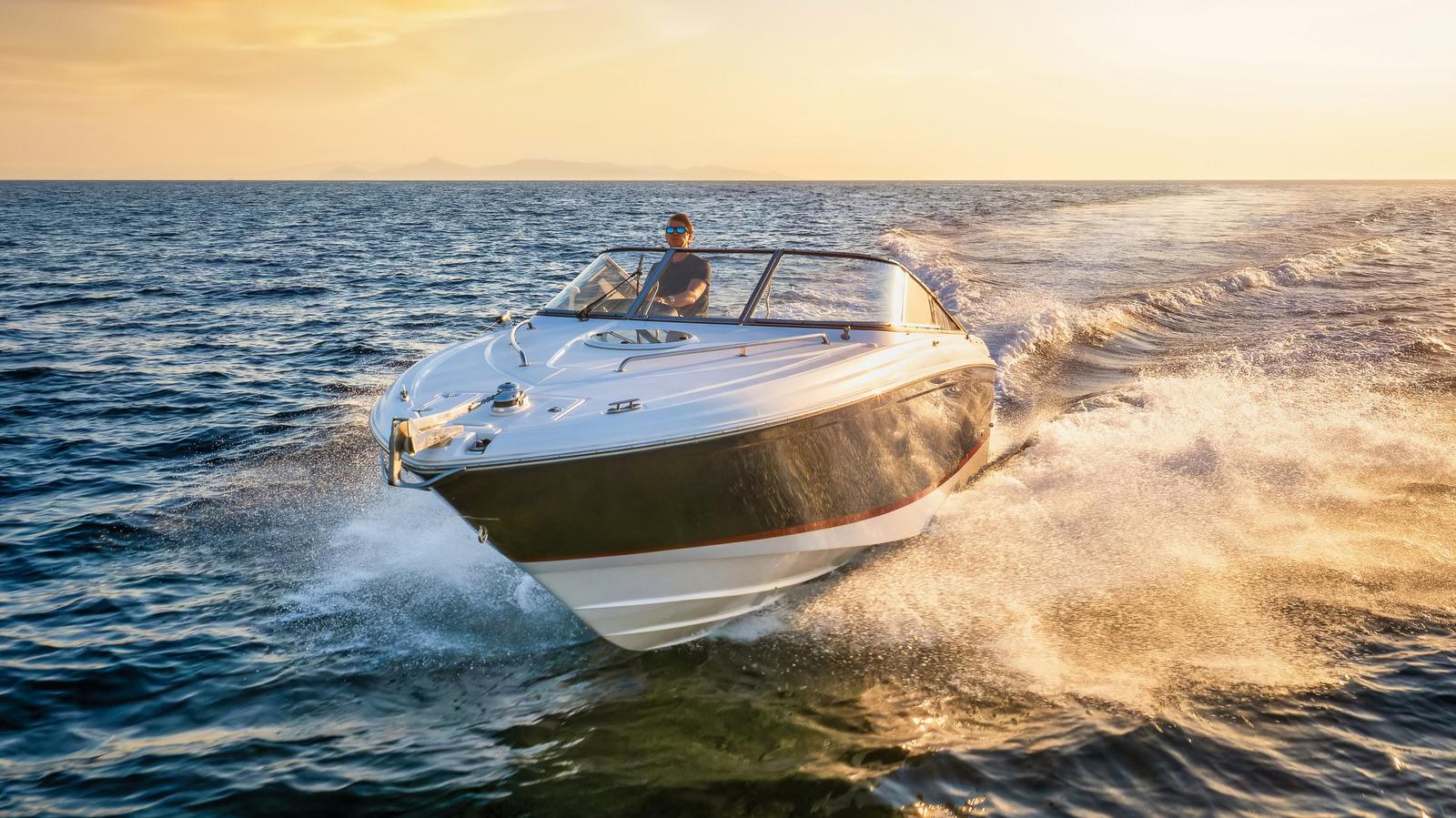
Marine Vs. Automotive Spark Plugs: The 2026 Definitive Guide to Engine Protection
Image: Marine Vs. Automotive Spark Plugs: The 2026 Definitive Guide to Engine Protection – Performance and Specifications
Advertisement
Imagine being 20 miles offshore when your engine suddenly sputters and dies. In a car, a fouled spark plug is a minor inconvenience that results in a call to a tow truck. At sea, it is a life-threatening emergency. While many enthusiasts believe a spark plug is simply a spark plug, the year 2026 has brought new metallurgical advancements that make the distinction between marine and automotive variants more critical than ever. Whether you are running a high-performance Mercury outboard or a standard 2.0L sedan, understanding these differences is vital for reliability. Marine spark plugs typically retail between $12 and $45 per unit, depending on the iridium coating, while automotive plugs remain in the $5 to $20 range.
The Anatomy of Resilience: How Marine Plugs Defy the Elements
The primary difference between these two components isn’t how they create a spark, but how they survive the environment. In 2026, we have seen a surge in complaints regarding ‘cheap’ automotive plugs being used in marine environments, leading to rapid terminal corrosion and engine seizure.
Advertisement
1. Corrosion Resistance and Metallurgy
Automotive spark plugs are usually finished with a zinc-chromate or nickel plating. This is perfectly adequate for the dry, shielded environment of an engine bay. However, marine spark plugs utilize a proprietary stainless steel shell or a high-grade anti-corrosive coating designed specifically for the salt-mist environments of the ocean. In 2026, manufacturers like NGK and Champion have introduced ‘Double-Passivated’ coatings that offer 400% more resistance to oxidation than standard automotive parts.
2. Suppression and Safety (SAE J1171 Compliance)
Safety is the most overlooked factor. Boats often have enclosed engine compartments where fuel vapors can accumulate. Marine spark plugs are designed to be ‘ignition protected’ under SAE J1171 standards. They feature internal resistors and specialized ceramic insulators that prevent external sparking which could ignite fumes. Using a standard car plug in an inboard engine increases the risk of an explosion.
3. Heat Range and Continuous Load
Cars experience variable loads; they coast, they idle at lights, and they cruise at low RPMs. Marine engines, however, are almost always under load—similar to a car driving up a continuous 45-degree incline. Marine plugs are engineered with colder heat ranges and thicker copper cores to dissipate massive amounts of heat rapidly to prevent pre-ignition and piston melt-down.
Advertisement
4. Terminal Design and Vibration Resistance
Waves create constant, high-frequency vibrations that can loosen the terminal nuts on standard car plugs. 2026 marine models feature ‘Solid-Terminal’ designs that are forged as one piece, ensuring the spark plug wire never loses contact, even in 5-foot swells.
5. The 2026 Technological Leap: Iridium-X Marine
The latest 2026 update in the industry is the ‘Iridium-X’ alloy. This material allows for a much thinner center electrode that requires less voltage to spark, while being virtually immune to the ‘carbon fouling’ often seen in 2-stroke outboards and modern direct-injection 4-strokes.
Performance Comparison: Marine vs. Automotive
| Feature | Automotive Spark Plug (2026 Gen) | Marine Spark Plug (2026 Gen) |
|---|---|---|
| Shell Material | Nickel-Plated Steel | Passivated Stainless Steel / Chrome-Zinc |
| Corrosion Rating | Low (prone to rust in humidity) | Extreme (Salt-spray tested for 500+ hours) |
| Ignition Protection | None | SAE J1171 Certified |
| Typical RPM Load | Variable (800 – 3,500 RPM) | Constant High (4,500 – 6,500 RPM) |
| Terminal Type | Removable Nut | Solid Forged Terminal |
2026 Pricing and Specs Table
| Brand / Series | Application | Core Material | Estimated Price (INR) |
|---|---|---|---|
| NGK Laser Iridium Marine | High-End Outboards | Iridium/Platinum | ₹1,850 – ₹2,400 |
| Bosch Double Iridium | Luxury Sedans / SUVs | Iridium | ₹850 – ₹1,200 |
| Champion Marine Pro | General Boating | Copper/Nickel | ₹950 – ₹1,300 |
| Denso Iridium Power | Performance Cars | Iridium | ₹1,100 – ₹1,600 |
People Also Ask (FAQ)
- Can I use car spark plugs in my boat for a day? It is not recommended as the lack of anti-corrosive coating can cause the plug to seize in the cylinder head within hours of salt-water exposure.
- What happens if I use marine plugs in my car? It will likely work, but you are overpaying for corrosion resistance your car doesn’t need, and the heat range might not be optimal for fuel economy.
- Are marine spark plugs more expensive? Yes, typically 50% to 100% more due to the specialized alloys and safety certifications.
- How often should marine spark plugs be changed in 2026? Every 100 hours of use or once a season, whichever comes first.
- Do iridium plugs last longer in boats? Yes, they resist fouling much better than traditional copper plugs in wet environments.
- What is the SAE J1171 rating? It is a certification ensuring the device won’t ignite surrounding flammable vapors.
- Why do my marine plugs look ‘rusty’ after one month? If you used automotive plugs, they lack the passivated coating required for marine air.
- Does high humidity affect car spark plugs? Yes, it can lead to terminal arching, but car boots are generally designed to stay dry.
- Can I clean marine spark plugs? It is better to replace them, as cleaning can damage the specialized Iridium-X coating.
- Where can I buy genuine marine spark plugs in India? Authorized dealers for Mercury, Yamaha, or specialized marine retailers are the safest bet.
The Verdict: Should You Make the Switch?
In 2026, the gap between marine and automotive technology has widened. While the physical dimensions may be identical, the internal chemistry and external coatings are worlds apart.
Advertisement
Pros of Marine Plugs:
– Superior longevity in salt-air environments.
– Increased safety against engine bay explosions.
– Better heat dissipation under constant load.
Cons of Marine Plugs:
– Significantly higher price point.
– Harder to find at local auto-parts stores.
Final Word: If you value your safety and the longevity of your marine engine, never substitute an automotive plug. The savings of a few hundred rupees is not worth the risk of a seized engine or a fire at sea. Stick to the specialized 2026 marine variants for peace of mind.
Advertisement