Marine spark plugs and car spark plugs share the same basic job—igniting the fuel‑air mix—but they face very different conditions.
Advertisement
Marine vs Automotive Spark Plugs: Key Differences Explained
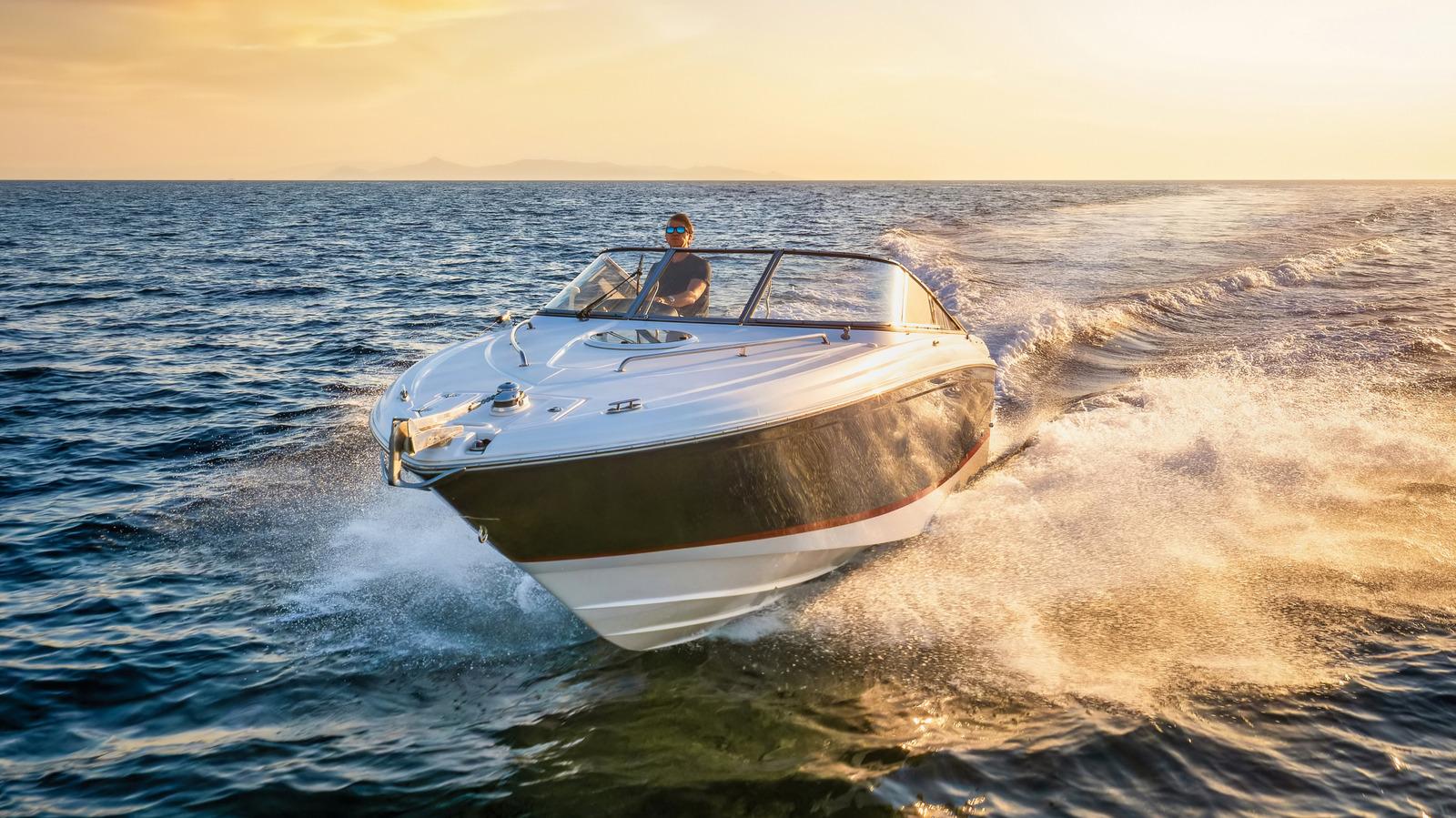
Image: Marine vs Automotive Spark Plugs: Key Differences Explained – Performance Comparison and Specifications
Advertisement
Design & Build
Both plug types contain a ceramic insulator, a metal shell, and a central electrode. Marine plugs, however, add extra sealing features to keep water out. They often use a double‑sealed design, a tighter thread pitch, and corrosion‑resistant alloys like nickel‑chromium.
Performance & Reliability
In a car, a plug must deliver a strong spark at high RPMs and endure heat cycles. Marine plugs must also survive splashes, salty air, and occasional sub‑mersion. Because of this, marine plugs typically have a lower heat range and a longer electrode life, reducing the need for frequent swaps.
Price & Alternatives
Automotive plugs are widely available and can cost as little as $5–$10 per piece. Marine plugs are pricier, often $12–$20, due to the specialized sealing and material upgrades. If you run a boat, using a standard car plug can lead to misfires, corrosion, and costly engine damage.
Advertisement
| Aspect | Marine Spark Plug | Automotive Spark Plug |
|---|---|---|
| Engine Compatibility | Outboard, inboard, sterndrive | Passenger cars, light trucks |
| Mileage Impact | Improves reliability in wet conditions | Optimizes fuel efficiency |
| Price Range | $12‑$20 | $5‑$10 |
| Top Features | Double‑seal, corrosion‑resistant alloy, lower heat range | Standard seal, variety of heat ranges, high‑performance options |
FAQ
- Can I use an automotive spark plug in a boat? It may work temporarily, but water intrusion and corrosion risk make it unsafe for long‑term use.
- Why do marine plugs have a lower heat range? A cooler plug reduces the chance of overheating in the humid, salty environment of a boat.
- How often should I replace marine spark plugs? Most manufacturers recommend replacement every 100–150 hours of operation, compared to 30,000‑50,000 miles for cars.
Got more questions or personal experiences with marine or car spark plugs? Share them in the comments below!
Source: Read Official News
Summary (60 words): Marine spark plugs feature double‑sealing, corrosion‑resistant alloys, and lower heat ranges to stay dry and last longer in salty, wet conditions. Automotive plugs focus on high heat ranges for performance and cost‑effectiveness. The price gap reflects these design differences, with marine plugs costing more but offering essential protection against water‑induced failures.
Advertisement