The Ultimate Guide to Armored Vehicle Construction in 2026
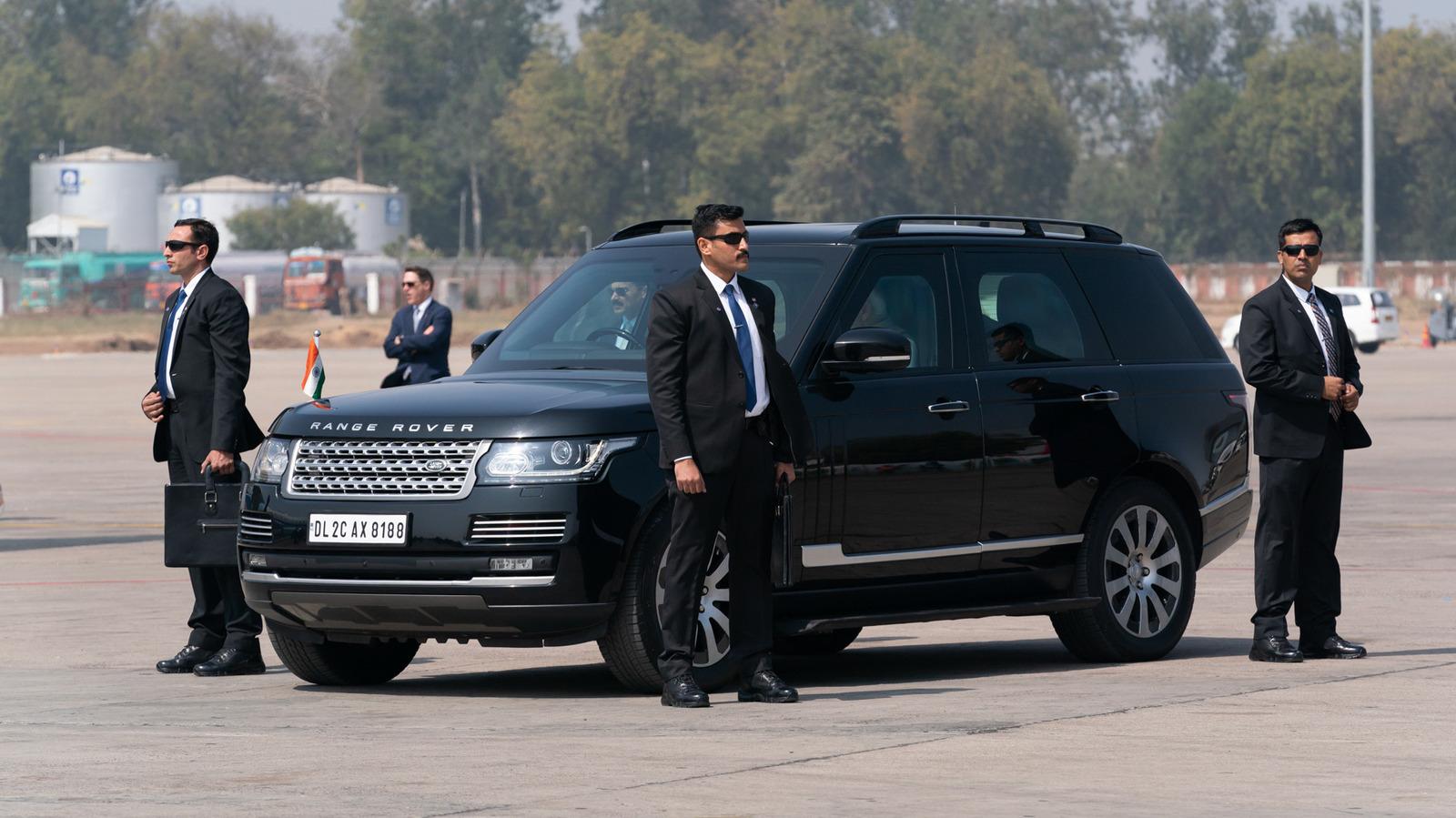
2026 Armored Vehicle Guide: How to Build a Fortress on Wheels and What It Costs
Image: 2026 Armored Vehicle Guide: How to Build a Fortress on Wheels and What It Costs – Performance and Specifications
Advertisement
In an increasingly uncertain world, personal security has transitioned from a luxury to a necessity for high-net-worth individuals, diplomats, and corporate leaders. If you are expecting a confrontation with high-powered ballistic threats or explosives, a standard SUV simply won’t cut it. You need a mobile fortress. But what exactly goes into turning a luxury SUV into a rolling bunker? The cost of armoring a vehicle in 2026 ranges from ₹1.5 Crore to over ₹10 Crore ($180,000 to $1.2 Million), depending on the level of protection and the base vehicle.
The Hook: Why 2026 Tech Changes the Game
Until recently, armoring meant adding massive weight that killed performance. However, in 2026, the industry has shifted toward lightweight ceramic composites and high-tensile ballistic nylon. These materials offer the same B6/B7 level protection at 40% less weight than traditional steel plates. This allows vehicles like the Land Cruiser 300 or the Range Rover Sentinel to maintain agile handling even under fire.
Advertisement
The Anatomy of Armoring: Step-by-Step Engineering
1. Complete Stripping and Structural Reinforcement
The process begins by stripping the vehicle down to its bare chassis. Every interior component, from seats to wiring, is removed. Engineers then weld a ‘ballistic capsule’ inside the body. In 2026, manufacturers are using 3D laser scanning to ensure there are zero ‘ballistic gaps’—those tiny spaces near door hinges or glass edges where a bullet could theoretically enter.
2. Ballistic Glass (Transparent Armor)
Modern 2026 armored glass is a sandwich of polycarbonate and lead-glass layers. While older glass would spider-web and obscure vision, new ‘Clear-View’ tech ensures that even after multiple hits from an AK-47, the driver maintains enough visibility to escape the ‘kill zone’. Thickness usually ranges from 33mm to 80mm.
3. Run-Flat Tyre Systems
You can’t call a vehicle armored if a single spike strip can stop it. Modern systems utilize polymer inserts that allow the vehicle to travel at 80 km/h for up to 100 kilometers even after all four tires have been shredded or shot out.
Advertisement
4. Blast Protection and Floor Reinforcement
IED (Improvised Explosive Device) protection is now a standard request. This involves V-shaped floor hulls that deflect blast energy away from the cabin. In 2026, vehicles are tested to withstand two DM51 hand grenades detonated simultaneously under the floor.
Performance, Interior Tech, and Safety
Adding 1,500 kg of armor requires more than just a bulletproof shell. The suspension is completely overhauled with heavy-duty springs and dampers. The braking system is upgraded to six-piston high-performance calipers to ensure the added mass can stop in emergencies. Inside, tech includes siren systems, external intercoms (to speak to attackers without opening doors), and even oxygen filtration systems for chemical weapon attacks.
NCAP and Ballistic Ratings
Unlike standard cars, armored vehicles are rated by CEN (European Committee for Standardization) levels. BR4 protects against handguns, BR6 against assault rifles (7.62mm), and BR7 against armor-piercing rounds. In 2026, the VR9/VPAM 10 rating is the gold standard for civilian armored vehicles.
Advertisement
| Feature | Land Cruiser 300 (Armored) | Range Rover Sentinel | BMW X5 Protection VR6 |
|---|---|---|---|
| Protection Level | VPAM 10 / VR7 | VPAM 9 / VR8 | VR6 |
| Engine | 3.3L V6 Twin-Turbo Diesel | 5.0L V8 Supercharged | 4.4L V8 M TwinPower |
| Payload Capacity | 1,200 kg | 900 kg | 750 kg |
| Run-Flat Range | 100 km @ 80km/h | 80 km @ 50km/h | 50 km @ 80km/h |
| Explosive Rating | 2x DM51 Grenades | 1x HG85 Grenade | 15kg TNT (Side) |
Technical Specifications and Pricing
Building an armored car is a bespoke process. Below is the technical breakdown for a standard B6 level build on a premium SUV platform in 2026.
| Specification | Details (2026 Standards) |
|---|---|
| Armor Material | Ballistic Steel + Aramid Fiber + Ceramic Composites |
| Glass Thickness | 39mm (Multi-layered Polycarbonate) |
| Suspension | Reinforced Air Suspension with Heavy Duty Struts |
| Braking System | High-Heat Resistant Ceramic Discs |
| Added Weight | 800 kg – 1,400 kg |
| Fuel Tank | Explosion-proof Self-sealing Tank |
Estimated Pricing (Ex-Showroom Transformation)
| Variant/Level | Protection Level | Estimated Price (INR) |
|---|---|---|
| Lightweight (Handgun) | CEN B4 / VR4 | ₹65,00,000 + Base Car |
| Assault Rifle Protection | CEN B6 / VR6 | ₹1,20,00,000 + Base Car |
| High-Velocity / Armor Piercing | CEN B7 / VR9 | ₹2,50,00,000 + Base Car |
| Custom Presidential Suite | VR10 + IED Pro | ₹5,00,00,000+ + Base Car |
People Also Ask (FAQ)
- Is it legal to own an armored car? Yes, in most countries including India, though specific permits from the Ministry of Home Affairs may be required for high-grade armor.
- Can you armor an electric vehicle? Yes, but the weight impacts range significantly. 2026 models use ultra-light composites to mitigate this.
- Does armor expire? Ballistic glass can delaminate over 10-15 years, and Kevlar can degrade if exposed to moisture, though modern seals prevent this.
- How thick is armored glass? Usually between 33mm and 80mm.
- Can an armored car withstand a landmine? Vehicles with a ‘V-hull’ and VR7/VR9 ratings are designed to survive under-vehicle explosions.
- What is a run-flat tire? A tire with a reinforced sidewall or internal ring that supports the car’s weight when air pressure is lost.
- How much does armoring add to the weight? Between 800kg to 1,800kg depending on the protection level.
- Which car is best for armoring? The Toyota Land Cruiser 300 and Chevrolet Suburban are industry favorites due to their robust chassis.
- Does it look different from a normal car? High-quality ‘discreet’ armoring is nearly invisible to the untrained eye.
- What is the top speed of an armored car? Usually limited to 160-180 km/h due to weight and tire load ratings.
Verdict: Should You Build One?
Buying or building an armored vehicle is an investment in life insurance. For 2026, the technology has reached a point where you no longer have to sacrifice luxury for safety.
Pros:
– Unmatched peace of mind in high-risk zones.
– High resale value in security sectors.
– Advanced survival tech (Oxygen, Intercoms, Run-flats).
Advertisement
Cons:
– Massive fuel consumption due to weight.
– Significant mechanical wear and tear.
– Extremely high entry and maintenance costs.
Final Thoughts: If your risk profile demands it, the 2026 Land Cruiser 300 Armored remains the gold standard for reliability and protection. However, ensure you use a certified armorer with VPAM or VR certification to avoid ‘false security’.
Advertisement