The Mystery of the White Residue: Why Your 2026 Car Parts Look ‘Dusty’
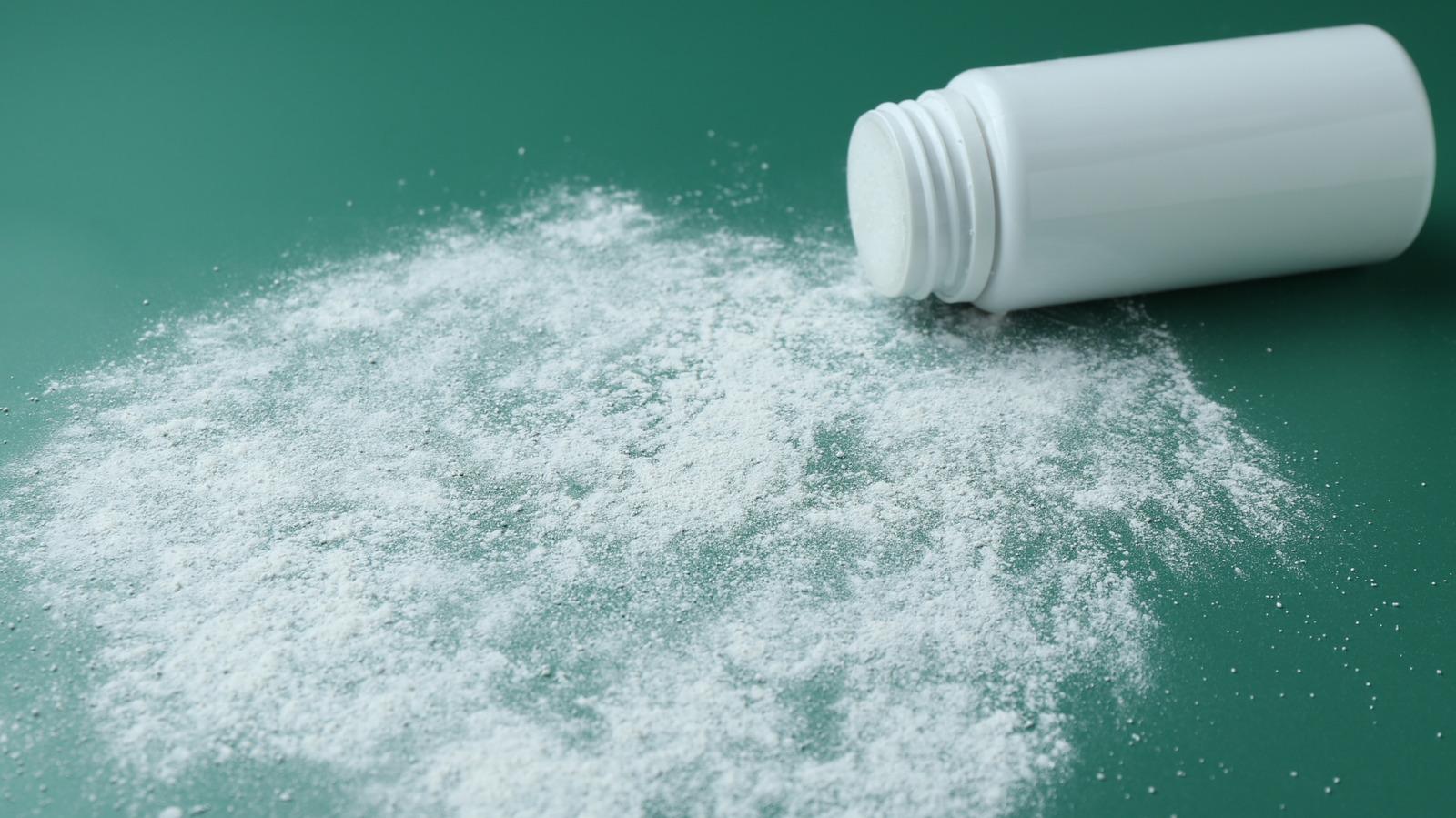
It’s Not Just Dust – Why There’s White Powder Covering Your New Car Parts (2026 Guide)
Image: It’s Not Just Dust – Why There’s White Powder Covering Your New Car Parts (2026 Guide) – Performance and Specifications
Advertisement
You’ve just unboxed a brand-new suspension bushing, a radiator hose, or perhaps you’ve popped the hood of your factory-fresh 2026 electric SUV, only to find a mysterious white powder coating the rubber and plastic components. Your first instinct might be alarm—is it mold? Is it corrosion? Is it a sign of a cheap, defective part? The short answer is: No. In fact, that white powder is often a sign of a high-quality manufacturing process designed to ensure longevity.
The Science of ‘Blooming’ and Release Agents
In the automotive world of 2026, material science has reached a pinnacle of efficiency. Most of that white powder is either Talcum Powder or a phenomenon known as ‘Blooming.’ During the manufacturing of rubber hoses and gaskets, manufacturers use talc as a ‘release agent’ to prevent the rubber from sticking to the molds or to itself when coiled in heat-sealed packaging. Without this, the high-polymer EPDM (Ethylene Propylene Diene Monomer) used in modern vehicles would fuse together before it even reached the assembly line.
Advertisement
Why 2026 Models Still Use ‘Old School’ Powder
Despite the advancement in liquid coatings, powder remains the gold standard for dry lubrication. In 2026, we are seeing a shift toward bio-based talc alternatives that are even more resistant to moisture, ensuring that parts sitting in warehouses for months remain as supple as the day they were molded. This is particularly crucial for the high-thermal-resistance hoses required by modern hybrid engines.
Detailed Breakdown: Identifying the Substance
Before you grab a rag and a bottle of degreaser, it is vital to understand exactly what you are looking at. Not all white substances are created equal.
| Substance Type | Appearance | Cause | Action Required |
|---|---|---|---|
| Talcum/Release Agent | Chalky, easily wipes off | Manufacturing process | None (Harmless) |
| Rubber Blooming | Waxy, slightly yellow-white | Chemical migration for UV protection | Do not remove (It’s protective) |
| Aluminum Oxidation | Crusty, white/grey flakes | Moisture hitting untreated alloy | Clean and seal |
| Zinc Corrosion | Fine white spots on bolts | Sacrificial layer doing its job | Monitor for red rust |
1. The Role of Talc in 2026 Part Logistics
Talc acts as a dry lubricant. In the 2026 supply chain, where parts are often shipped in vacuum-sealed recycled plastics, rubber parts can ‘outgas.’ The powder absorbs these gases, preventing the ‘sticky’ texture often found on older, poorly stored rubber components.
2. Understanding ‘Bloom’ – The Self-Healing Rubber
If the powder looks waxy, you are likely looking at ‘Bloom.’ This is when specific chemicals within the rubber compound (like antiozonants) migrate to the surface to protect the part from UV rays and ozone. In 2026, high-performance tires and weather stripping use advanced ‘Smart Bloom’ technology that replenishes this layer over the part’s lifespan.
3. Evolution of Eco-Friendly Coatings
With the 2026 sustainability mandates, many manufacturers have moved away from petroleum-based waxes to soy-based powders. These may appear slightly more granular but offer superior protection against the micro-cracking often seen in EVs that sit stationary for long periods.
Advertisement
Technical Specifications: Material Durability in 2026
| Material Component | Standard Coating | 2026 Durability Rating | Powder Necessity |
|---|---|---|---|
| EPDM Rubber Hoses | Talc/Paraffin | 15+ Years | Critical |
| Silicone Seals | Fine Talc | 20+ Years | High |
| Cast Aluminum | Zinc/Powder coat | 10+ Years | Moderate |
| Bio-Plastics | Starch-based powder | 12+ Years | Low |
Common Cons: Why Users Dislike the Powder
- Aesthetics: It makes a brand-new engine bay look ‘dirty’ or ‘aged.’
- Leak Detection: The powder can sometimes soak up small fluid weeps, making it harder to spot a genuine leak during the first 100 miles.
- Cleanliness: It can get on your hands and clothes during DIY installations.
Common Pros: Why the Powder is Your Friend
- Friction Reduction: Makes it much easier to slide hoses onto plastic connectors.
- Preservation: Prevents ‘Dry Rot’ while the part is in the box.
- Chemical Stability: Keeps the internal oils of the rubber from evaporating.
User Intent: People Also Ask (FAQ)
1. Is the white powder on my car battery dangerous?
If it’s on the terminals, it’s likely lead sulfate or aluminum sulfate corrosion, which should be cleaned. If it’s on the plastic casing, it might just be manufacturing dust.
2. Should I wash the powder off my new radiator hoses?
It is not necessary. The powder on the inside will dissolve harmlessly in the coolant, and the outside will eventually wash away with engine heat and moisture.
3. Does the white powder cause allergies?
Most modern car parts use hypoallergenic talc or cornstarch-based agents, but it’s always best to wear gloves during installation.
Advertisement
4. Can this powder be mold?
Highly unlikely. Automotive rubber is treated with biocides. Mold usually appears in splotches, whereas talc is an even coating.
5. Why is there white powder on my new tires?
This is ‘mold release’ and wax bloom. It protects the tires from ozone cracking while they are stored in the warehouse.
6. Does the white powder on parts affect EV performance?
No. In fact, it’s crucial for the high-voltage cable insulation to prevent ‘stiction’ against the chassis.
Advertisement
7. Is it okay if I inhale it?
You should avoid inhaling any industrial dust. Work in a ventilated area when unboxing many parts at once.
8. Does the powder mean the part is old stock?
No, even parts manufactured last week will have this coating to facilitate the molding process.
9. Can I use armor-all over the powder?
It’s better to wipe the excess powder off with a damp cloth before applying any dressings or protectants.
Advertisement
10. Is the powder toxic to pets?
Most modern release agents are inert, but you should still keep your pets away from the garage floor when installing new parts.
Verdict: Should You Clean It?
Pros: Excellent preservation, UV protection, easy installation, and sign of factory-fresh quality.
Cons: Messy handling, hides minor surface imperfections, and can look unappealing in show-cars.
Final Thoughts: In 2026, the ‘white powder’ mystery is simply a byproduct of better engineering. Unless the substance is gritty and accompanied by pitting (signaling actual corrosion), you should embrace it. It is the invisible shield that ensures your car’s components survive the journey from the factory to your driveway. Leave it on, install your part, and enjoy the drive!
Advertisement