The 2026 Formula 1 Revolution: Ferrari’s Secret Weapon
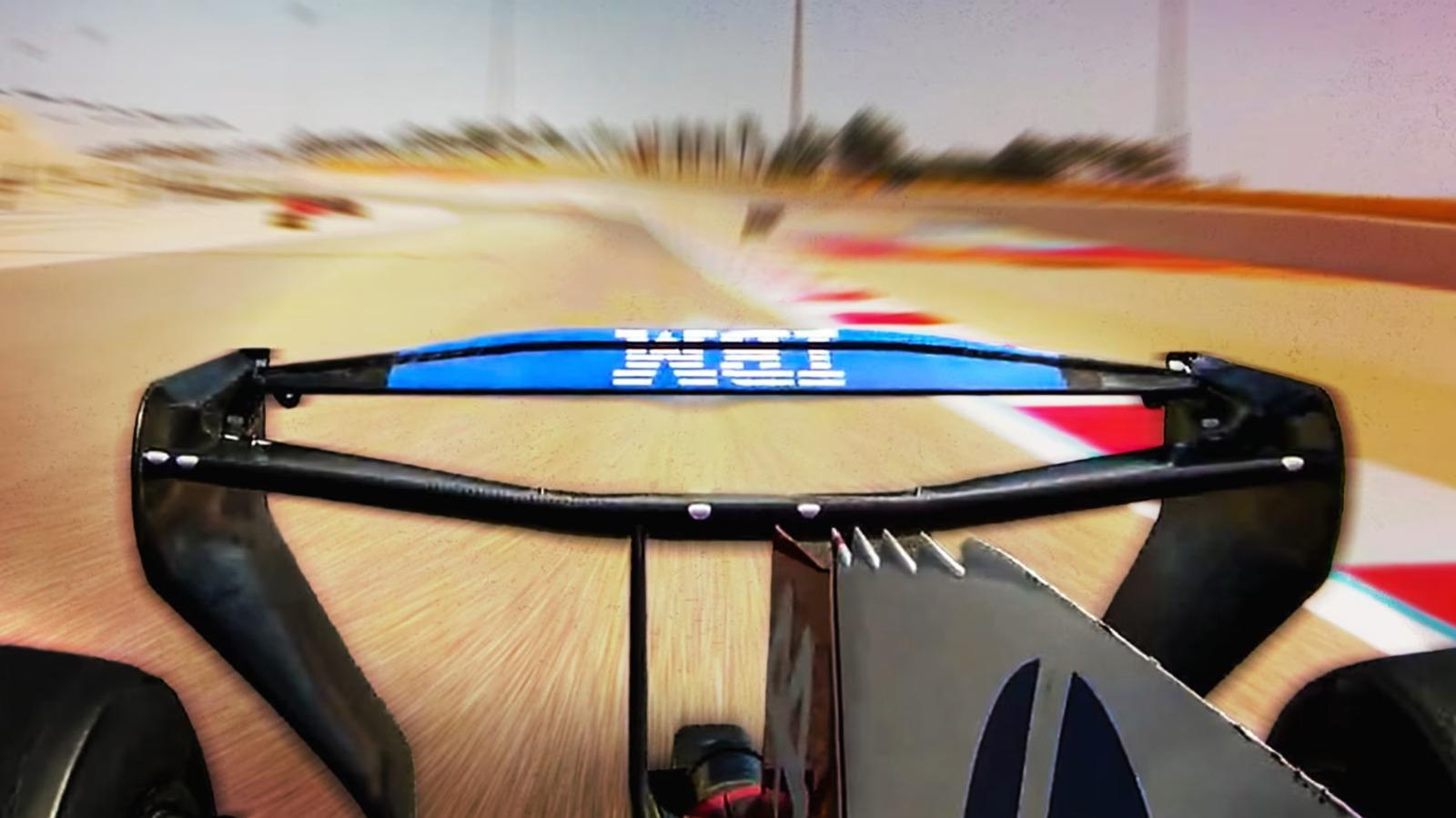
Ferrari’s 2026 F1 ‘Flippy Wing’ Design: Can it Outpace Mercedes and Red Bull?
Image: Ferrari’s 2026 F1 ‘Flippy Wing’ Design: Can it Outpace Mercedes and Red Bull? – Performance and Specifications
- Advertisement -
The world of Formula 1 is currently a whirlwind of speculation, with engineers and aerodynamicists putting pins and red string on cork boards to decipher Ferrari’s latest moves. As we approach the massive 2026 regulation change, the Scuderia is rumored to be perfecting a ‘flippy wing’—a sophisticated active aerodynamics system designed to reclaim their throne from Mercedes and Red Bull. With a development cost cap strictly set at $135 million per season, every millimetre of carbon fiber must justify its weight in gold. Ferrari is betting big on ‘X-mode’ and ‘Z-mode’ aerodynamics to ensure Lewis Hamilton and Charles Leclerc have the fastest machinery on the grid.
The Evolution of Active Aerodynamics: What is the ‘Flippy Wing’?
The term ‘flippy wing’ refers to the FIA’s new mandate for active aerodynamics in 2026. Unlike the current DRS (Drag Reduction System) which only affects the rear wing, the 2026 Ferrari F1 car will feature synchronized movable front and rear wings. In ‘X-mode’ (low drag), the wings flatten to maximize top speed on straights. In ‘Z-mode’ (high downforce), the wing elements ‘flip’ up to provide maximum grip through corners. Ferrari’s implementation is rumored to use a unique hydraulic actuator system that transitions faster than its rivals, potentially offering a crucial advantage during overtaking maneuvers.
- Advertisement -
2026 Performance: The Hybrid Power Unit Reset
The 2026 Ferrari power unit will see a shift toward a 50/50 split between internal combustion and electric power. While the MGU-H is being scrapped, the MGU-K will nearly triple its output to 350kW. Ferrari fans on technical forums are praising the brand’s early testing benchmarks, though concerns remain regarding the total weight of the battery pack. The ‘flippy wing’ is essential here; without it, the high-drag 2026 cars would run out of electrical energy halfway down the straights of Monza.
Interior Tech: The 2026 Driver Cockpit
Inside the 2026 Ferrari cockpit, the steering wheel is becoming a supercomputer. Drivers will need to manage the transition between aero modes manually if the automated sensors fail. Ferrari’s ‘Next-Gen’ steering wheel features an OLED haptic display and revised paddle shifters for the active aero. Safety remains paramount, with the 2026 chassis undergoing rigorous FIA crash testing to accommodate the larger battery cells and the new side-impact structures designed to withstand higher velocity collisions.
Comparative Analysis: 2026 Title Contenders
How does the Ferrari 2026 challenger stack up against its primary rivals, Mercedes and Red Bull? The following table compares the projected specifications based on FIA technical drafts.
- Advertisement -
| Feature | Ferrari F1 (2026) | Mercedes W17 | Red Bull RB22 |
|---|---|---|---|
| Aero Concept | Advanced Active ‘Flippy’ Wing | Integrated Beam Wing Aero | High-Efficiency Venturi |
| Power Unit | Ferrari 068/2 (Hybrid) | Mercedes-AMG High Performance | Red Bull-Ford Powertrains |
| Estimated Top Speed | 355 km/h (X-mode) | 352 km/h | 358 km/h |
| Driver Lineup | Hamilton / Leclerc | Russell / Antonelli | Verstappen / TBD |
| Key Advantage | Aero Transition Speed | Energy Recovery Efficiency | Floor Ground Effect |
Technical Specifications: Ferrari 2026 Project
Below is the detailed breakdown of the technical components expected to be found in the Maranello-based car for the 2026 season.
| Component | Specification Detail | ||
|---|---|---|---|
| Chassis | Carbon-fiber Honeycomb Composite | Engine Displacement | 1.6-liter V6 Turbocharged |
| Electric Power (MGU-K) | 350 kW (470 hp) | ||
| Total Horsepower | Estimated 1,000+ hp | ||
| Weight | 722 kg (excluding fuel) | ||
| Active Aero Modes | X-mode (Low Drag) / Z-mode (High Downforce) |
Development & Operational Costs
While you cannot buy a Ferrari F1 car at a local dealership, the costs involved in the 2026 campaign are astronomical, yet strictly regulated under the FIA Cost Cap.
| Cost Category | Estimated Expenditure (Annual) |
|---|---|
| FIA Cost Cap Limit | $135,000,000 |
| Power Unit Supply (for customers) | $15,000,000 |
| Driver Salaries (Exempt) | $60,000,000 – $100,000,000 |
| Entry Fee (per team) | $600,000 + points based fee |
People Also Ask: Ferrari 2026 F1 FAQs
- What is the 2026 F1 ‘Flippy Wing’? It is an active aerodynamic system where both front and rear wings move to balance drag and downforce.
- When do the new F1 rules start? The new technical and power unit regulations begin in the 2026 season.
- Will Lewis Hamilton drive for Ferrari in 2026? Yes, Hamilton has signed a multi-year deal starting in 2025, covering the 2026 regulation change.
- Is the 2026 F1 car slower? Simulators suggest they may be slower in corners but faster on straights due to ‘X-mode’.
- What is ‘X-mode’ in F1? It is the low-drag configuration for straight-line speed.
- Will Ferrari build its own 2026 engine? Yes, Ferrari is one of the registered power unit manufacturers.
- Are 2026 F1 cars AWD? No, they remain Rear-Wheel Drive (RWD).
- What happens if the flippy wing fails? The FIA requires a ‘fail-safe’ mode where wings default to high downforce for safety.
- How much electric power do 2026 cars have? They have nearly 50% electric power, approx 350kW from the MGU-K.
- Can Mercedes beat Ferrari in 2026? Mercedes is historically strong with engine transitions, making them a top threat.
Verdict: Should You Be Excited for the Ferrari 2026 Era?
If you are a fan of technical innovation and high-stakes racing, the answer is a resounding yes. Ferrari’s ‘flippy wing’ represents the cutting edge of automotive engineering. While there are concerns about the complexity of active aero leading to ‘dirty air’ issues, the potential for high-speed tactical battles is immense.
- Advertisement -
Pros:
– Massive top-speed gains on straights.
– Strategic depth with X and Z modes.
– The strongest driver lineup in decades (Hamilton/Leclerc).
Cons:
– High mechanical complexity could lead to DNFs.
– Heavy battery packs may affect low-speed agility.
– High development pressure under the cost cap.
- Advertisement -