The Rise of Viral Destructive Testing: Why Your Engine is Not a Laboratory
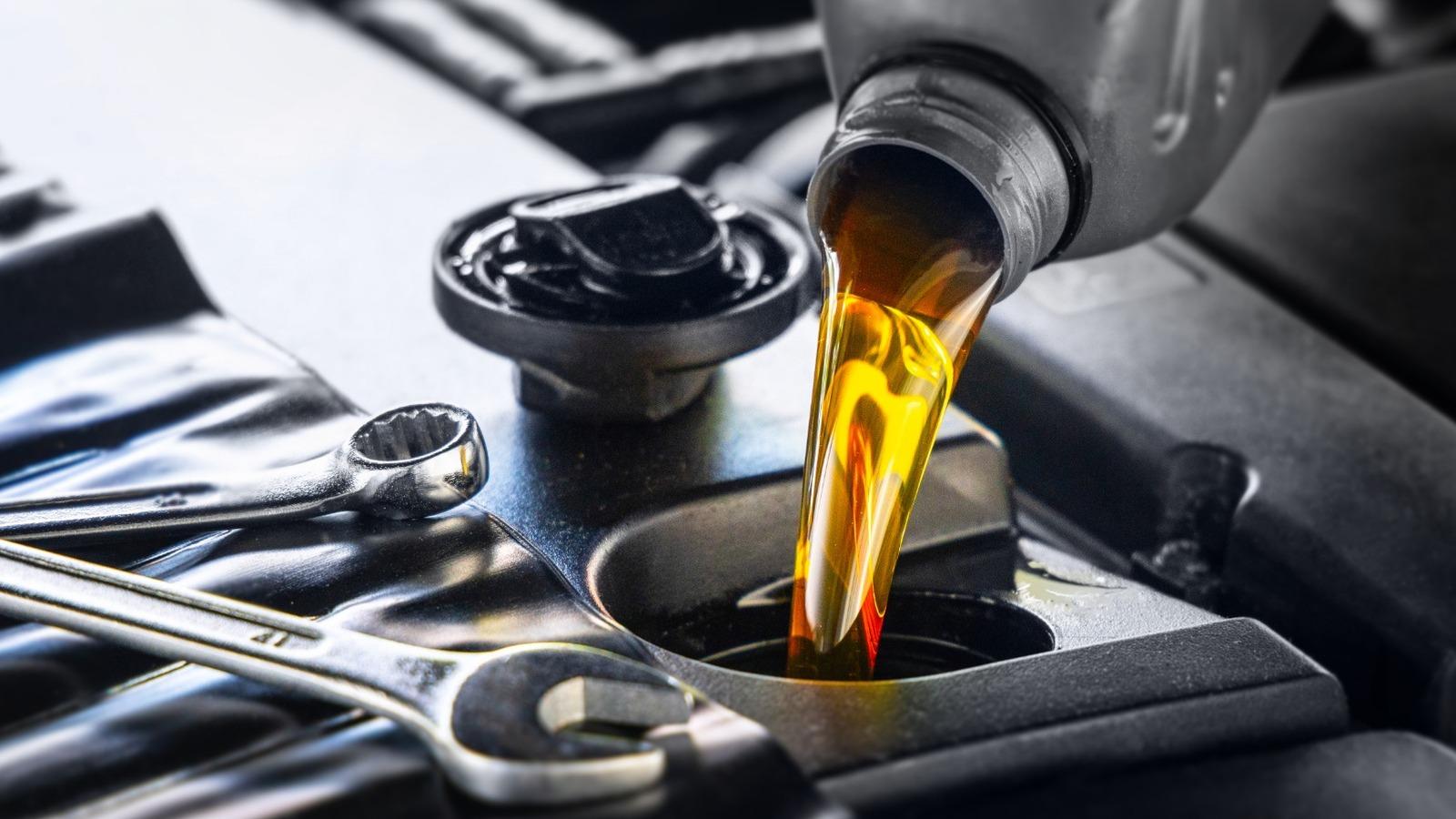
Why Alternatives Fail: The Scientific Reasons These Substances Don’t Cool As Well As Motor Oil (2026 Edition)
Image: Why Alternatives Fail: The Scientific Reasons These Substances Don’t Cool As Well As Motor Oil (2026 Edition) – Performance and Specifications
- Advertisement -
In the high-stakes world of social media, YouTubers and automotive ‘influencers’ have turned engine destruction into a genre of its own. We have all seen the thumbnails: ‘Can an engine run on Coca-Cola?’ or ‘Replacing motor oil with honey!’ While these videos garner millions of views, they mask a dangerous misunderstanding of thermodynamics and chemical engineering. In 2026, as engines become more compact and operate at higher thermal efficiencies, the ‘price’ of these stunts has skyrocketed. A typical engine replacement for a modern hybrid or turbocharged vehicle can cost anywhere from $8,000 to $15,000—a heavy price for a few clicks.
The Multi-Functional Nature of Modern Motor Oil
To understand why substances like water, cooking oil, or soda fail, we must first recognize that motor oil is not just a lubricant. In 2026, high-performance synthetic oils, such as the latest GTL (Gas-to-Liquid) formulations, perform four critical tasks simultaneously: lubrication, cooling, cleaning, and sealing.
- Advertisement -
1. Thermal Conductivity and Specific Heat Capacity
While water actually has a higher specific heat capacity than oil—meaning it can absorb more heat per gram—it fails as a coolant inside the engine block for one major reason: the boiling point. Motor oil is designed to remain stable at temperatures exceeding 200°C (392°F). Substances like soda or water-based liquids boil off, creating steam pockets that lead to ‘hot spots,’ causing the metal to warp almost instantly.
2. Viscosity Index: The Shield Against Friction
Viscosity is a fluid’s resistance to flow. YouTubers often use honey or syrup, thinking the ‘thickness’ will protect the engine. However, viscosity must change predictably with temperature. Motor oil uses viscosity index improvers that allow it to stay thin enough for a cold start but thick enough to protect at 3,000 RPM. Honey, by contrast, caramelizes and turns into a solid carbon mass under heat, seizing the pistons.
3. The Role of Chemical Additives
Modern 2026 oil standards (like the updated API SP+ and ILSAC GF-7) include detergents and dispersants. These chemicals hold microscopic soot particles in suspension. Alternative substances lack these, leading to immediate sludge buildup that blocks the oil galleries, starving the crankshaft of any fluid whatsoever.
- Advertisement -
4. Shear Stability and Molecular Integrity
Inside an engine, fluids are subjected to ‘shearing’—the process of being squeezed between two moving metal surfaces at high pressure. Motor oil molecules are engineered to resist being torn apart. Vegetable oils and sugary drinks have weak molecular structures that ‘shear’ immediately, leaving metal-on-metal contact.
5. Corrosion Inhibition and Seal Compatibility
Engine gaskets are made of specific elastomers. Motor oil is chemically neutral to these seals. However, substances like vinegar or soda are highly acidic or reactive, causing seals to swell, shrink, or dissolve within minutes, leading to catastrophic internal leaks.
The Comparison: Motor Oil vs. Viral ‘Stunt’ Alternatives
The following table illustrates why standard engine lubricants are superior to the common substances used in viral videos.
- Advertisement -
| Property | Synthetic Motor Oil (2026) | Vegetable/Cooking Oil | Soda/Sugary Liquids |
|---|---|---|---|
| Boiling Point | 230°C+ | 200°C (Degrades) | 100°C (Boils) |
| Viscosity Stability | High (Multi-grade) | Poor (Thickens/Gums) | Non-existent |
| Lubricity (COF) | 0.03 – 0.05 | 0.08 (Degrades) | N/A (Corrosive) |
| Cleaning Agents | Detergents Included | None | Acids/Sugars |
| Operating Life | 10,000+ Miles | < 5 Minutes | < 1 Minute |
Technical Specifications of 2026 High-Performance Lubricants
For those interested in the engineering side, here is the technical profile of a standard 2026-grade synthetic oil designed for high-heat environments.
| Metric | Standard Value | Performance Impact |
|---|---|---|
| SAE Grade | 0W-8 / 0W-12 | Fuel Efficiency & Cold Start |
| Flash Point | 242°C | Fire Prevention |
| Pour Point | -45°C | Winter Fluidity |
| TBN (Total Base Number) | 8.5 | Acid Neutralization |
| VI (Viscosity Index) | 170+ | Temperature Versatility |
People Also Ask (FAQ)
- Can I use cooking oil as a temporary engine oil? No. Cooking oil oxidizes rapidly, creating a varnish that ruins engine tolerances.
- Why does soda destroy an engine so fast? The sugar caramelizes into a sticky carbon, and the phosphoric acid corrodes metal bearings.
- Is water a better coolant than oil? Only in a dedicated radiator system. Inside the engine, it lacks the necessary lubrication and boils off too quickly.
- What happens if I mix different brands of oil? In 2026, most synthetic oils are compatible, but it is always best to stick to one brand’s additive package.
- What is the most common reason for engine seizure in stunts? Loss of oil pressure due to the substance boiling or turning into sludge.
- Can electric vehicle (EV) motors run without oil? No, many EVs use specialized ‘e-fluids’ for cooling the copper windings and lubricating the reduction gears.
- Does synthetic oil ever expire? Most 2026 formulations have a shelf life of 5 years if sealed.
- Why is 0W-8 oil so popular now? It reduces internal drag, which is essential for meeting 2026 emissions and fuel economy standards.
- Are bio-based engine oils good? Yes, modern bio-synthetics perform as well as petroleum-based synthetics but with a lower carbon footprint.
- Is it okay to use ‘stop-leak’ additives? Generally no, as they can clog the small oil channels found in modern variable valve timing (VVT) systems.
Verdict: Should You Experiment with Your Engine?
Pros of Using Correct Motor Oil: Longevity, 10-year warranties, peak fuel economy, and engine protection.
Cons of Using Alternatives: Immediate engine failure, voided warranty, and potential fire hazards.
The science is clear: Motor oil is a highly engineered chemical tool. While it may look like a simple fluid, it is the result of decades of molecular research. Substituting it with household liquids is not a ‘hack’—it is a death sentence for your vehicle. Stick to the manufacturer’s recommendations and leave the stunts to the professionals with scrap-yard budgets.
- Advertisement -