The 2026 F1 Revolution: More Than Just New Engines
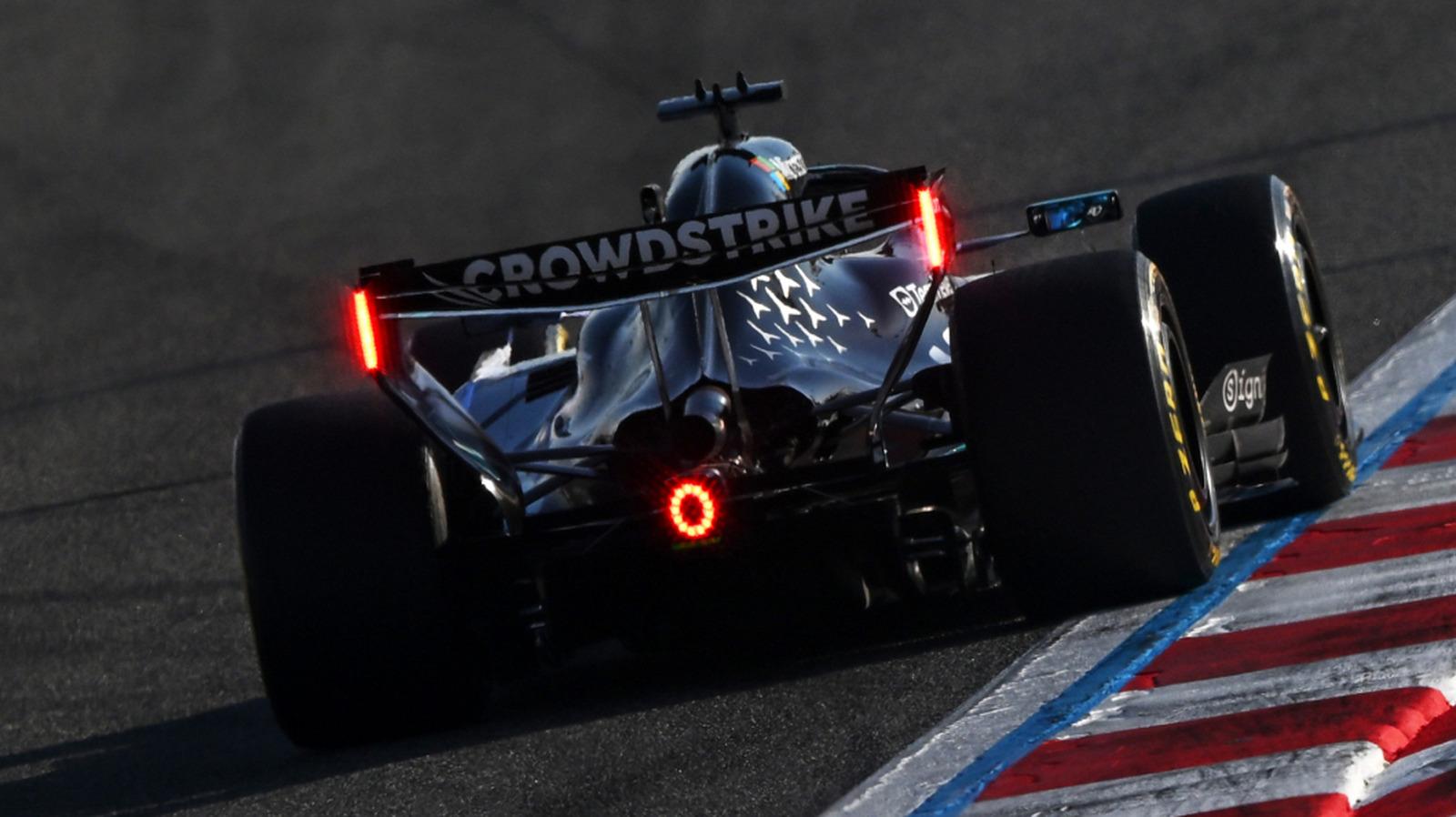
F1 2026 Regulation Overhaul: Why New Car Lights Are a Literal Life-Saver
Image: F1 2026 Regulation Overhaul: Why New Car Lights Are a Literal Life-Saver – Performance and Specifications
Advertisement
Formula 1 is entering a brave new world in 2026. While fans are eagerly anticipating the shift to a 50/50 power split between internal combustion and electric energy, a more subtle but crucial change is happening on the exterior of the cars. As the FIA moves toward a ‘nimble car’ concept, safety and communication have taken center stage. To get into the cockpit of one of these engineering marvels, teams will be looking at a Power Unit supply price capped at approximately $15 million annually, while the cost to develop these machines remains under the strict $135 million cost cap.
The most visible change for 2026? A sophisticated new lighting system. With five total lights now integrated into every F1 car—two at the front and three at the back—these aren’t just for show. They serve as a critical communication link between drivers, telling them exactly what the car in front is doing in real-time.
Advertisement
The Science of the Five-Light System
Historically, F1 cars featured a single rear rain light. In recent years, this evolved into two lights on the rear wing endplates. For the 2026 season, the FIA is mandating a five-light configuration: two located at the front (near the nose or front wing endplates) and three at the rear (central and endplates). These lights serve multiple purposes, including signaling when a driver is harvesting energy (ERS), when the car is in a ‘safe’ mode, or when weather conditions require high visibility.
Front-Facing Lights: A Game Changer for Safety
One of the biggest complaints from drivers in recent years has been the lack of visibility during heavy spray in wet races. The new front-facing lights are designed to pierce through the mist, allowing a trailing driver to judge the distance to the car ahead more accurately. Furthermore, these lights will signal to the driver ahead if the car behind is using an ‘overtake’ mode or if they are in a critical energy-harvesting state, reducing the risk of high-speed rear-end collisions.
Active Aerodynamics and the ‘X-Mode’
The 2026 cars will feature active aerodynamics, moving away from the traditional DRS (Drag Reduction System). Instead, cars will have ‘Z-mode’ for high downforce in corners and ‘X-mode’ for low drag on straights. The new lighting system is expected to integrate with these modes, flashing specific colors to indicate to stewards and fans which aero-profile the car is currently utilizing.
Advertisement
The Power Unit: 1000+ HP with Sustainable Fuel
The 2026 Power Unit (PU) drops the complex MGU-H (Motor Generator Unit – Heat) but significantly boosts the MGU-K (Motor Generator Unit – Kinetic). This means the electric output will jump from 120kW to 350kW. The new lights are essential here because they alert following drivers when a car has ‘derated’ (run out of electrical boost), preventing dangerous closing speeds on long straights.
Comparing the Generations: 2026 Spec vs. 2024 Spec
To understand how radical the 2026 changes are, we must look at how the ‘Nimble Car’ concept stacks up against the current ground-effect era.
| Feature | 2024 Current Spec | 2026 New Regulations | Formula E Gen 3 (Comparison) |
|---|---|---|---|
| Total Lights | 2 (Rear Endplates) | 5 (2 Front, 3 Rear) | Halo LED System |
| Minimum Weight | 798 kg | 768 kg | 840 kg |
| Wheelbase | 3600 mm | 3400 mm | 2970 mm |
| Power Split | 80% ICE / 20% Electric | 50% ICE / 50% Electric | 100% Electric |
| Fuel Type | E10 (10% Ethanol) | 100% Sustainable Fuel | N/A |
Technical Specifications: The 2026 F1 Concept
| Specification | Details |
|---|---|
| Engine Type | 1.6L V6 Turbocharged |
| Battery Energy Recovery | 350 kW (MGU-K) |
| Aero Concept | Active Aero (Movable Front/Rear Wings) |
| Tire Size | 18-inch (Narrower profile) |
| Safety Rating | FIA 8860-2018 (Advanced Combat Standard) |
Estimated Costs for 2026 Operations
| Cost Category | Estimated Price (USD) |
|---|---|
| Power Unit Supply (Per Year) | $15,000,000 |
| New Team Entry Fee | $200,000,000 – $600,000,000 |
| Annual Cost Cap | $135,000,000 |
| Chassis Development | $25,000,000+ |
People Also Ask (FAQ)
1. Why do F1 cars need lights at the front?
Front lights improve visibility in wet conditions and signal the car’s energy status to the driver ahead and to stewards.
Advertisement
2. What do the green lights on an F1 car mean?
A green light typically indicates that the driver is a rookie or does not yet hold a full Super License, or it can signify a ‘safe’ energy state in specific test sessions.
3. Will 2026 F1 cars be slower?
Initially, lap times might be slightly slower due to reduced downforce, but the increased electric power and active aero are expected to close the gap quickly.
4. How many lights will the 2026 car have?
A total of five: two on the front wing/nose area and three at the rear.
Advertisement
5. What is the ‘X-mode’ in 2026 F1?
X-mode is the low-drag configuration where both front and rear wing flaps open to maximize straight-line speed.
6. Is the MGU-H being removed in 2026?
Yes, the MGU-H is being removed to simplify the engines and attract new manufacturers like Audi.
7. How much will a 2026 F1 engine cost?
The FIA has capped the supply price for customer teams at roughly $15 million per season.
Advertisement
8. Are the new lights used for DRS?
While DRS is being replaced by active aero, the lights will likely signal when a driver is in a ‘Manual Override’ mode for overtaking.
9. Will the cars be smaller in 2026?
Yes, the wheelbase is being shortened by 200mm and the width by 100mm to make the cars more ‘nimble.’
10. Does the 2026 F1 car use sustainable fuel?
Yes, the 2026 regulations mandate 100% advanced sustainable fuels, making the ICE carbon-neutral.
Advertisement
Verdict: Is the 2026 F1 Car a Step Forward?
The 2026 F1 car represents the most significant safety and technical shift in the sport’s history. While some fans fear the loss of the MGU-H’s unique sound or the complexity of active aero, the addition of the new five-light system proves that the FIA is prioritizing driver safety and tactical transparency. These cars will be lighter, more agile, and significantly greener.
Pros:
– Enhanced visibility in rain thanks to front lights.
– Lighter weight (reduction of 30kg).
– Sustainable fuels make the sport future-proof.
– Better racing due to reduced ‘dirty air’.
Cons:
– Increased complexity of active aerodynamics.
– Potential for ‘energy management’ to overshadow pure driving pace.
– Initial speed deficit compared to 2024 spec.
Advertisement