The Sound of Progress or a Neighborhood Nightmare? Elon Musk’s 2026 AI Expansion
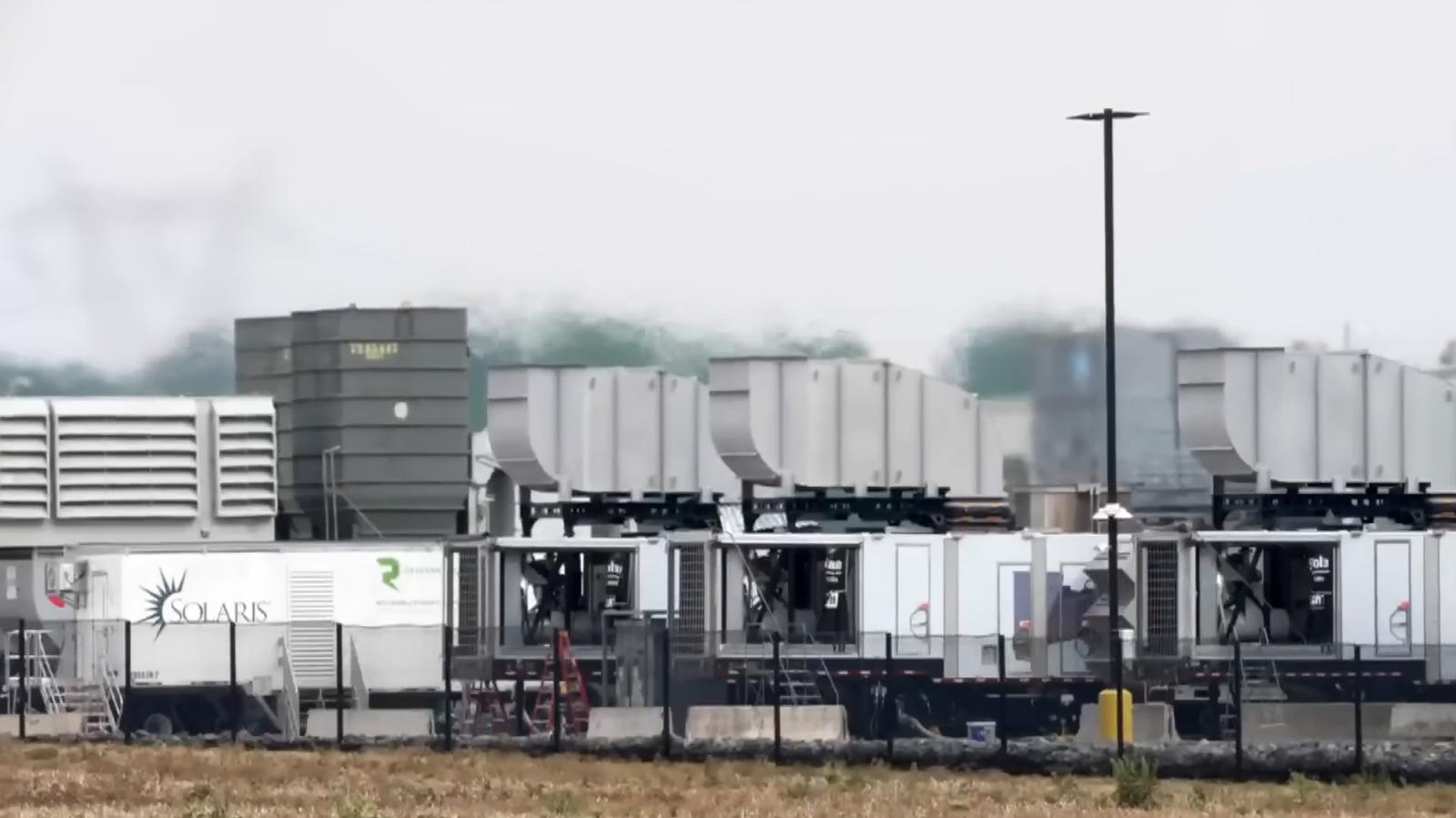
Elon Musk’s Deafening 2026 Memphis Data Center: The Full Report on xAI’s Colossus Supercomputer
Image: Elon Musk’s Deafening 2026 Memphis Data Center: The Full Report on xAI’s Colossus Supercomputer – Performance and Specifications
Advertisement
Elon Musk has never been one for subtlety, but his latest venture in Memphis, Tennessee, is taking ‘loud’ to a literal extreme. As of early 2026, the xAI ‘Colossus’ supercomputer has expanded into a multi-billion dollar infrastructure beast, with an estimated initial investment exceeding $3.5 billion. While the world marveled at the speed with which Musk’s team deployed 100,000 Nvidia H100 GPUs, the residents of Memphis are marveling at something else: the deafening roar of the mobile gas turbines powering the site. In this deep-dive report, we analyze the engineering, the noise, and the controversy surrounding the most powerful AI training center on Earth.
The Hook: Why 2026 is a Turning Point for xAI
By 2026, the xAI facility has transitioned from a temporary setup to a permanent powerhouse. To bypass the slow timeline of the local power grid (MLGW), Musk has deployed a fleet of combustion turbines. These aren’t your typical backup generators; they are massive, industrial-grade engines that provide the steady megawatt-hours required to keep ‘Grok’—Musk’s anti-woke AI—learning at a frenetic pace. However, the price for this speed is being paid by the local community in decibels.
Advertisement
Design and Infrastructure: The Industrial Aesthetic
The design of the Memphis data center follows the ‘Muskian’ philosophy: function over form, and speed above all. The site looks less like a modern tech campus and more like a high-voltage power substation integrated with a manufacturing plant. The architecture is dominated by cooling towers and the now-infamous turbine farm.
Exterior Architecture: The Turbine Forest
The exterior is characterized by the massive exhausts of the gas turbines. In 2026, the facility added another 10 units to accommodate the ‘Colossus 2’ upgrade. These units are designed for rapid deployment, allowing xAI to scale without waiting for traditional utility hookups. The visual impact is stark, industrial, and decidedly non-residential.
Interior Tech: Inside the Heart of Grok
Inside, the tech is peerless. The 2026 configuration utilizes liquid cooling for the Nvidia ‘Blackwell’ chips, which have supplemented the original H100s. The networking fabric is a proprietary evolution of InfiniBand, ensuring that data latency remains near zero across the massive cluster.
Advertisement
Performance: 2026 Benchmarks and Power Consumption
When we talk about the performance of the Memphis site, we aren’t talking about 0-60 times, but rather FLOPs (Floating Point Operations per Second). The Colossus system is now pushing towards the Zettaflop era, making it the fastest AI trainer in the world. However, this performance requires a staggering 150MW to 200MW of constant power.
The ‘Performance’ of the turbines themselves is measured in noise. Local readings in 2026 have clocked the facility at sustained levels of 85-90 decibels at the property line—comparable to standing next to a running lawnmower for 24 hours a day. Residents report that the low-frequency hum vibrates windows and prevents sleep, a byproduct of the massive air-intake systems required for combustion.
Safety and Environmental Ratings: The ‘NCAP’ of AI
While cars have NCAP, data centers have environmental and safety compliance standards. In 2026, Musk’s facility has faced scrutiny from the EPA regarding nitrogen oxide (NOx) emissions from the turbines. While the facility is technically ‘safe’ from a structural standpoint, its ‘Environmental NCAP’ rating would be low due to the reliance on fossil fuels rather than the local grid’s cleaner mix.
Advertisement
| Feature | Specification |
|---|---|
| GPU Count | 200,000+ (Nvidia H100 & Blackwell Mix) |
| Power Source | Tier 4 Mobile Gas Turbines + MLGW Grid |
| Peak Power Draw | 180 Megawatts |
| Noise Level (Avg) | 88 dB at site perimeter |
| Cooling System | Hybrid Liquid-to-Air cooling |
Comparison: Memphis Colossus vs. Microsoft and Meta Hubs
To understand the scale, we must compare Musk’s rogue approach with the traditional methods used by Microsoft (OpenAI) and Meta. While others wait 3-5 years for grid infrastructure, Musk builds his own power plant.
| Metric | xAI Memphis (Colossus) | Microsoft (Mt. Pleasant) | Meta (Luleå) |
|---|---|---|---|
| Power Strategy | On-site Gas Turbines | Grid + Nuclear (SMR) | Hydroelectric Grid |
| Deployment Speed | 122 Days (Record) | 18-24 Months | 24-36 Months |
| Community Impact | High (Noise Complaints) | Low (Industrial Zone) | Positive (Heat Reuse) |
| Primary AI Model | Grok 3 / Grok 4 | GPT-5 / GPT-6 | Llama 4 / 5 |
Variant-Wise Infrastructure Costs (Ex-Showroom Estimates)
| Component Tier | Estimated Cost (2026) | Primary Function |
|---|---|---|
| Base Turbine Array | $450 Million | Immediate 50MW Power |
| Compute Core (H100) | $2.1 Billion | Standard AI Training |
| Blackwell Expansion | $1.2 Billion | Advanced Reasoning Models |
| Noise Mitigation (Proposed) | $25 Million | Sound Walls & Silencers |
People Also Ask (FAQ)
- Why is the Memphis data center so loud? The noise comes from the gas turbines and massive cooling fans required to power and cool 100,000+ GPUs.
- Is Elon Musk using fossil fuels for AI? Yes, the facility currently relies on gas combustion turbines for a significant portion of its power.
- How does Grok benefit from this? The massive compute power allows Grok to process real-time data from X (Twitter) faster than any other LLM.
- Are there lawsuits against xAI in Memphis? Local resident groups have filed noise nuisance complaints and environmental groups are challenging the air permits.
- Can the noise be fixed? Acoustic walls and turbine silencers can reduce noise, but the scale of the facility makes complete silence impossible.
- How much power does the Colossus supercomputer use? It is estimated to use between 150MW and 200MW, enough to power over 100,000 homes.
- Why did Elon Musk choose Memphis? Primarily due to existing industrial infrastructure and the ability to rapidly secure land and initial power agreements.
- What is the 2026 ‘Colossus 2’ update? It is an expansion that integrates Nvidia’s Blackwell chips alongside the existing H100 cluster.
- Is the facility water-cooled? Yes, it uses a massive amount of water for evaporative cooling, which has also raised local utility concerns.
- Does Elon Musk live near the facility? No, Musk does not reside near the Memphis industrial site.
Verdict: Should You Support the Expansion?
The xAI Memphis data center is a double-edged sword. On one hand, it represents the absolute pinnacle of human engineering—a facility built in record time that could unlock the secrets of AGI. On the other hand, it represents a blatant disregard for local zoning and resident well-being, prioritizing ‘fire memes’ and Grok’s development over the quiet enjoyment of home life.
Pros:
Advertisement
- Unmatched AI training speeds.
- Huge local investment and high-tech job creation.
- Technological leadership for the US in the AI arms race.
Cons:
- Deafening 90dB noise levels for nearby residents.
- High carbon footprint due to gas turbine reliance.
- Strains local water and power infrastructure.
Final Verdict: While the tech is 10/10, the community relations are 2/10. Until Musk invests in serious noise mitigation, the Memphis site remains a ‘Buyer Beware’ for the city of Memphis.
Advertisement