The End of an Era: Why the New Routemaster is Retiring in 2026
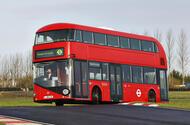
Goodbye Boris Bus: The 2026 Retirement of London’s Iconic New Routemaster Explained
Image: Goodbye Boris Bus: The 2026 Retirement of London’s Iconic New Routemaster Explained – Performance and Specifications
Advertisement
London is preparing to bid a final farewell to one of its most controversial yet recognizable icons: the New Routemaster, colloquially known as the ‘Boris Bus’. Two decades after the original AEC Routemaster was pulled from regular service, its modern successor is facing the same fate. Launched in 2012 with a price tag of approximately £354,000 per unit, these diesel-hybrid giants are being phased out in favor of zero-emission technology. As we look toward the 2026 transport landscape, the shift highlights a massive transition in urban mobility, moving away from hybrid complexities toward pure-electric efficiency.
Design and Engineering: A Legacy of Collaboration
The Autocar Connection
Few realize that the New Routemaster was born from a unique collaboration between Wrightbus, Heatherwick Studio, and the automotive experts at Autocar. The design goal was to recapture the charm of the 1950s original while meeting modern safety and accessibility standards. It featured a three-door, two-staircase layout intended to speed up boarding times—a feature that became a hallmark of London’s busiest routes.
Advertisement
Aesthetics vs. Real-World Functionality
While the bus looked futuristic with its wrapping glass and sleek curves, the design faced immediate criticism. In the summer months, the lack of opening windows and a struggling air conditioning system earned it the nickname ‘the mobile sauna.’ By 2026, the replacement models have addressed these ergonomic failures with advanced climate control systems and modular window designs that ensure passenger comfort even during heatwaves.
Performance and the Shift to 2026 EV Standards
The New Routemaster utilized a 4.5-liter Cummins diesel engine paired with an electric motor. However, by 2026 standards, this hybrid system is considered cumbersome and maintenance-heavy. London Mayor Sadiq Khan has prioritized a 100% zero-emission fleet, leading to the early retirement of these hybrids. The 2026 replacements, such as the Wrightbus StreetDeck Electroliner, offer a silent, vibration-free ride that the old diesel-hybrids could never match.
Comparing the Icons: Boris Bus vs. 2026 Electric Rivals
In the following table, we compare the retiring New Routemaster with the two primary vehicles replacing it on London’s streets in 2026.
Advertisement
| Feature | New Routemaster (Retiring) | Wrightbus StreetDeck Electroliner | BYD ADL Enviro400EV |
|---|---|---|---|
| Powertrain | Diesel-Hybrid | Pure Electric | Pure Electric |
| Battery Capacity | Approx. 75 kWh (Hybrid) | 454 kWh | 382 kWh |
| Range | N/A (Fuel Dependent) | Up to 200 miles | Up to 160 miles |
| Zero Emissions? | No | Yes | Yes |
| Est. Unit Cost (2026) | £354,000 (Historic) | £450,000+ | £430,000+ |
Technical Specifications and Maintenance
The technical architecture of the New Routemaster was complex. Its battery packs often failed prematurely, forcing the diesel engine to run constantly, which defeated the purpose of a low-emission hybrid. The 2026 fleet utilizes LFP (Lithium Iron Phosphate) battery chemistry, which is significantly more durable for the stop-start nature of London traffic.
| Specification | New Routemaster Details |
|---|---|
| Engine | 4.5L Cummins ISBe 4-cylinder |
| Top Speed | 50 mph (Limited) |
| Passenger Capacity | 80-87 passengers |
| Length | 11.23 Meters |
| Transmission | Electric Drive with Regenerative Braking |
| Chassis | Wrightbus Integral Design |
Interior Tech and Passenger Amenities
Inside, the New Routemaster was a blend of retro and modern. It featured wooden-effect flooring and mood lighting. However, the 2026 replacements have raised the bar with USB charging ports at every seat, high-definition digital signage for route updates, and 5G-enabled Wi-Fi for commuters. The ‘hop-on, hop-off’ rear platform, which required a second conductor, was largely abandoned due to cost, making the triple-door layout of the newer EVs more practical for modern one-person operations.
Safety Standards and NCAP Ratings
While public buses aren’t traditionally rated by Euro NCAP in the same way as passenger cars, the New Routemaster met all stringent UK PSV (Public Service Vehicle) standards. However, the 2026 models feature the latest ‘Safety Standard’ requirements from TfL, including Intelligent Speed Assist (ISA), Advanced Emergency Braking (AEB), and camera-monitoring systems that eliminate blind spots for drivers—technologies that were in their infancy when the Boris Bus was designed.
Advertisement
People Also Ask (FAQ)
- Why is the Boris Bus being retired? It is being replaced by zero-emission electric buses to meet London’s 2030 climate goals.
- Who designed the New Routemaster? It was designed by Heatherwick Studio and Wrightbus, with input from Autocar magazine.
- Does the Boris Bus have air conditioning? Yes, but it was notoriously underpowered, leading to overheating issues.
- How much did a Boris Bus cost? Each bus cost roughly £354,000 at the time of purchase.
- Can you still hop on and off? No, the open rear platform was closed off for safety and to eliminate the need for a second conductor.
- What replaces the New Routemaster in 2026? Models like the Wrightbus Electroliner and BYD ADL Enviro400EV are the primary replacements.
- Are Boris Buses being scrapped? Some are being sold to regional operators, while others are being repurposed or stripped for parts.
- Why was it called the ‘Boris Bus’? Because it was commissioned by then-Mayor Boris Johnson as a campaign promise.
- Is the new 2026 electric bus better? Yes, they offer zero tailpipe emissions, better reliability, and improved passenger tech.
- Will any Routemasters remain? Only on heritage or tourist routes; they will no longer serve major commuter lines by the late 2020s.
Verdict: Should London Regret the Retirement?
The New Routemaster was a bold attempt to bring character back to London’s streets, but it was ultimately a vehicle of compromise. Its hybrid system was neither fully green nor fully efficient, and its high maintenance costs became a burden on taxpayers.
Pros
- Iconic, retro-modern design that defined London’s skyline.
- Three-door layout improved passenger flow in high-traffic areas.
- Improved disability access compared to the original Routemaster.
Cons
- Overheating interiors due to poor ventilation design.
- High maintenance costs for the complex hybrid powertrain.
- Relatively heavy compared to modern pure-electric alternatives.
Final Thoughts: As we transition into 2026, the retirement of the Boris Bus marks the final step toward a cleaner, quieter London. While we will miss its unique silhouette, the superior technology and environmental benefits of the new electric fleet make this a necessary evolution.
Advertisement