The High-Stakes Decision: Dealership Service vs. Safelite Convenience
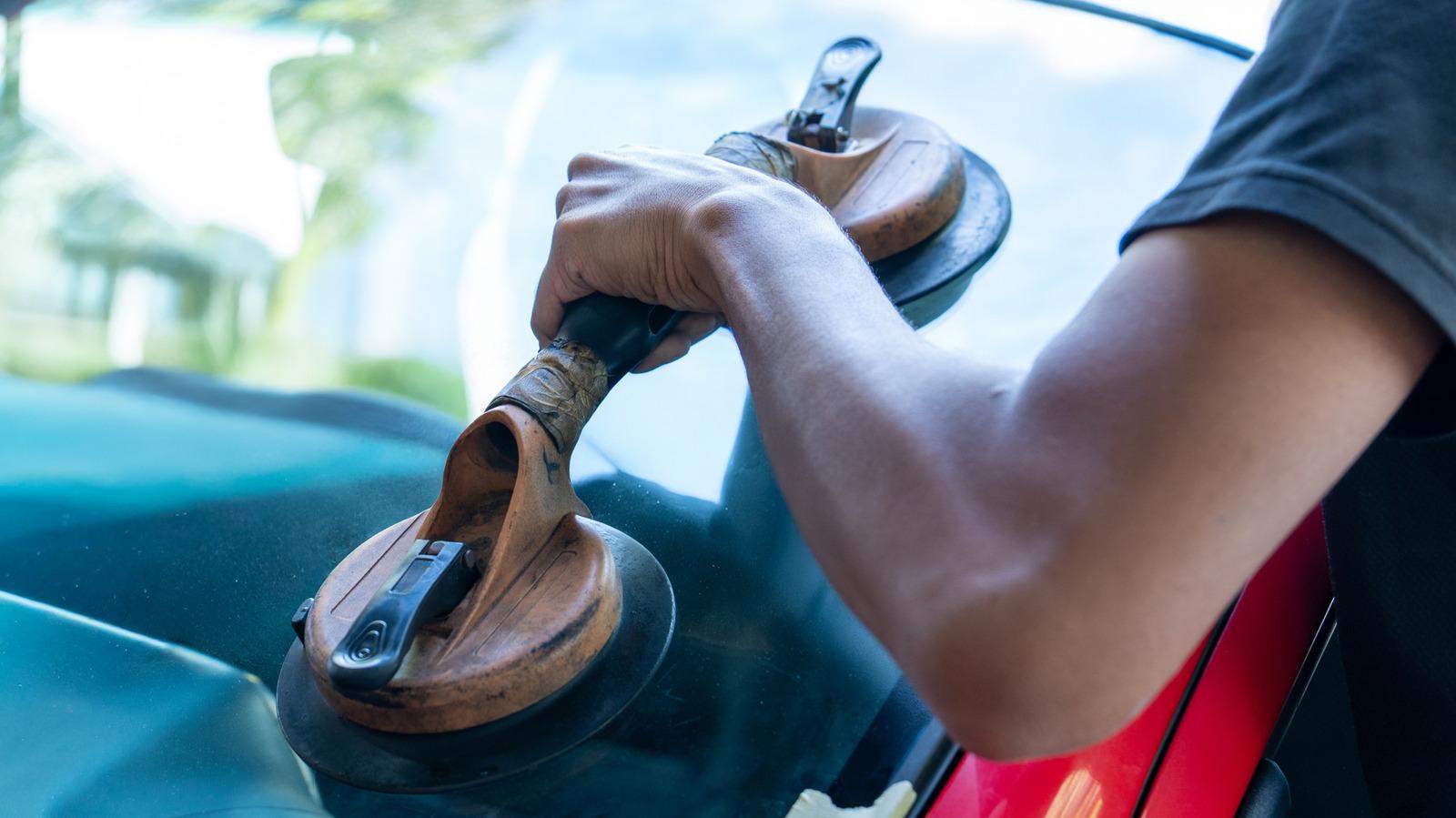
Dealer vs. Safelite Windshield Replacement: 2026 Cost, Tech, and Safety Guide
Image: Dealer vs. Safelite Windshield Replacement: 2026 Cost, Tech, and Safety Guide – Performance and Specifications
Advertisement
It starts with a tiny ‘ping’ on the highway and ends with a spiderweb crack stretching across your field of vision. In 2026, a windshield is no longer just a piece of glass; it is a sophisticated structural component packed with Augmented Reality (AR) Heads-Up Displays (HUD), LiDAR sensors, and multi-layer acoustic insulation. When the inevitable happens, you face a critical fork in the road: do you head to the dealership or call Safelite?
The Price Factor: For a standard replacement in 2026, expect to pay between $450 and $950 at Safelite, while dealership prices for high-tech vehicles can soar from $1,200 to over $3,500 depending on the sensor suite integration.
Advertisement
The Core Battle: OEM vs. OEE Glass Quality
The Gold Standard: OEM (Original Equipment Manufacturer)
When you choose a dealership, you are almost guaranteed OEM glass. This is the exact same glass your car was born with, featuring the manufacturer’s logo (like BMW, Toyota, or Tesla) in the corner. In 2026, OEM glass is critical for vehicles with Level 3 ADAS (Advanced Driver Assistance Systems) because the optical clarity required for cameras is calibrated to specific glass thickness and curvature tolerances.
The Budget Alternative: OEE (Original Equipment Equivalent)
Safelite often uses OEE glass, manufactured by third-party companies like Pilkington or PGW. While these companies often manufacture the OEM glass too, the ‘aftermarket’ version may lack the car brand’s logo. While it meets DOT safety standards, some enthusiasts argue that OEE glass can occasionally have slight distortions at the edges or different tint levels compared to factory glass.
The Performance of Acoustic and Solar Glass
Modern 2026 EVs require specialized acoustic glass to keep the cabin quiet in the absence of engine noise. Dealers specialize in matching these specific SKU requirements, whereas some aftermarket providers may install a ‘standard’ thickness glass that increases wind noise, a common complaint among new EV owners.
Advertisement
The Calibration Crisis: Why 2026 Tech Changes Everything
ADAS and Sensor Re-alignment
Your windshield is the ‘eye’ of your car. Behind the rearview mirror sits a suite of cameras for Lane Keep Assist, Emergency Braking, and Adaptive Cruise Control. If the glass is replaced, these cameras must be recalibrated. Dealerships use static calibration (using specialized targets in a controlled bay), which is widely considered the most precise method for 2026 high-performance sensors.
Mobile Service vs. Controlled Environments
Safelite’s biggest ‘Pro’ is their mobile service. However, 2026 tech often requires ‘Dynamic Calibration,’ where the technician drives the car to reset sensors. Users on forums frequently report that if the weather is poor or the road markings are faint, mobile calibration can fail, requiring a follow-up trip to a physical Safelite shop anyway.
The Warranty and Insurance Tug-of-War
Most insurance companies prefer Safelite because of their lower negotiated rates. However, if you have a leased vehicle, your contract may mandate OEM glass. Failing to use a dealer for replacement could result in heavy ‘excess wear and tear’ fees when you return the car at the end of the lease.
Advertisement
| Feature | Dealership (OEM) | Safelite (OEE/Aftermarket) | Local Independent Shop |
|---|---|---|---|
| Average Cost | $1,200 – $3,500 | $450 – $950 | $350 – $800 |
| Glass Type | Original Manufacturer | OEE / Aftermarket | Generic / OEE |
| Calibration Method | Static (In-Shop) | Dynamic (Mobile/Shop) | Varies (Often Subcontracted) |
| Turnaround Time | 2-5 Days | Same Day / Next Day | 1-2 Days |
| Convenience | Low (Requires Drop-off) | High (Mobile Van) | Medium |
| Warranty | Manufacturer Backed | Nationwide Lifetime | Varies by Shop |
Technical Specifications of 2026 Windshield Tech
| Specification | Entry-Level Glass | Mid-Range / Luxury | High-End / EV / Performance |
|---|---|---|---|
| Material | Laminated Safety Glass | Acoustic Laminated | Gorilla Glass / Thin-Ply |
| HUD Compatibility | No | Standard HUD | Augmented Reality (AR) HUD |
| Heat Rejection | Basic Tint | Solar Reflective Coating | Infrared (IR) Cut Coating |
| Sensor Support | Basic Rain Sensor | Level 2 ADAS Cameras | LiDAR & Level 3 ADAS |
| Weight Reduction | Standard (12kg+) | Optimized (10kg) | Lightweight Tech (7.5kg) |
2026 Estimated Replacement Costs by Vehicle Category
| Vehicle Type | Example Model | Estimated Dealer Price | Estimated Safelite Price |
|---|---|---|---|
| Budget Compact | Honda Civic / Toyota Corolla | $850 | $420 |
| Luxury SUV | BMW X5 / Mercedes GLE | $2,400 | $1,100 |
| Electric Vehicle (EV) | Tesla Model 3 / Hyundai Ioniq 6 | $1,500 | $850 |
| Supercar / Exotic | Porsche 911 / Corvette Z06 | $4,000+ | Not Recommended |
People Also Ask (FAQ)
1. Does Safelite use OEM glass?
Rarely by default. They use OEE (Original Equipment Equivalent). You can request OEM glass through Safelite, but your insurance may require you to pay the price difference out of pocket.
2. Will a non-dealer replacement void my car warranty?
No, thanks to the Magnuson-Moss Warranty Act. However, if a non-OEM windshield causes a sensor failure, the manufacturer may refuse to cover that specific sensor repair.
3. Why is the dealer so much more expensive?
Dealers have higher labor rates and use branded glass. They also perform static calibration, which requires expensive specialized equipment and a dedicated bay space.
Advertisement
4. Can Safelite calibrate my Tesla’s cameras?
Yes, Safelite has invested heavily in software to calibrate most modern EVs, including Teslas, though some users prefer Tesla Service Centers for peace of mind.
5. Is mobile glass replacement safe in the winter?
The urethane adhesive used to bond the glass needs specific temperatures to cure. In 2026, many mobile techs use heated blankets for the adhesive, but a heated shop is always safer.
6. How long should I wait to drive after replacement?
You should wait at least one hour for the adhesive to reach a ‘Safe Drive-Away Time’ (SDAT). Full curing takes 24-48 hours.
Advertisement
7. What happens if my ADAS isn’t calibrated correctly?
Your car may give false collision warnings, or worse, fail to brake in an emergency. Proper calibration is a life-safety requirement.
8. Does Safelite offer a warranty?
Yes, Safelite offers a nationwide lifetime warranty against defects in materials or workmanship and leaks.
9. Can a rock chip be repaired instead of replaced?
If the chip is smaller than a dollar bill, it can usually be repaired for $150 or less, saving the factory seal.
Advertisement
10. Is insurance glass coverage worth it?
Absolutely. With 2026 windshields costing upwards of $2,000, a $0 or $100 glass deductible is a smart financial move.
Verdict: Should You Go to the Dealer or Safelite?
Choose the Dealership if: You drive a luxury vehicle with an AR-HUD, you have a lease agreement requiring OEM parts, or your car features Level 3 autonomous driving sensors that require precise static calibration.
Choose Safelite if: You are looking for the most cost-effective solution, your insurance covers them fully, you need the convenience of a mobile repair at your office, and your car is a standard model with Level 1 or 2 ADAS.
Advertisement
Pros:
– Dealer: Perfect fit, OEM quality, expert calibration.
– Safelite: Speed, mobile service, insurance integration.
Cons:
– Dealer: Expensive, slow, no mobile options.
– Safelite: Aftermarket glass quality can vary, mobile calibration risks.
Advertisement