The Science of Sub-Zero: Why Automakers Head to the Ends of the Earth
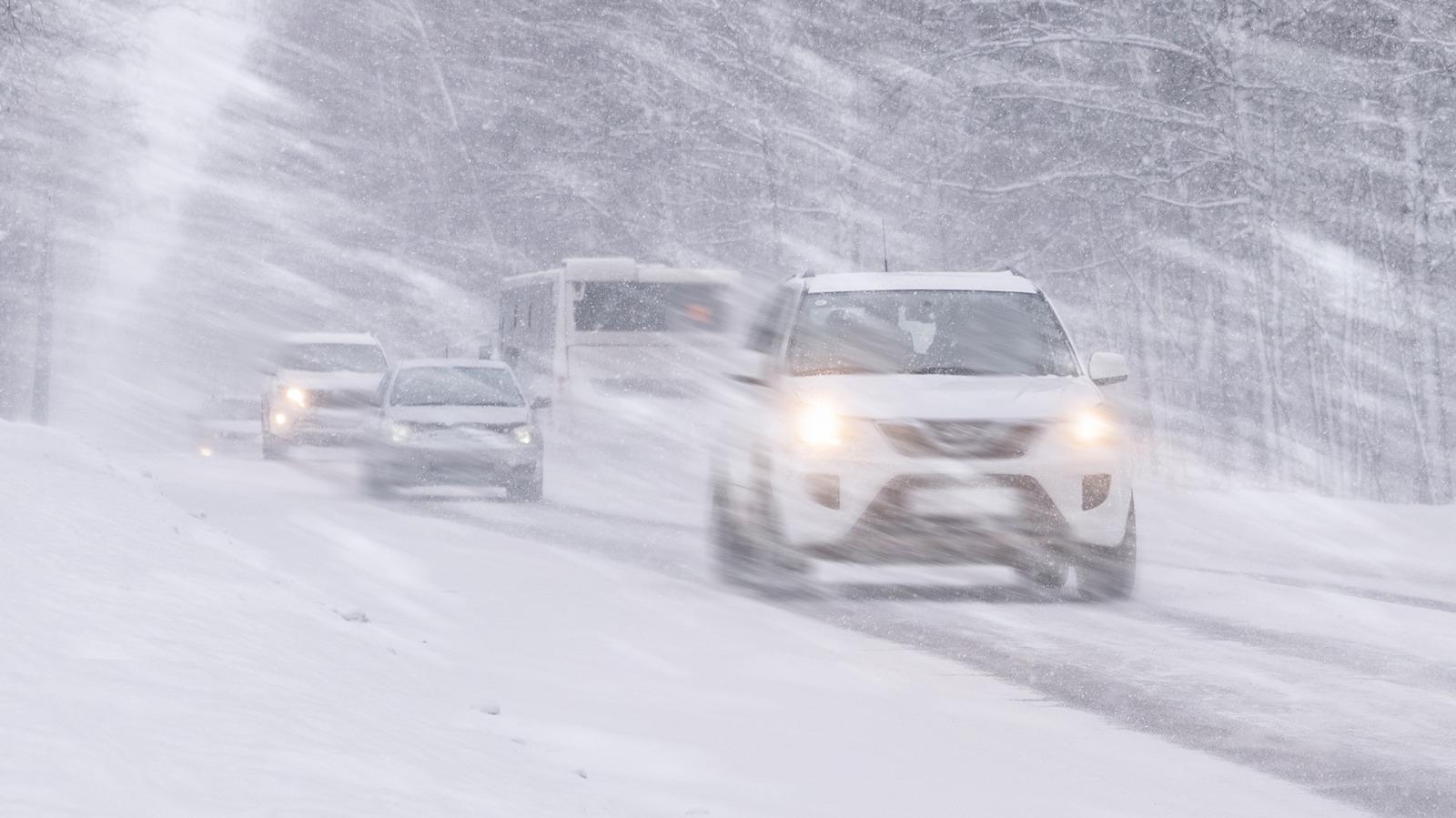
2026 Cold Weather Testing: Where Automakers Freeze Their Lugnuts Off
Image: 2026 Cold Weather Testing: Where Automakers Freeze Their Lugnuts Off – Performance and Specifications
Advertisement
As the automotive world pivots toward electrification and complex software integration in 2026, the stakes for extreme weather reliability have never been higher. Before a vehicle like the highly anticipated 2026 Volkswagen Tayron (expected price: ₹35.00 Lakh – ₹42.00 Lakh) hits the showroom floors, it must endure a literal hell on earth—or rather, a frozen purgatory. Automakers don’t just ‘hope’ their cars start in the winter; they spend millions of dollars sending prototypes to locations where temperatures regularly drop below -40°C. From battery thermal management to the simple flexibility of a rubber door seal, every component is pushed to its breaking point.
The Top 5 Cold Weather Testing Locations in 2026
Testing locations are chosen for their consistent, bone-chilling cold and specialized infrastructure. Here is where your favorite 2026 models are currently ‘freezing their lugnuts off’ to ensure you don’t get stranded in the driveway.
Advertisement
1. Arjeplog, Sweden: The Automotive Winter Capital
Located just on the edge of the Arctic Circle, Arjeplog is the undisputed world capital of winter testing. During the winter months, the population swells as thousands of engineers from Mercedes-Benz, BMW, and the VW Group descend upon the town. The frozen lakes here are transformed into massive skid pads and handling tracks. In 2026, the focus in Arjeplog has shifted almost entirely to EV efficiency, testing how heat pumps and battery chemistries handle the Swedish ‘Polar Night.’
2. Kapuskasing, Ontario: GM’s Secret Frozen Playground
General Motors has long favored Kapuskasing for its brutal, dry cold. The facility allows for ‘cold soak’ testing, where a vehicle sits idle for 12+ hours in sub-zero temps before an engineer attempts a ‘cold start.’ For 2026, GM is using this site to refine the Ultium platform, ensuring that digital cockpits and door handles don’t freeze shut in the Canadian wilderness.
3. International Falls, Minnesota: The American Icebox
Known as the ‘Icebox of the Nation,’ International Falls provides the perfect U.S.-based theater for testing. It’s not just about the engine; it’s about the suspension. How do the bushings react when they are as hard as hockey pucks? This location is vital for brands like Ford and Stellantis to ensure their heavy-duty trucks can survive a Midwest winter.
Advertisement
4. Yellowknife, Canada: The Extreme Frontier
When -30°C isn’t enough, manufacturers head further north to Yellowknife. This location is used for the most extreme stress tests. In 2026, we are seeing manufacturers test autonomous driving sensors (LiDAR and Radar) here to see how they perform when covered in road salt, slush, and thick ice.
5. Invercargill, New Zealand: The Summer Escape
When it is summer in the Northern Hemisphere, development doesn’t stop. Automakers head to the Southern Hemisphere, specifically the Waiorau Snow Farm near Invercargill. This allows for year-round cold-weather development, ensuring that the 2026 model year cycles aren’t delayed by a lack of snow.
Spotlight: The 2026 Volkswagen Tayron Under Evaluation
The 2026 Volkswagen Tayron has become a focal point of these tests as it prepares to replace the Tiguan AllSpace in global markets, including India. Testing in Arjeplog has revealed significant updates to its 4Motion AWD system and its cabin heating efficiency.
Advertisement
Design and Durability in Extreme Conditions
The Tayron’s design for 2026 features recessed door handles and optimized aerodynamics. However, in cold weather testing, engineers focus on the ‘ice-breaking’ capability of these handles. The body panels are treated with high-durability coatings to resist the corrosive salt used on winter roads.
Sub-Zero Performance and Powertrain
The 2.0L TSI engine in the Tayron is designed with a high-output alternator to handle the massive electrical load of heated seats, steering wheels, and windshields simultaneously. In 2026, the hybrid variants are receiving extra attention to ensure the transition between the electric motor and the internal combustion engine remains seamless at -20°C.
Interior Tech and Infotainment Reliability
One major complaint from users in 2025 was the lag of OLED screens in the cold. For the 2026 Tayron, VW is testing upgraded liquid crystal displays that offer faster response times even when the cabin hasn’t warmed up yet. The capacitive touch controls on the steering wheel have also been recalibrated to work better with thick winter gloves.
Advertisement
Safety and Global NCAP Preparedness
Safety in the snow isn’t just about airbags; it’s about ADAS (Advanced Driver Assistance Systems). The 2026 Tayron features heated camera lenses to prevent fogging, a direct result of ‘lugnut-freezing’ tests. While the official 2026 Bharat NCAP or Euro NCAP ratings are pending, the structural integrity of the MQB Evo platform remains top-tier.
2026 Comparison: The Rivals
| Feature | 2026 VW Tayron | 2026 Toyota Fortuner | 2026 Skoda Kodiaq |
|---|---|---|---|
| Engine | 2.0L Turbo Petrol/Hybrid | 2.8L Diesel / Mild-Hybrid | 2.0L TSI Petrol | AWD System | 4Motion (Electronic) | 4×4 (Mechanical) | 4×4 (Electronic) | Cold Start Tech | Heated Battery Tech | Glow Plug Optimization | Pre-heating Cabin App | Ground Clearance | 200 mm | 225 mm | 192 mm |
Technical Specifications & Variant Pricing
| Specification | Details (2026 Model) |
|---|---|
| Maximum Power | 190 PS (Petrol) / 245 PS (PHEV) | Maximum Torque | 320 Nm / 400 Nm | Transmission | 7-Speed DSG | 0-100 km/h | 7.6 Seconds |
Variant-wise Pricing (Estimated Ex-Showroom)
| Variant | Estimated Price (INR) |
|---|---|
| Tayron Comfortline | ₹35,50,000 | Tayron Highline | ₹38,50,000 | Tayron R-Line (AWD) | ₹42,00,000 |
People Also Ask (FAQ)
- Why do car companies test in the cold? To ensure mechanical parts, fluids, and electronics function reliably in extreme winter conditions.
- Where is the coldest car testing facility? Yellowknife, Canada and Arjeplog, Sweden are among the coldest frequently used sites.
- Does cold weather affect EV range? Yes, lithium-ion batteries lose efficiency in the cold, often reducing range by 20-40% without proper thermal management.
- What is the 2026 VW Tayron? It is a new SUV from Volkswagen, replacing the Tiguan AllSpace, featuring a more premium interior and advanced tech.
- Is the 2026 Tayron coming to India? Yes, it is expected to launch in mid-2026 via the CKD route.
- How do engineers test cars on frozen lakes? They use specialized ice-clearing machines to create tracks with varying grip levels to test traction control.
- What is a ‘Cold Soak’ test? Leaving a car in sub-zero temps for 12+ hours to see if it starts and functions perfectly immediately.
- Do touchscreens work in -30 degrees? Older screens struggled with lag, but 2026 models use specialized automotive-grade displays to prevent this.
- Will the 2026 Fortuner be better than the Tayron? The Fortuner is better for off-roading, while the Tayron offers superior tech and comfort.
- Why is Arjeplog so famous for car testing? Its stable winter temperatures and abundance of frozen lakes provide the perfect natural laboratory.
Verdict: Should You Buy the 2026 VW Tayron?
After undergoing rigorous testing in the world’s most brutal climates, the 2026 Volkswagen Tayron emerges as a sophisticated, resilient SUV. If you live in a region with extreme temperature swings or simply want a vehicle that feels ‘over-engineered’ for reliability, it is a fantastic choice.
Pros:
Advertisement
- Exceptional build quality and winter resilience.
- Advanced 4Motion AWD system.
- Premium interior with updated 2026 lag-free tech.
Cons:
- High estimated price point compared to some rivals.
- DSG gearbox can be jerky in extremely low speeds.