The Iconic ‘Stutututu’ Sound: Why Turbo Flutter is Trending Again in 2026
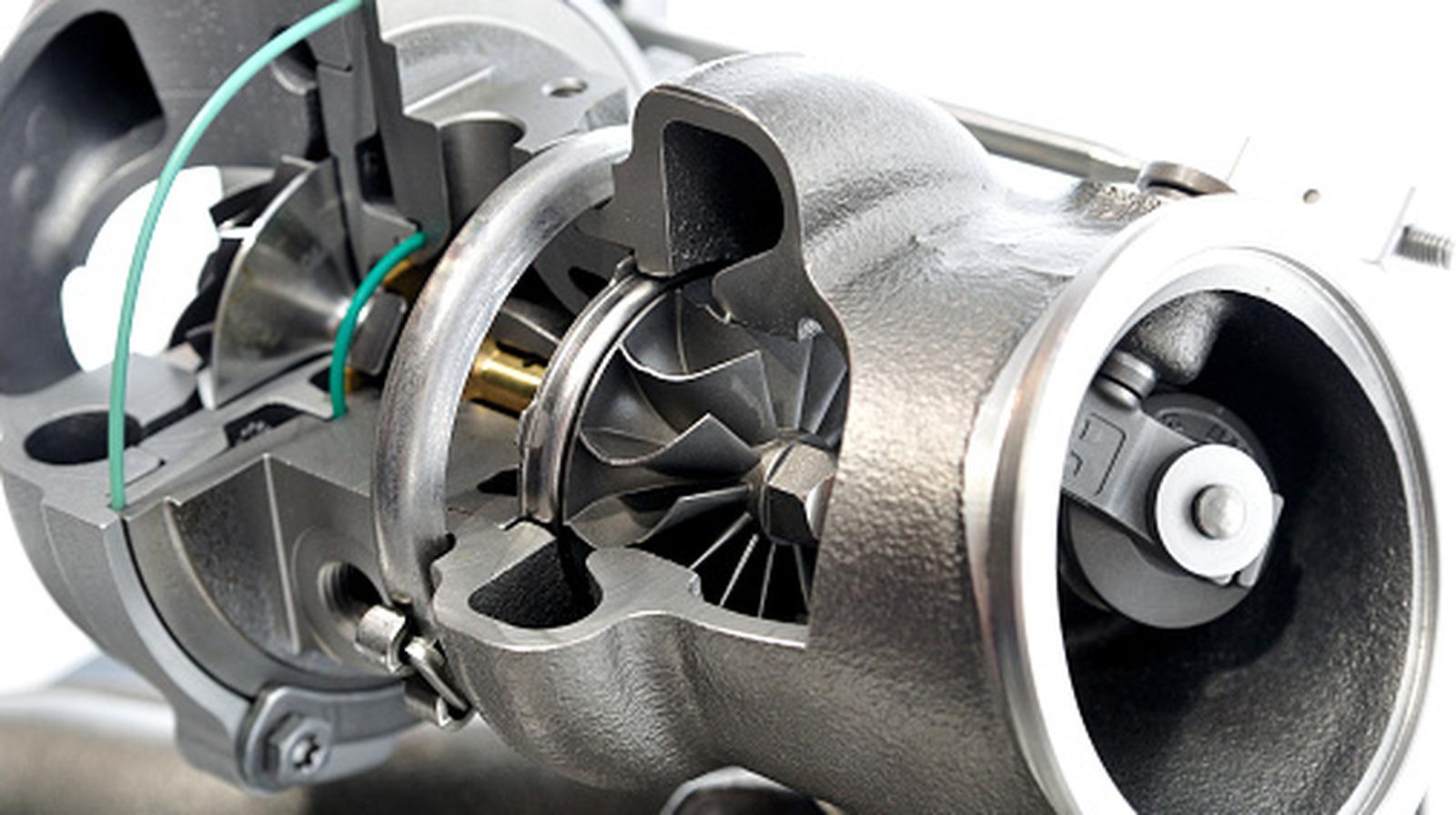
What Causes Turbo Flutter and Can It Destroy Your Engine in 2026? Everything You Need to Know
Image: What Causes Turbo Flutter and Can It Destroy Your Engine in 2026? Everything You Need to Know – Performance and Specifications
Advertisement
For many automotive enthusiasts, the rhythmic ‘stutututu’ sound of a decelerating performance car is the ultimate auditory dopamine hit. However, as we move into 2026, with high-strung 1.0L and 1.5L turbocharged engines becoming the norm in everything from the Volkswagen Tayron to the latest Mahindra performance SUVs, understanding this phenomenon is more critical than ever. While it might sound ‘cool’ at a car meet, turbo flutter—technically known as compressor surge—is often the harbinger of a repair bill that can range from ₹85,000 to over ₹3,50,000 for high-end electronic turbo assemblies.
What Exactly Causes Turbo Flutter?
Turbo flutter occurs when the air compressed by the turbocharger has nowhere to go. When you lift your foot off the accelerator, the throttle plate closes. However, the turbocharger turbine is still spinning at incredibly high speeds (often exceeding 150,000 RPM). The compressed air hits the closed throttle plate and bounces back toward the turbo. When this high-pressure air hits the spinning compressor blades, it forces them to abruptly slow down or ‘chatter’ against the incoming air. This rhythmic interruption of airflow is what creates the ‘fluttering’ sound.
Advertisement
1. Malfunctioning Blow-Off Valve (BOV) or Diverter Valve
In most modern 2026 vehicles, a Blow-Off Valve (BOV) or a Diverter Valve is designed to vent this excess pressure. If this valve is blocked, disconnected, or has a stiff spring, the air cannot escape, leading to immediate compressor surge.
2. The Rise of Electronic Wastegates
Modern 2026 engines often use electronic wastegates for precision boost control. While more efficient, these units are prone to sensor failures. A calibration error in the ECU can prevent the wastegate from opening at the correct millisecond, causing backpressure to build up instantly.
3. Improper Aftermarket Tuning
With the ‘stage-tuning’ culture reaching new heights in 2026, many owners are pushing small turbos beyond their efficiency maps. If a tune doesn’t account for the surge line of the compressor, you will experience flutter even under partial load, which is significantly more dangerous than flutter on deceleration.
Advertisement
4. Vacuum Leak or Solenoid Failure
Since many bypass valves are vacuum-actuated, a simple cracked rubber hose or a burnt-out solenoid can prevent the system from venting pressure, forcing the air back into the turbo housing.
5. High Boost Pressure on Small Turbines
As manufacturers squeeze 200+ BHP out of small 3-cylinder engines, the boost pressures are higher than ever. The higher the boost, the more violent the flutter becomes when the throttle is snapped shut.
The Great Debate: Can Turbo Flutter Actually Damage Your Engine?
The short answer is yes. While a tiny bit of low-load flutter might not kill a turbo instantly, consistent compressor surge is a death sentence for your forced induction system. In 2026, turbos are designed with thinner, lighter materials (like titanium-aluminide) to reduce lag. These materials are less tolerant of the ‘hammering’ effect caused by air rushing backward.
Advertisement
Damage to the Thrust Bearing
The most common casualty is the thrust bearing. When air hits the compressor wheel from the wrong direction, it creates an axial load, pushing the entire shaft backward against the bearing. This leads to premature wear, oil leaks, and eventually, a seized turbo.
Compressor Wheel Fatigue
The ‘stutututu’ is the sound of your compressor blades literally fighting against air. Over time, this causes micro-fractures in the blades. If a blade snaps at 150,000 RPM, it becomes shrapnel that gets sucked directly into your engine’s cylinders.
| Turbo Component | Impact of Flutter | 2026 Replacement Cost (Est.) |
|---|---|---|
| Compressor Wheel | Blade chipping/Fractures | ₹35,000 – ₹60,000 |
| Thrust Bearing | Axial play and Oil leakage | ₹15,000 – ₹25,000 (Repair) |
| Electronic Actuator | Calibration mismatch | ₹20,000 – ₹45,000 |
| Complete Turbo Unit | Total Catastrophic Failure | ₹90,000 – ₹4,00,000 |
Comparing 2026 Turbo Management Systems
Not all turbo systems are created equal. In 2026, we see three primary ways manufacturers handle excess boost pressure.
Advertisement
| System Type | Common Models (2026) | Reliability Rating | Flutter Risk |
|---|---|---|---|
| Recirculating Diverter Valve | VW Tayron, Skoda Kodiaq | 9/10 | Low (Quiet) |
| Atmospheric Blow-Off Valve | Aftermarket Tuned Thar/Scorpio-N | 7/10 | Medium (Loud) |
| E-Turbo (Electric Assisted) | Mercedes-AMG C63, Porsche 911 | 8/10 | Extremely Low |
People Also Ask (FAQ)
1. Is turbo flutter the same as a blow-off valve sound?
No. A BOV makes a single ‘pssh’ sound as it vents air. Flutter is the ‘stutututu’ sound of air hitting the turbo blades.
2. Why do drift cars have so much turbo flutter?
Many race cars run without BOVs to maintain some pressure in the piping for faster throttle response, accepting that they will have to rebuild the turbo frequently.
3. Can I get turbo flutter without a turbo?
No, flutter is strictly a phenomenon associated with centrifugal compressors in turbocharged or supercharged engines.
Advertisement
4. Will turbo flutter fail my PUC/Emissions test?
Directly, no. But if the flutter is caused by a boost leak, your car will run rich, which will eventually clog your DPF or Catalytic Converter, failing the test.
5. Is it expensive to fix turbo flutter?
If it’s just a stuck valve, it’s a ₹5,000 – ₹10,000 fix. If the turbo is damaged, it’s significantly more.
6. Does the 2026 Hyundai N-Line have turbo flutter?
Stock N-Line models use a recirculating valve and are silent. Owners often install ‘BOV adaptors’ to get the sound, which can be risky.
Advertisement
7. Can a dirty air filter cause flutter?
Rarely. A dirty filter usually causes ‘compressor choke,’ which results in power loss rather than flutter.
8. Does turbo flutter happen in Diesel engines?
Yes, but it is less common because diesels don’t have a throttle body in the same way petrol engines do, so the pressure backup is less abrupt.
9. Is ‘Wastegate Chatter’ the same as Turbo Flutter?
Mostly yes. The terms are used interchangeably in the car community to describe the ‘stutututu’ sound.
Advertisement
10. Can I drive with turbo flutter?
You can, but you are on borrowed time. It is recommended to diagnose the cause before the turbo shaft snaps.
Verdict: Should You Worry About the ‘Stutututu’?
If your car suddenly starts fluttering and it never did before, yes, you should worry. It indicates a failure in your boost pressure relief system. However, if you have intentionally modified your car to produce this sound, ensure you are using a high-quality turbo with a reinforced thrust bearing.
Pros of Turbo Flutter:
– Aggressive, iconic ‘race car’ sound.
– Minimal lag in specific high-load racing scenarios.
Advertisement
Cons of Turbo Flutter:
– Severe mechanical stress on turbo bearings.
– Risk of compressor wheel disintegration.
– Potential for voiding 2026 manufacturer warranties.
– High repair costs for modern electronic turbochargers.
Final Verdict: In 2026, where vehicle longevity and fuel efficiency are paramount, turbo flutter is a luxury your engine cannot afford. Enjoy the sound on YouTube, but keep your daily driver’s boost system healthy and silent.
Advertisement