The Silent Engine Assassin: Why Piston Rings Matter in 2026
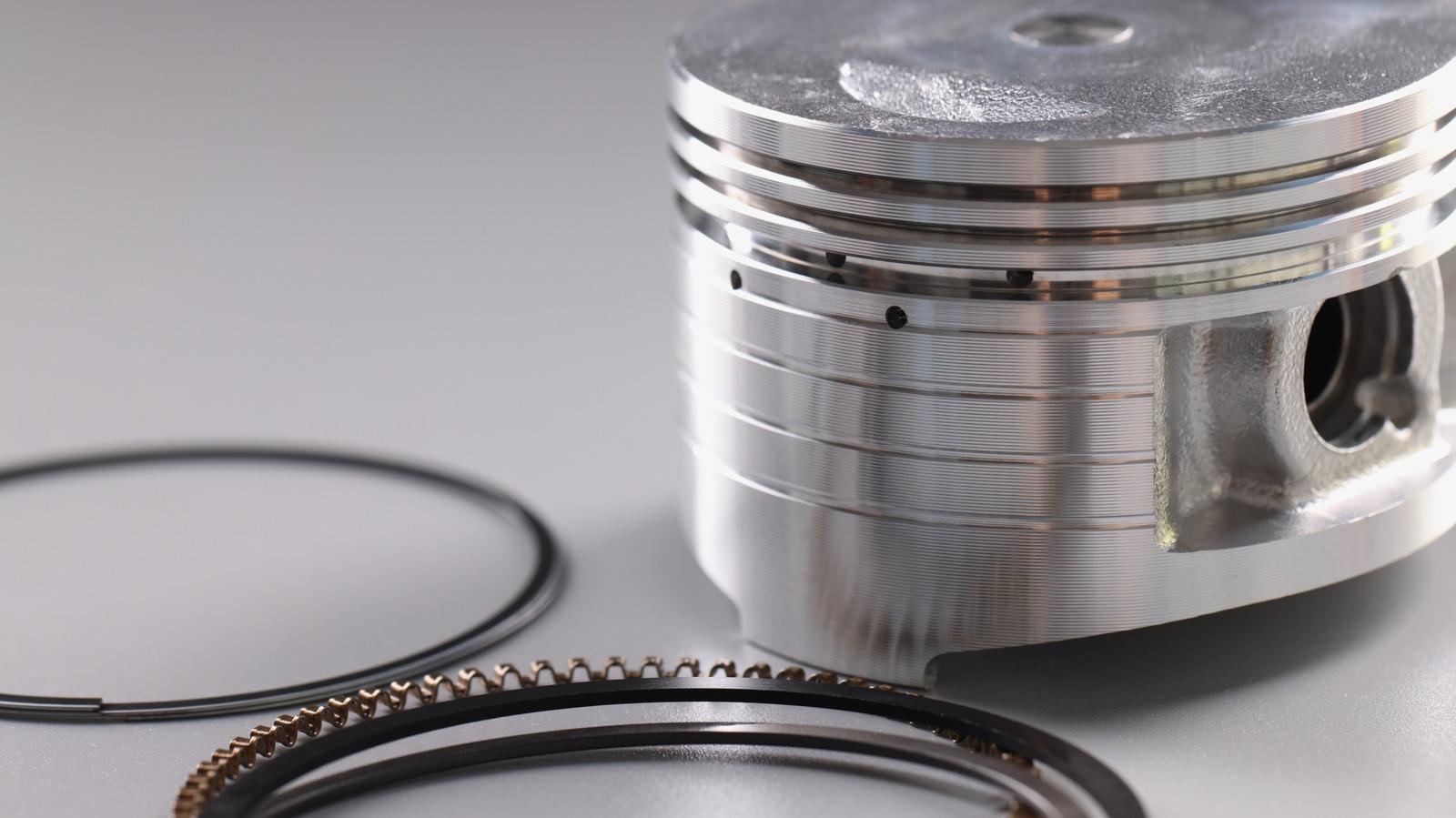
Driving With Bad Piston Rings: The 2026 Engine Killer You Can’t Ignore
Image: Driving With Bad Piston Rings: The 2026 Engine Killer You Can’t Ignore – Performance and Specifications
Advertisement
Your engine is a masterpiece of precision engineering, but even in the advanced automotive landscape of 2026, it relies on three simple metal circles to stay alive: the piston rings. Whether you are driving a high-compression GDI (Gasoline Direct Injection) beast or a modern Hybrid, these seals are the only thing standing between peak performance and a total engine meltdown. Driving with bad piston rings isn’t just a minor inconvenience; it is a ticking time bomb that can lead to repair bills exceeding ₹2,50,000 in today’s market.
In this comprehensive guide, we dive deep into the mechanics of piston ring failure, the symptoms you must never ignore, and how 2026 engine technology makes these components more critical than ever before.
Advertisement
What Exactly Are Piston Rings?
Piston rings serve three primary functions: they seal the combustion chamber so that the expanding gases move the piston down (producing power), they regulate oil consumption by scraping oil off the cylinder walls, and they transfer heat from the hot piston to the cooled cylinder block. In 2026, manufacturers have moved toward ‘low-tension’ rings to reduce friction and improve fuel efficiency, but this makes them more susceptible to carbon buildup and premature wear if maintenance is neglected.
The Catastrophic Consequences: What Happens if You Don’t Fix Them?
1. Chronic Power Loss and ‘Blow-By’
When the compression ring wears down, it can no longer hold the pressure of the explosion in the combustion chamber. This pressure leaks past the piston into the crankcase—a phenomenon known as ‘blow-by.’ You will notice a significant drop in throttle response, especially during highway overtakes. In modern turbocharged engines, this can also lead to turbo-lag as the exhaust gas velocity drops.
2. Oil Dilution and Accelerated Wear
Bad rings don’t just let pressure down; they let unburnt fuel down too. When gasoline enters the oil pan, it thins the engine oil (dilution). This ‘watery’ oil loses its lubricating properties, causing rapid wear on your crankshaft bearings and camshafts. By the time you see a warning light, the internal damage is often irreversible.
Advertisement
3. Destructive Carbon Buildup
In 2026, most vehicles use Direct Injection. When oil leaks past the rings into the combustion chamber, it creates a sticky carbon residue. This residue bakes onto the intake valves and the piston crown, leading to ‘Low-Speed Pre-Ignition’ (LSPI), which can literally shatter a piston in seconds.
Technical Specifications: Piston Ring Dynamics
Understanding the hardware helps in diagnosing the failure. Here is the technical breakdown of a standard 2026 internal combustion engine assembly.
| Component | Primary Material (2026) | Critical Function | Failure Sign |
|---|---|---|---|
| Top Compression Ring | Steel with Plasma Spray | Maintains 95% of cylinder pressure | Loss of power/misfires |
| Second Wiper Ring | Cast Iron/Phosphate Coated | Backs up seal & redirects oil | Increased oil consumption |
| Oil Control Ring | Three-piece Stainless Steel | Scrapes oil off cylinder walls | Blue smoke from exhaust |
| Cylinder Wall Liner | Nanoslide / Iron Coated | Provides friction surface | Deep vertical scoring marks |
Comparing Engine Health Issues: Piston Rings vs. Rivals
Sometimes, what looks like a piston ring issue might be something else. Here is how piston ring failure compares to its two closest ‘rival’ symptoms: Valve Seal Failure and Head Gasket Failure.
Advertisement
| Feature/Symptom | Bad Piston Rings | Worn Valve Seals | Blown Head Gasket |
|---|---|---|---|
| Smoke Color | Constant Blue Smoke | Blue smoke only at startup | Thick White Smoke (Steam) |
| Oil Consumption | Extremely High | Moderate | Low to Moderate |
| Engine Temperature | Normal (until oil runs dry) | Normal | Rapid Overheating |
| Compression Test | Low (improves with oil drop) | Normal | Low in adjacent cylinders |
| Repair Complexity | High (Full Engine Teardown) | Medium (Top-end only) | High |
Estimated Repair & Replacement Costs (2026 India Market)
The cost of repairing piston rings has risen due to the complexity of modern engine sensors and the labor required for EV-Hybrid battery decoupling in newer models.
| Vehicle Segment | Est. Cost (Piston Ring Replacement) | Est. Cost (Full Engine Rebuild) |
|---|---|---|
| Hatchbacks (Swift, i20) | ₹45,000 – ₹65,000 | ₹1,20,000+ |
| Mid-SUVs (Creta, Seltos) | ₹75,000 – ₹1,10,000 | ₹1,80,000+ |
| Luxury/Hybrids (BMW, Lexus) | ₹2,50,000 – ₹4,00,000 | ₹8,00,000+ |
Signs Your Piston Rings are Dying
The most common sign is blue-tinted smoke coming from the tailpipe. This happens because oil is leaking into the combustion chamber and burning with the fuel. Additionally, you may notice a significant ‘oil thirst,’ where you’re adding a liter of oil every 1,000 kilometers. In 2026 cars, you might also get a ‘Check Engine’ light with a P0300 (Random Misfire) or P0420 (Catalytic Converter Efficiency) code, as the burning oil fouls your expensive sensors.
People Also Ask (FAQ)
1. Can I drive with bad piston rings for a few months?
Technically yes, but it is risky. Every kilometer you drive increases the chance of scoring your cylinder walls, which turns a ₹50,000 ring job into a ₹2,00,000 engine block replacement.
Advertisement
2. How do I test for bad piston rings at home?
Perform a ‘Wet Compression Test.’ Check cylinder compression, then add a tablespoon of oil to the cylinder and test again. If compression jumps significantly, your rings are the culprit.
3. Will thicker oil fix bad piston rings?
No. It is a temporary ‘band-aid’ that might slightly reduce smoke, but it won’t fix the mechanical gap or the power loss.
4. Do modern Hybrids have piston ring issues?
Yes, and they can be more severe. Because the engine turns on and off frequently, it often operates below optimal temperature, leading to moisture and fuel buildup that can degrade ring seals.
Advertisement
5. What causes piston rings to fail early?
Poor oil quality, infrequent oil changes, and overheating are the primary killers. In 2026, using the wrong grade of synthetic oil can also lead to premature wear.
6. Does blue smoke always mean piston rings?
Not always. It could be valve stem seals or a failing turbocharger seal. However, rings are the most common cause of constant smoke under load.
7. Is it worth fixing rings on a car with 2,00,000 km?
Only if the rest of the engine (crankshaft and head) is in good health. Often, a replacement engine is more cost-effective for high-mileage vehicles.
Advertisement
8. Can bad piston rings damage my turbo?
Yes. The burning oil creates soot that can clog the turbo’s variable geometry vanes and damage the bearings.
9. How long do modern piston rings last?
With proper maintenance, they should last 2,50,000 to 3,00,000 kilometers. Neglect can kill them in under 80,000 km.
10. Will bad rings cause a car to fail an emissions test?
Absolutely. The unburnt hydrocarbons and burning oil will send your emission levels off the charts.
Advertisement
Verdict: Should You Fix It or Sell It?
The Pros of Fixing: You restore original fuel economy, recover lost power, and prevent a catastrophic engine seizure. A well-executed ring replacement can add another 1,00,000 km to your car’s life.
The Cons of Fixing: It is a labor-intensive job that requires a highly skilled mechanic. If the cylinder walls are already ‘out of round’ or scored, new rings won’t help.
Final Verdict: If your vehicle is less than 8 years old and the body is in good condition, replacing the rings is a smart investment. However, if you’re seeing metal shavings in your oil along with the blue smoke, it’s time to trade it in for a 2026 EV or a fresh ICE model.
Advertisement