The Forced Induction Dilemma: Power, Heat, and Your Wallet
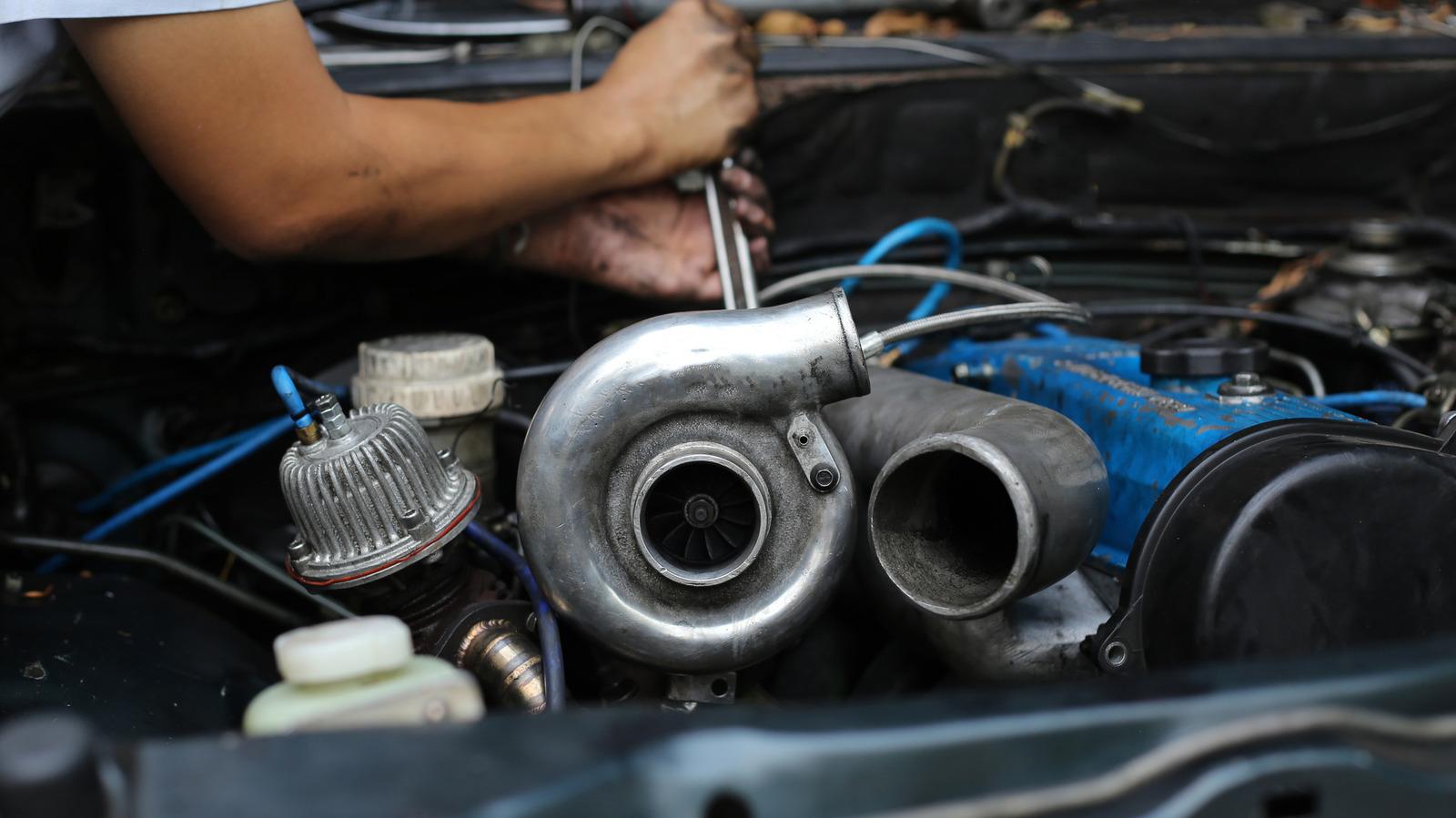
Turbocharger vs. Supercharger Maintenance: Which Costs More to Own in 2026?
Image: Turbocharger vs. Supercharger Maintenance: Which Costs More to Own in 2026? – Performance and Specifications
Advertisement
In the high-performance landscape of 2026, the quest for horsepower has never been more intense. Whether you are looking at the latest performance SUVs or high-revving sports coupes, the debate remains: Turbocharging or Supercharging? While both systems serve the same fundamental purpose—shoving more air into the engine to create a larger explosion—their mechanical approaches are worlds apart. But the real question for the savvy owner isn’t just about the 0-60 mph time; it is about the long-term cost of ownership. On average, maintaining a forced induction system can add anywhere from ₹40,000 to ₹1,50,000 ($500 – $1,800) to your annual service budget depending on the complexity and the brand.
As we move deeper into the decade, manufacturers are using more exotic materials and electronic assist systems (like E-Turbos) to bridge the gap between efficiency and performance. This guide breaks down exactly what you can expect when the warranty expires and the repair bills start landing on your desk.
Advertisement
Turbocharger Maintenance: The Heat Factor
A turbocharger is essentially a high-tech fan driven by your engine’s exhaust gases. Because it relies on hot exhaust, the primary enemy of the turbo is heat. In 2026, modern turbos spin at speeds exceeding 200,000 RPM. This creates extreme friction. The most critical maintenance task for a turbo-owner is the oil change. The engine oil doesn’t just lubricate the turbo; it cools it. If you skip an oil change, the oil can ‘coke’ or carbonize inside the turbo bearings, leading to a catastrophic failure that can cost upwards of ₹2,00,000 to replace.
Supercharger Maintenance: The Mechanical Strain
Superchargers, conversely, are driven by a belt connected directly to the engine’s crankshaft. This provides instant power (no ‘turbo lag’) but at a cost of ‘parasitic loss.’ From a maintenance perspective, superchargers are often considered more robust because they don’t deal with the extreme temperatures of exhaust gas. However, they have their own vulnerabilities: the drive belt and the internal oil reservoir. In 2026, many superchargers are ‘sealed for life,’ but experienced mechanics recommend changing the internal lubricant every 80,000 km to prevent gear wear.
The Rise of the Electric Supercharger (E-Turbo)
In 2026, we are seeing a massive shift toward 48V electric systems. These ‘E-Turbos’ use an electric motor to spin the compressor before the exhaust gas takes over. While this eliminates lag, it adds a layer of electronic complexity. Maintenance now involves checking high-voltage wiring harnesses and ensuring the cooling system for the electric motor is functioning perfectly. Repairs on these systems are currently 30% more expensive than traditional mechanical setups.
Advertisement
Comparison of Forced Induction Systems in 2026
To help you decide which system suits your lifestyle, we have compared the three most popular forced induction methods used in high-end vehicles this year.
| Feature | Turbocharger | Supercharger (Roots/Screw) | E-Turbo (2026 Hybrid) |
|---|---|---|---|
| Power Delivery | Exponential (Lag present) | Linear (Instant) | Instant & Sustainable |
| Operating Temp | Very High (800°C+) | Moderate | High (Electronic Cooling) |
| Primary Wear Part | Bearings & Seals | Drive Belt & Couplers | Inverter & Motor Brushes |
| Efficiency | High (Uses waste gas) | Low (Parasitic Drag) | Highest (Regenerative) |
| Typical Lifespan | 150,000 km | 250,000 km | 200,000 km (Battery dep.) |
Technical Specifications and Repair Estimates
Understanding the technical limits of your system can prevent a total engine rebuild. Below is a breakdown of the typical costs associated with common repairs in the current market.
| Component/Service | Estimated Cost (INR) | Estimated Cost (USD) | Interval (Years/KM) |
|---|---|---|---|
| Turbo Intercooler Cleaning | ₹15,000 | $180 | Every 2 Years |
| Supercharger Belt Replace | ₹8,000 | $100 | Every 60,000 KM |
| Turbo Wastegate Actuator | ₹35,000 | $420 | As Needed |
| Supercharger Oil Change | ₹12,000 | $150 | Every 80,000 KM |
| Full Turbo Replacement | ₹1,80,000+ | $2,200+ | 10+ Years |
People Also Ask (FAQ)
1. Is a turbo more expensive to fix than a supercharger?
Generally, yes. Turbochargers involve more complex plumbing, including oil and coolant lines, and operate under higher thermal stress, which leads to more frequent seal failures compared to superchargers.
Advertisement
2. How long does a modern turbocharger last?
With 2026 synthetic oils and cooling tech, a turbo should last between 150,000 to 200,000 kilometers, provided the oil is changed every 7,500 to 10,000 kilometers.
3. Do superchargers need their own oil?
Many ‘Roots’ and ‘Twin-screw’ superchargers have a self-contained oil reservoir. While manufacturers often call them ‘lifetime,’ replacing the oil every 80,000 km significantly extends bearing life.
4. What are the signs of a failing turbocharger?
Look for blue or grey exhaust smoke, a loud whistling or ‘siren’ noise, loss of power, and an illuminated ‘Check Engine’ light on your dashboard.
Advertisement
5. Why are turbos more popular than superchargers in 2026?
Turbos are significantly more fuel-efficient because they use ‘free’ energy from exhaust gases, helping manufacturers meet strict 2026 emissions and CAFE standards.
6. Does a supercharger increase engine wear?
Yes, because a supercharger is belt-driven, it puts additional load on the crankshaft bearings and front-end accessory drive components.
7. Can you add a turbo to a non-turbo car?
Yes, but it is highly complex in 2026 due to advanced ECU (Engine Control Unit) locking. It usually requires hardware upgrades like lower-compression pistons and high-flow injectors.
Advertisement
8. What is ‘Turbo Coking’?
It occurs when the engine is shut off immediately after hard driving. The oil trapped in the hot turbo bakes into solid carbon, which destroys the bearings the next time you start the car.
9. Is an E-Turbo more reliable?
It is more reliable in terms of performance (no lag), but it introduces electrical failure points that traditional mechanical systems don’t have.
10. Which is better for a daily driver?
A turbocharger is typically better for a daily driver due to its fuel efficiency at cruising speeds, whereas a supercharger is often preferred for towing or track use due to immediate torque.
Advertisement
Verdict: Which Should You Choose?
Should you buy a Turbocharged vehicle? Yes, if you prioritize fuel economy and that ‘shove-in-the-seat’ feeling during highway merging. However, be prepared for more rigorous oil maintenance and potential heat-related repairs after the 100,000 km mark.
Should you buy a Supercharged vehicle? Yes, if you want the most reliable forced induction experience with linear, predictable power. While you will pay slightly more at the fuel pump, your long-term repair bills for the induction system itself are likely to be lower.
Pros and Cons
- Turbo Pros: High efficiency, great top-end power, lighter weight.
- Turbo Cons: Extreme heat, oil sensitivity, lag (unless E-boosted).
- Supercharger Pros: Instant throttle response, lower operating temps, simpler maintenance.
- Supercharger Cons: Parasitic power loss, lower fuel economy, heavy hardware.
Advertisement