The Great Maintenance Dilemma: Swapping the Filter Solo
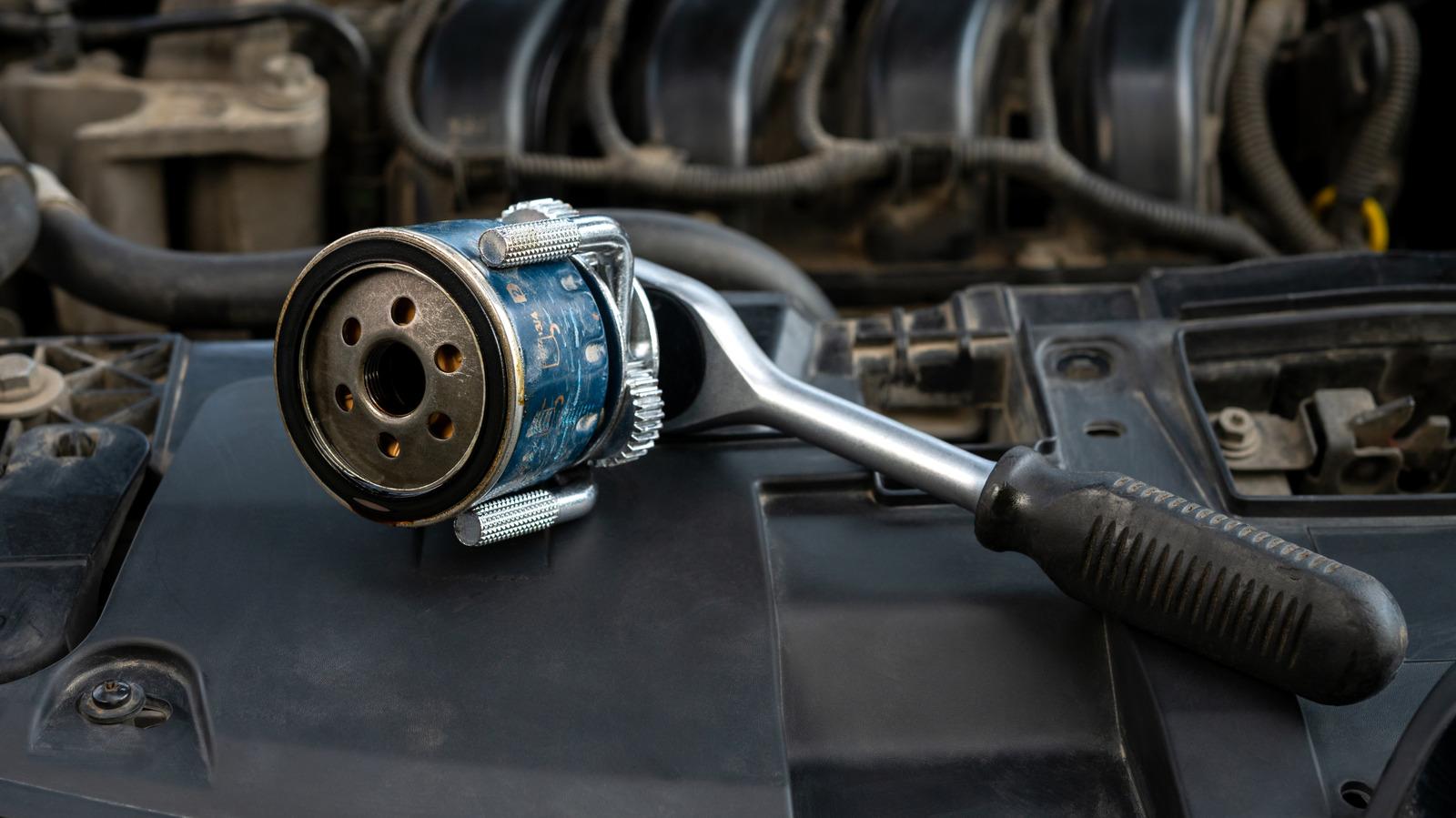
Is It A Bad Idea To Change Your Oil Filter Without Changing Your Oil? (2026 Guide)
Image: Is It A Bad Idea To Change Your Oil Filter Without Changing Your Oil? (2026 Guide) – Performance and Specifications
Advertisement
In the high-performance world of 2026 automotive maintenance, efficiency is king. Many DIY enthusiasts and budget-conscious drivers often wonder: is it a bad idea to change your oil filter without changing your oil? Whether you are driving a high-tech 2026 Volkswagen Tayron R-Line or a reliable old workhorse, the question of ‘staggered maintenance’ persists. A premium synthetic oil filter in 2026 typically costs between ₹850 to ₹2,800 ($10 – $35), whereas a full synthetic oil service can easily exceed ₹8,000. Skipping the oil and just swapping the filter seems like a quick win, but the mechanical reality is more complex.
The Science of Modern Engine Filtration
In 2026, engines are designed with tighter tolerances than ever before. Oil filters have evolved from simple paper elements to complex multi-density synthetic meshes. These filters are tasked with capturing microscopic particulates—some as small as 15 microns—that can cause catastrophic wear on turbocharger bearings and variable valve timing (VVT) components. If you decide to change only the filter, you are essentially putting a clean ‘lung’ on a body that still has ‘congested’ blood.
Advertisement
When Does a ‘Filter-Only’ Change Make Sense?
While not a standard practice, there are specific 2026 scenarios where this might be acceptable. For instance, if you are running long-drain interval synthetic oils (rated for 25,000 km) but your filter is only rated for 12,000 km, a mid-cycle filter swap is actually recommended by some boutique oil manufacturers. This ensures the filter doesn’t reach its ‘holding capacity’ and trigger the bypass valve.
The Risks: Why Experts Advise Caution
The primary risk of changing only the filter is the residual contaminants. When you remove a filter, you only remove about 0.3 to 0.5 liters of oil. The remaining 4 to 6 liters of oil in your sump remain loaded with carbon, fuel dilution, and acid byproducts. New filters work best when the oil’s chemical additives (TBN – Total Base Number) are fresh. Putting a new filter into old, acidic oil can actually degrade the filter media faster.
2026 Performance: High-End Filter Comparison
To understand the stakes, we must look at how modern filters compare. Below is a comparison of the top-tier filters used in 2026 model vehicles like the Volkswagen Tayron and its rivals.
Advertisement
| Feature | Premium Synthetic (e.g., Bosch Ultra) | OEM Standard (e.g., VW/Audi Group) | Budget Cellulose |
|---|---|---|---|
| Filtration Efficiency | 99.8% at 20 Microns | 98.5% at 25 Microns | 94% at 30 Microns |
| Media Material | Wire-backed Synthetic Glass | Blended Synthetic/Cellulose | Resin-impregnated Paper |
| Service Life | 25,000 KM | 15,000 KM | 7,500 KM |
| Bypass Valve Type | Silicone / High-Pressure | Standard Spring Loaded | Basic Plastic/Metal |
Cost Analysis: Filter vs. Full Service
Managing your 2026 vehicle’s budget requires knowing the numbers. Here is the typical ex-showroom/service center pricing for maintenance variants.
| Service Level | Estimated Cost (INR) | Estimated Cost (USD) | Recommended Frequency |
|---|---|---|---|
| Filter Swap Only (DIY) | ₹1,200 | $15 | Mid-Interval (Optional) |
| Semi-Synthetic Service | ₹4,500 | $55 | Every 7,500 KM |
| Full Synthetic ‘Long-Life’ | ₹9,500 | $115 | Every 15,000 KM |
| Performance/R-Line Service | ₹14,000 | $170 | Every 10,000 KM |
Mechanical Hazards: The Bypass Valve Reality
Every modern oil filter includes a bypass valve. If your filter becomes too clogged with sludge, this valve opens to ensure the engine isn’t starved of oil. However, this means unfiltered oil is circulating through your engine. Changing the filter helps prevent this, but if the oil is already ‘shot,’ the new filter will clog in record time, putting you back at square one.
Environmental and Practical Concerns
Changing just the filter is significantly less messy than a full oil drain. In 2026, with stricter environmental regulations regarding waste oil disposal, many urban DIYers prefer the filter-only method to reduce the volume of hazardous waste. However, the environmental ‘cost’ of a premature engine rebuild far outweighs the savings from skipping an oil change.
Advertisement
People Also Ask (FAQ)
- Can I change my oil filter without draining the oil?
Yes, on most vehicles, the filter sits above the oil pan level. You will only lose the oil contained within the filter itself. - How much oil should I add after changing just the filter?
Typically, you should add 0.3 to 0.5 liters of fresh oil to compensate for the volume lost with the old filter. - Will changing the filter make my oil clean?
No. It will remove physical particulates, but it cannot restore the chemical additives or viscosity lost in the old oil. - Is it okay to do this on a 2026 VW Tayron?
It is not recommended as a primary service. The Tayron’s sophisticated sensors may trigger a maintenance light if oil quality (not just flow) is low. - Can a dirty filter cause low oil pressure?
Yes, if the filter is completely clogged and the bypass valve fails, oil pressure will drop significantly. - Does changing only the filter void my warranty?
Yes, most manufacturers require a full oil and filter change at specific intervals to maintain warranty coverage. - What happens if I skip the filter during an oil change?
This is actually worse. A dirty filter will immediately contaminate your brand-new oil with trapped debris. - How do I know if my oil filter is clogged?
Signs include engine sputtering, metallic noises, or a drop in oil pressure on your dashboard gauge. - Are synthetic oil filters better?
Yes, synthetic media has more ‘dirt-holding capacity’ and better flow characteristics than paper filters. - Can I reuse an oil filter?
Never. Oil filters are designed as single-use components; cleaning them is impossible and dangerous for the engine.
The Verdict: Should You Do It?
In 2026, the consensus among automotive engineers is clear. Changing your oil filter without changing the oil is not a replacement for a full service. However, it is an excellent supplementary practice for those who want to maximize engine longevity during long-life oil cycles.
Pros:
– Removes accumulated debris mid-cycle.
– Lower cost and less waste.
– Prevents the bypass valve from opening on high-mileage oil.
Cons:
– Does not remove chemical contaminants/acidity.
– Risk of ‘hot oil’ spills during the swap.
– Potential warranty complications.
– Provides a false sense of security regarding engine health.
Advertisement
Final Recommendation: Always change your filter when you change your oil. Only change the filter alone if you are performing an interim ‘refresh’ between major 15,000+ km service intervals.