The $5 Billion Plug-In Crisis: Trump’s Vision for 2026
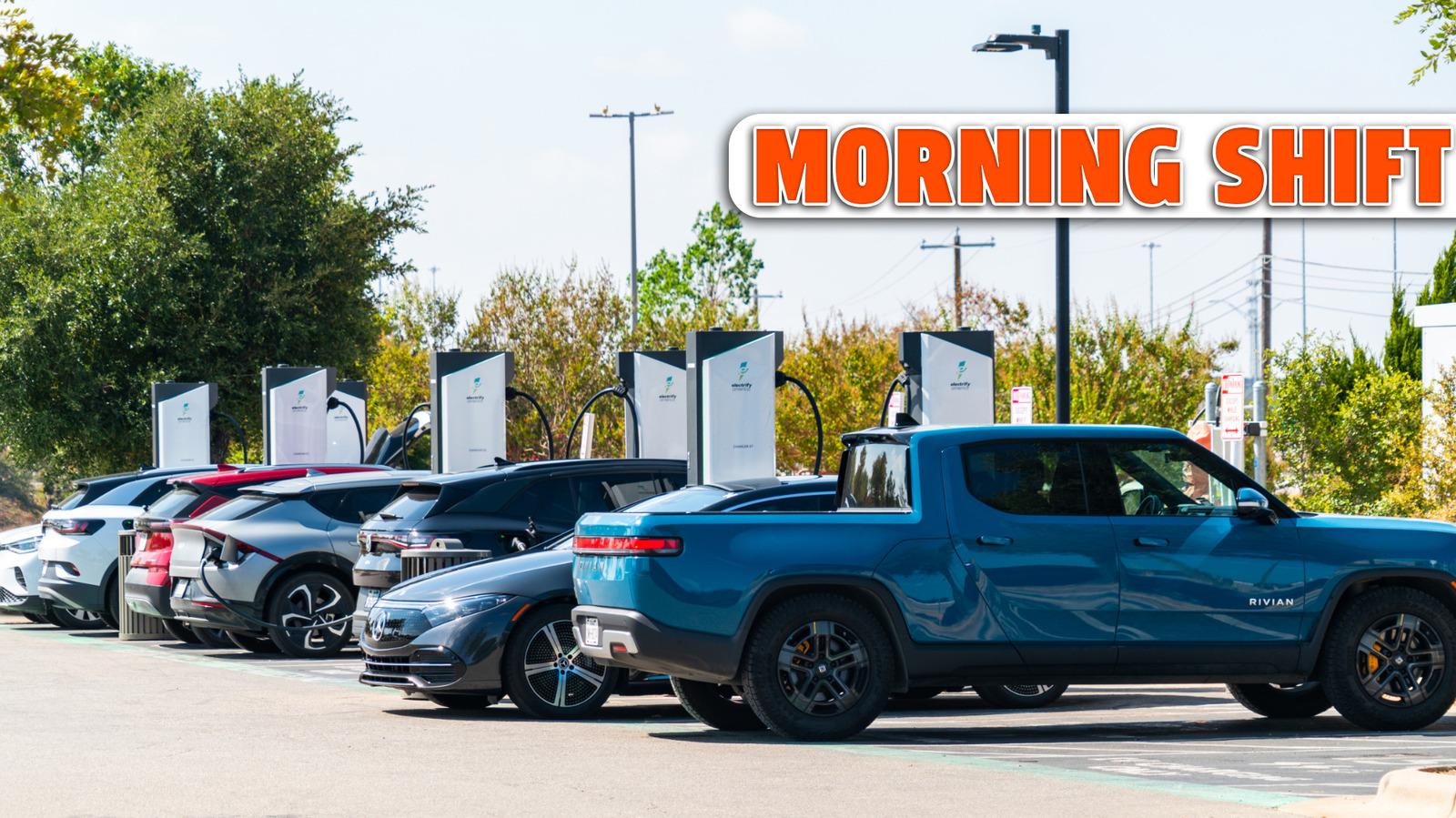
Trump To Kill $5 Billion EV Charger Program: The 2026 Outlook For Global Mobility
Image: Trump To Kill $5 Billion EV Charger Program: The 2026 Outlook For Global Mobility – Performance and Specifications
- Advertisement -
In a move that has sent shockwaves through the automotive industry, Donald Trump has signaled a definitive intent to dismantle the $5 billion National Electric Vehicle Infrastructure (NEVI) program as we head into 2026. This isn’t just a policy shift; it’s a fundamental challenge to the global EV roadmap. While the Biden administration touted this $5 billion investment as the backbone of a coast-to-coast charging network, critics—including Trump—argue it is an inefficient use of taxpayer funds that has failed to produce results at scale. The hook for 2026? If this program dies, the cost of ‘range anxiety’ might just become the highest hidden tax on EV owners.
Why the NEVI Program is Under Fire
As of early 2025, only a handful of chargers funded by the $5 billion grant have actually gone live. This slow deployment is the primary ammunition for the proposed 2026 cuts. Users on automotive forums like Reddit and Jalopnik have expressed frustration, noting that while the funding exists on paper, the ‘performance’ on the ground is lacking. The ‘Cons’ are clear: bureaucratic red tape and slow installation timelines. Conversely, ‘Pros’ cited by proponents include the development of universal standards (NACS vs. CCS) that wouldn’t have happened without federal pressure.
- Advertisement -
Infrastructure Performance: 2026 Charging Tech and Safety
The technical specifications of the current charging rollout are under intense scrutiny. In 2026, the standard for a ‘high-performance’ charger is moving toward 350kW DC fast-charging. However, the NEVI program focused on 150kW minimums, which some experts argue will be obsolete by the time they are installed. In terms of safety, the program includes strict NCAP-adjacent reliability ratings, ensuring that chargers remain operational 97% of the time—a ‘tech feature’ that private networks have historically struggled to maintain.
The Uber Robotaxi Factor: A New Autonomous Era
While the government debates plugs, Uber is pivoting toward a future that doesn’t rely on human-driven internal combustion. Uber’s 2026 roadmap includes deep integrations with Waymo and potentially BYD to deploy autonomous ‘robotaxis.’ This shift underscores a critical point: if the public charging network fails, the infrastructure for autonomous fleets will likely be privatized, potentially increasing the cost of a ‘seat’ in a robotaxi for the average consumer.
| Feature | NEVI Program (Public) | Tesla Supercharger (Private) | Ionity Network (Global) |
|---|---|---|---|
| Total Investment | $5 Billion | Privately Funded | €700+ Million |
| Target Speed | 150kW – 350kW | 250kW – V4 (350kW+) | 350kW |
| Uptime Guarantee | 97% (Strict) | 99% (Market Leader) | ~90-95% |
| Accessibility | Universal (All EVs) | NACS (Mostly Tesla) | CCS (Europe Focus) |
Technical Specifications & Variant Pricing
If we look at the ‘variants’ of charging infrastructure that could replace federal funding, we see a move toward public-private partnerships. The cost to the consumer is expected to fluctuate wildly based on the availability of these stations in 2026.
- Advertisement -
Full Technical Specifications of 2026 Charging Standards
| Spec Category | Standard Detail |
|---|---|
| Maximum Output | Up to 400kW (Liquid Cooled) |
| Connector Type | NACS (North American Charging Standard) |
| Payment Tech | Plug & Charge (ISO 15118) |
| Safety Rating | UL Certified / IP65 Weatherproofing |
| Grid Impact | Integrated Battery Storage Capability |
Projected Charging Costs (Ex-showroom/Station Price)
| Charging Variant | Estimated Cost per Session (2026) |
|---|---|
| Home Charging (L2) | $10 – $15 |
| Standard Public DC (150kW) | $25 – $35 |
| Ultra-Fast Robotaxi Hub (350kW) | $45 – $60 |
| Rural Surcharge Network | $50+ (If Federal Subsidy is Cut) |
People Also Ask (FAQ)
1. Is Trump going to ban EVs in 2026?
No, the plan is not a ban but the removal of federal subsidies and infrastructure funding, letting the free market dictate the transition.
2. How much of the $5 billion EV program has been spent?
As of late 2024, only a fraction of the $5 billion has reached the construction phase, leading to claims of inefficiency.
3. Will Uber’s robotaxis use the NEVI chargers?
Uber’s autonomous partners like Waymo often build private depots, but they would rely on the public grid and standardized plugs.
- Advertisement -
4. Can I still get a tax credit for an EV in 2026?
This is uncertain; the proposed policy shifts suggest a repeal of the $7,500 federal tax credit under a new administration.
5. Is the NACS plug the official standard now?
Yes, most manufacturers including Ford, GM, and VW have committed to NACS for 2025 and 2026 models.
6. What happens to existing chargers if the program is killed?
Existing installations will likely remain, but maintenance and further expansion would fall to state budgets or private entities.
- Advertisement -
7. Are robotaxis safer than human drivers in 2026?
Statistical data from Waymo and Uber suggests autonomous miles have fewer critical accidents per million miles than human drivers.
8. How long does a 2026 EV take to charge?
With 350kW chargers, many 2026 models can charge from 10% to 80% in approximately 15-18 minutes.
9. Why is Trump against the EV charger program?
He argues it is an ‘EV Mandate’ that harms the traditional auto industry and wastes taxpayer money on underutilized technology.
- Advertisement -
10. Will EV prices go up in 2026?
Without federal subsidies, the ‘out-the-door’ price for consumers may increase, though manufacturing costs are slowly dropping.
Verdict: Should You Buy an EV in 2026?
The 2026 landscape is one of transition. If you live in an urban area with private charging access, the ‘Pros’ of EV ownership—low running costs and high performance—remain. However, if the $5 billion program is killed, rural charging becomes a major ‘Con.’ Pros: Superior tech, Uber robotaxi integration, lower maintenance. Cons: Potential infrastructure gaps, loss of federal tax credits, and fluctuating charging prices. If you can charge at home, it’s a ‘Buy’; if you rely on public plugs, wait and see.
- Advertisement -