The Science of Survival: How Median Cables Save Lives
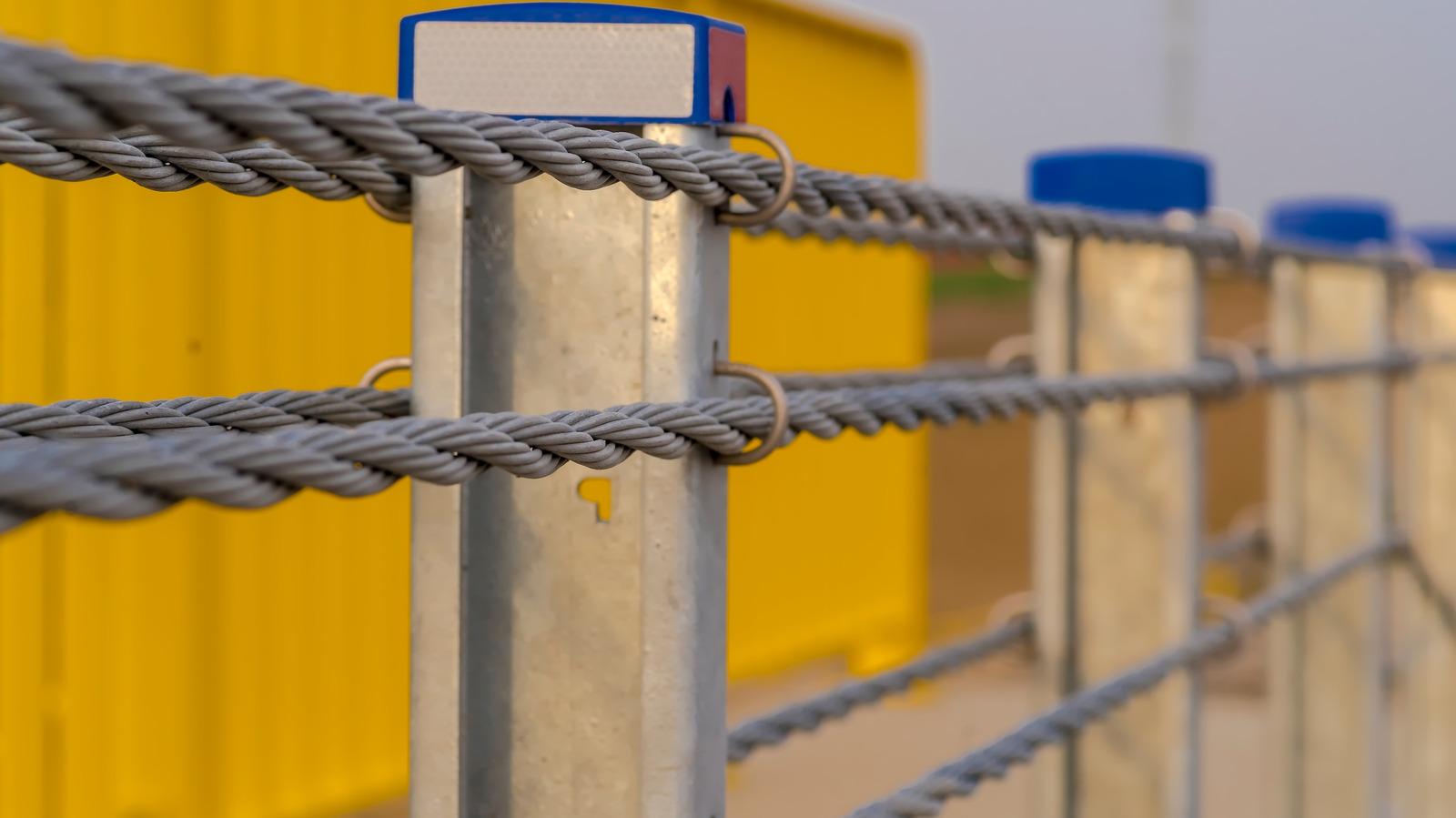
The Truth About Highway Median Cables: Why They Are Safer Than Concrete in 2026
Image: The Truth About Highway Median Cables: Why They Are Safer Than Concrete in 2026 – Performance and Specifications
- Advertisement -
You’re driving at 100 km/h on a multi-lane highway when a sudden tire blowout or a moment of distraction sends your vehicle veering toward the median. In the past, this often meant a head-on collision with oncoming traffic or a bone-jarring impact against a rigid concrete wall. However, in 2026, the landscape of highway safety has shifted toward High-Tension Cable Barriers. While they might look like simple clotheslines, these cables are engineered masterpieces designed to catch vehicles like a spider catches a fly. Currently, infrastructure projects across India and the US are prioritizing these systems because they offer a softer landing than traditional barriers, significantly reducing the ‘G-force’ impact on passengers.
How They Work: Tension vs. Rigidity
Unlike concrete barriers (Jersey barriers) that reflect energy back into the vehicle, cable barriers are designed to deflect. When a vehicle strikes the cables, they stretch and slide along the support posts, absorbing the kinetic energy of the crash. This ‘soft’ catch prevents the vehicle from bouncing back into traffic or crossing into the opposite lane. In 2026, many of these systems are now integrated with smart sensors that notify highway authorities the moment a cable loses tension, ensuring immediate repair and maintenance.
- Advertisement -
The ‘Cheese Slicer’ Myth Debunked
A common fear among motorists, particularly motorcyclists, is that cable barriers act like ‘cheese slicers’ during a crash. However, extensive testing by safety agencies like the IIHS and global NCAP standards has shown this to be a myth. The cables are positioned at heights that target the structural frame of a car, and for motorcyclists, they are actually found to be no more dangerous than traditional W-beam guardrails. In fact, because they absorb more energy, the overall severity of injuries is often lower compared to hitting a solid concrete pillar.
Comparative Analysis: Cable vs. Concrete vs. Metal
To understand why highway departments are switching to cable systems, we must look at the technical data. Below is a comparison of the three primary barrier types used in 2026.
| Feature | Cable Barrier (High-Tension) | Concrete (Jersey Barrier) | W-Beam (Metal Guardrail) |
|---|---|---|---|
| Energy Absorption | Very High | Very Low | Moderate |
| Installation Cost | Low (Approx. ₹12-15 Lakh/km) | High (Approx. ₹45-60 Lakh/km) | Moderate (Approx. ₹20-25 Lakh/km) |
| Maintenance Complexity | Moderate (Requires Re-tensioning) | Low (Hardly any) | High (Full replacement) |
| Secondary Crash Risk | Low (Vehicles are ‘caught’) | High (Vehicles bounce back) | Moderate |
| Lifespan | 20+ Years | 50+ Years | 15-20 Years |
2026 Technical Specifications of High-Tension Systems
Modern cable barriers aren’t just wires. They are sophisticated alloys designed to withstand extreme weather and high-speed impacts. Here are the technical specifications for the 2026 standard ‘Tension-Guard’ systems used on major expressways.
- Advertisement -
| Specification | Standard Value (2026) |
|---|---|
| Number of Cables | 3 to 4 strands |
| Tensile Strength per Cable | > 150 kN (Kilo-Newtons) |
| Post Spacing | 2.0m to 3.5m (Adjustable) |
| Dynamic Deflection | 1.5m to 2.5m |
| Material Coating | Triple-Galvanized Zinc-Aluminum Alloy |
| Collision Speed Rating | Up to 120 km/h at 20-degree angle |
The Financial Verdict: Is It Better Than Concrete?
From a government perspective, the decision to install cable barriers is a ‘no-brainer’ when it comes to ROI. While concrete is durable, the initial capital expenditure for cable barriers is roughly 75% lower. This allows highway authorities to cover four times the distance for the same budget. In 2026, where infrastructure budgets are under pressure from EV charging rollouts, the cost-effectiveness of cables is a primary driver for their adoption.
Pros of Median Cables
- Life-Saving Softness: Dramatically lower injury rates due to lower deceleration forces.
- Prevents Cross-Median Crashes: Virtually eliminates the most lethal head-on highway accidents.
- Visual Clarity: The thin profile allows for better visibility and less ‘snow-drifting’ or sand accumulation.
- Rapid Repair: Most cable systems can be repaired in under an hour by replacing a few posts.
Cons of Median Cables
- Maintenance Requirements: If not hit, they still require periodic checks to ensure cables haven’t sagged.
- Deflection Space: They require a wider median because the cables stretch upon impact.
- Nuisance Hits: Even minor scrapes require a tension check, whereas concrete would be unscathed.
People Also Ask (FAQ)
- Do cable barriers actually work for heavy trucks? Yes, high-tension 4-strand systems are now rated to redirect vehicles up to 8,000kg in 2026.
- What happens if a cable breaks? The systems are redundant. If one cable snaps, the others maintain the tension required to slow the vehicle.
- Are they safe for small cars like the Maruti Alto? They are actually safer for small cars than concrete because the cables prevent the car from flipping.
- How much do they cost per kilometer? In 2026, the average cost is roughly ₹14 Lakh per km including installation.
- Are they used in India? Yes, they are being aggressively implemented on the Delhi-Mumbai Expressway and Samruddhi Mahamarg.
- Do they slice through cars? No. Modern engineering and post design ensure the cables engage the bumper and engine block.
- Can they be installed on curves? Yes, but the post spacing is tightened to maintain tension.
- Are they better than metal guardrails? Yes, because they don’t ‘spear’ the car upon impact.
- How long do repairs take after a crash? Usually 45 to 90 minutes.
- Do they rust? With 2026 galvanized coatings, they are rated for 25 years in high-humidity coastal areas.
Verdict: Should Highway Authorities Use Them?
The data for 2026 is clear. For highways with a median width of at least 3 meters, cable barriers are the superior choice. They save more lives per accident and allow for greater coverage per crore of investment. While concrete remains king for narrow urban flyovers where there is no room for deflection, the open highway belongs to the cable. AutoTorque Rating: Must-Have Safety Tech for 2026 Infrastructure.
- Advertisement -