The End of an Era: Studebaker’s Final Stand 60 Years Later
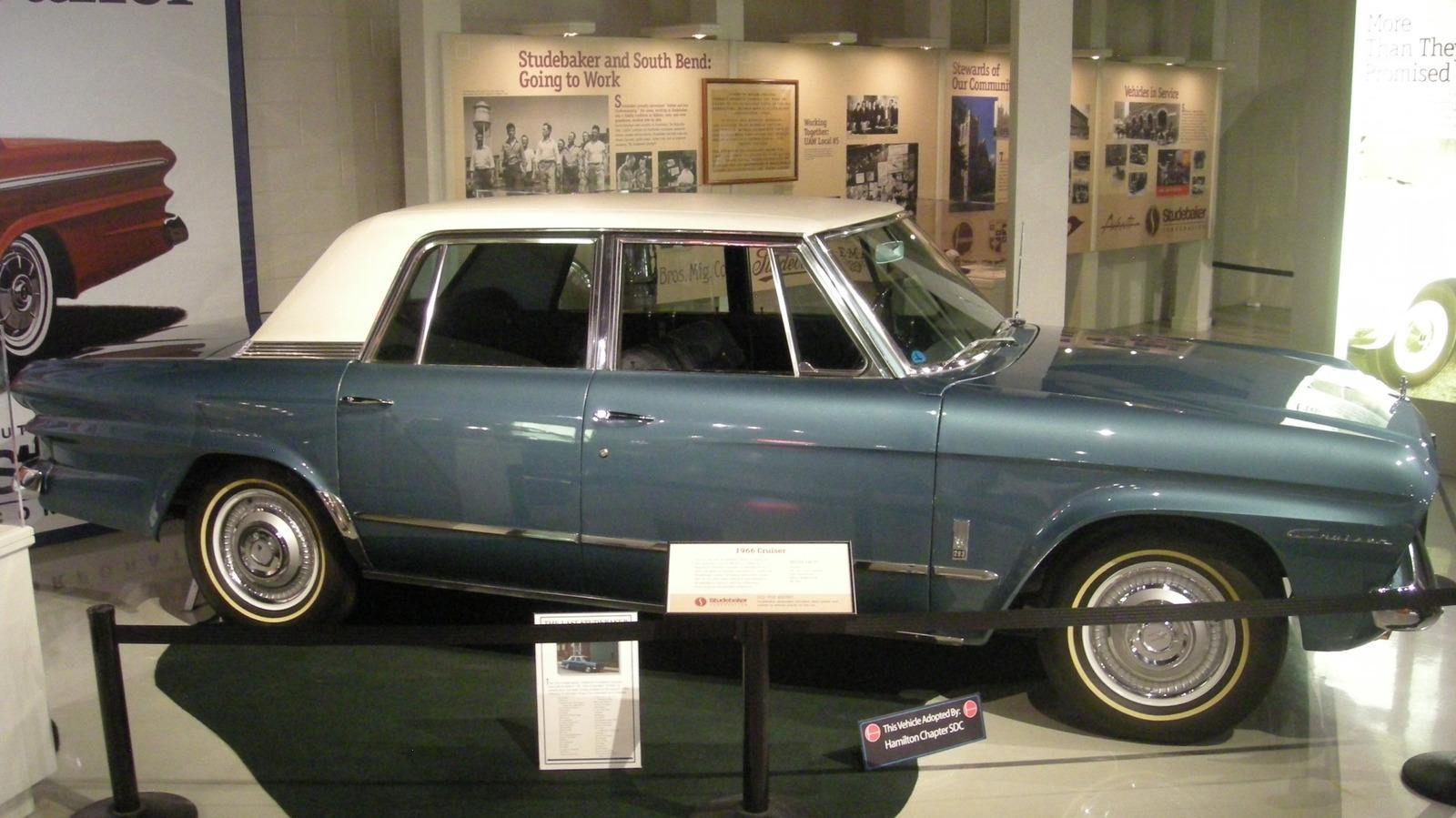
Studebaker’s Final Hour: Is the 1966 Cruiser Still the Ultimate Collector’s Dream in 2026?
Image: Studebaker’s Final Hour: Is the 1966 Cruiser Still the Ultimate Collector’s Dream in 2026? – Performance and Specifications
- Advertisement -
On March 17, 1966, the automotive world changed forever. As the last Studebaker Cruiser rolled off the assembly line in Hamilton, Ontario, an iconic American brand—older than the internal combustion engine itself—ceased production. Today, in 2026, as we mark the 60th anniversary of this historic event, the final Studebaker is not just a relic; it is a multimillion-dollar piece of history. While you cannot buy a new one for its original $3,000 MSRP, the current 2026 auction valuation for a pristine 1966 Cruiser ranges between $85,000 and $125,000 depending on its provenance.
The Design: Timeless Elegance Meets 1960s Utility
The 1966 Studebaker Cruiser was a masterclass in understated design. Eschewing the excessive chrome of the late 50s, the Cruiser featured clean lines, a refined grille, and a stance that suggested maturity. In 2026, collectors still praise the ‘Refined Beauty’ philosophy that Studebaker adopted in its final years. The build quality of the Canadian-made models is often cited by enthusiasts on forums like Studebaker Drivers Club as being superior to their South Bend predecessors.
- Advertisement -
Performance: The Heart of a Chevrolet
By 1966, Studebaker had shuttered its engine plant, leading them to use Chevrolet-sourced engines. The final models were powered by the 283 cubic-inch (4.6L) V8 or the 194 cubic-inch inline-six. This ‘McKinnon’ engine setup is a blessing for modern owners in 2026, as parts availability for the drivetrain remains high, making it one of the most maintainable classic cars on the market today.
Interior Tech and Comfort
Stepping into a 1966 Cruiser today feels like a time capsule. While it lacks the touchscreen infotainment of a 2026 Toyota Crown, its ‘tech’ was advanced for its time, featuring reclining seats, a padded dash, and optional ‘Climatizer’ heating systems. Modern restorations in 2026 often see these interiors retrofitted with hidden Bluetooth connectivity and sound-deadening materials, blending 60s aesthetics with modern comfort.
Safety and NCAP Ratings
In the 1960s, NCAP ratings did not exist. However, Studebaker was a pioneer in safety, being one of the first to offer front disc brakes and dual-circuit master cylinders. By 2026 standards, the car lacks crumple zones and airbags, making it a ‘Sunday driver’ rather than a daily commuter. Collectors prioritize the ‘Full Frame’ construction which, while heavy, offers a sense of solidity modern unibody cars lack.
- Advertisement -
| Feature | 1966 Studebaker Cruiser | 2026 Toyota Crown (Legacy Rival) | 1966 Chevrolet Impala (Period Rival) |
|---|---|---|---|
| Engine | 4.6L V8 (Chevy) | 2.4L Hybrid Turbo | 4.6L V8 |
| Horsepower | 195 hp | 340 hp | 195 hp |
| Transmission | 3-Speed Automatic | 6-Speed Direct Shift | 2-Speed Powerglide |
| 0-60 mph | 10.5 Seconds | 5.7 Seconds | 11.0 Seconds |
| Collector Value | $95,000 (Avg) | $52,000 (New) | $45,000 (Avg) |
2026 Technical Specifications
For those looking to invest in a piece of history, here are the full technical specifications for the final Studebaker models currently circulating in the 2026 classic market.
| Specification | Details |
|---|---|
| Model Name | Studebaker Cruiser (Final Series) |
| Wheelbase | 113 inches |
| Curb Weight | 3,185 lbs |
| Fuel System | 2-Barrel Carburetor |
| Suspension | Independent Front, Leaf Spring Rear |
| Brakes | Optional Front Discs / Rear Drums |
Variant-Wise Pricing (2026 Auction Estimates)
| Variant | Condition: Good | Condition: Concours |
|---|---|---|
| Cruiser V8 | $45,000 | $110,000+ |
| Commander (I6) | $22,000 | $55,000 |
| Daytona Sport Sedan | $38,000 | $85,000 |
| Wagonaire | $50,000 | $130,000 |
People Also Ask (FAQ)
1. When did the last Studebaker roll off the line?
The final car, a Timberline Turquoise Cruiser, was completed on March 17, 1966.
2. Why did Studebaker go out of business?
A combination of high production costs, intense competition from the ‘Big Three’, and a lack of capital for new model development led to its demise.
- Advertisement -
3. Where is the last Studebaker car now?
The final car is currently preserved at the Studebaker National Museum in South Bend, Indiana.
4. Is Studebaker coming back in 2026?
There are no official plans for a brand revival, though the name is occasionally used for boutique concept tributes.
5. Are parts still available for Studebakers?
Yes, through specialized vendors and the Studebaker Drivers Club, many mechanical parts (especially for 1965-66 models) are readily available.
- Advertisement -
6. Was the 1966 Studebaker a good car?
Yes, it was known for its reliability, especially with the Chevrolet-sourced engines used in the final two years.
7. How many 1966 Studebakers were built?
Only 8,935 units were produced in the 1966 model year before the factory closed.
8. Who owns the Studebaker brand name now?
The rights to the Studebaker name and logo have changed hands several times and are currently held by a private entity for licensing.
- Advertisement -
9. What was Studebaker’s most famous car?
The Avanti is widely considered their most iconic and revolutionary design.
10. Is a 1966 Studebaker a good investment in 2026?
Yes, as the 60th-anniversary interest peaks, values for late-model Studebakers are seeing a steady 5-8% annual appreciation.
Verdict: Should You Buy a Studebaker in 2026?
Buying a Studebaker today isn’t about transportation; it’s about stewardship. If you are a collector who values a unique story and a car that stands out at any show, the 1966 Cruiser is an excellent choice.
- Advertisement -
Pros:
– Incredible historical significance as the ‘Last of the Breed.’
– Reliable Chevrolet drivetrain makes maintenance easier than other classics.
– Strong community support and high ‘curb appeal’ at vintage events.
Cons:
– Lacks modern safety features and fuel efficiency.
– Body panels and trim pieces are becoming increasingly difficult and expensive to source.
– High entry price for the most desirable ‘Final Production’ variants.
- Advertisement -