The 2026 Formula 1 Technical Overhaul: A Revolution or a Reliability Nightmare?
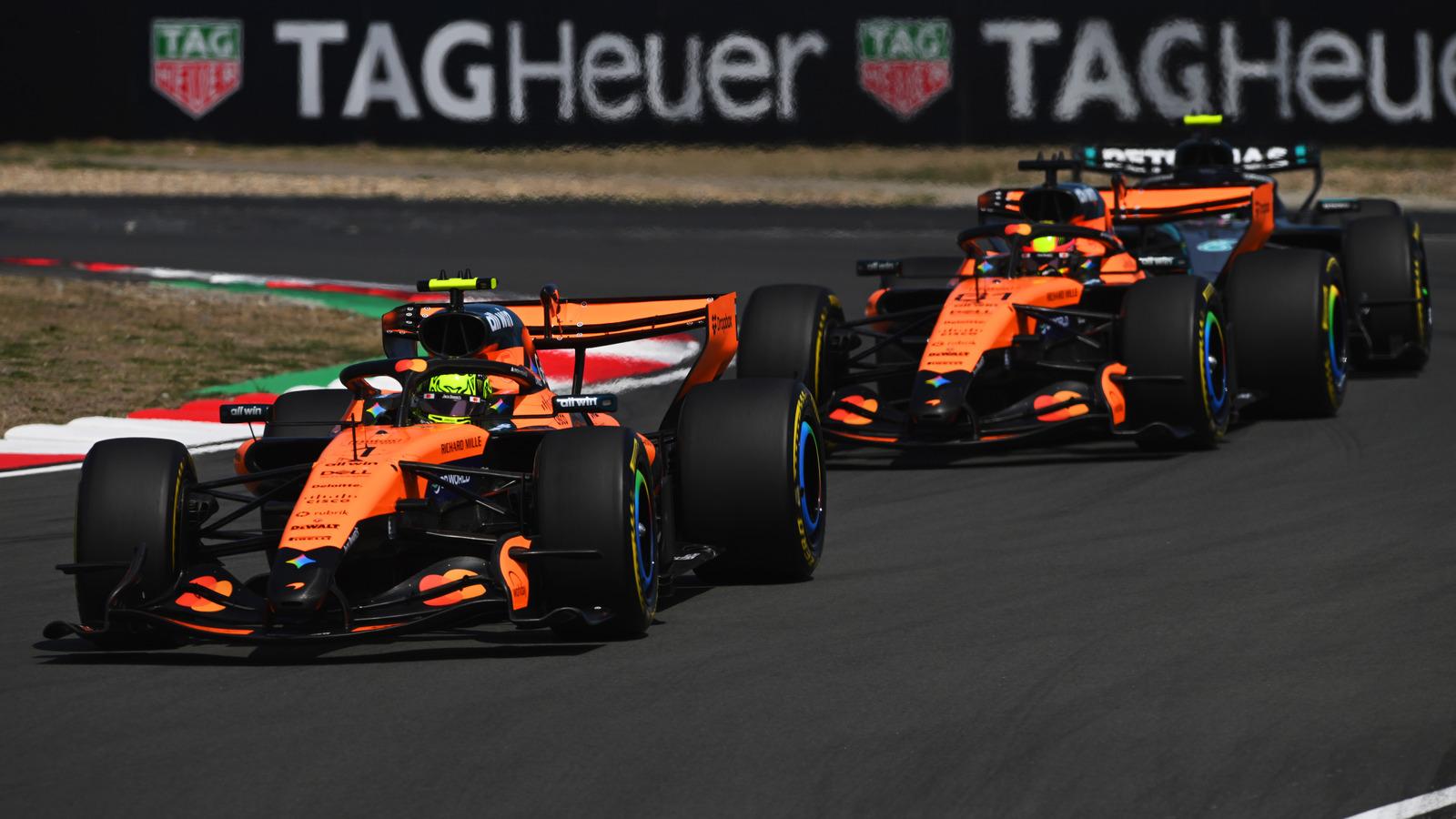
2026 Formula 1 New Ruleset: Why Driver Concerns Over Unreliability Are Growing After China
Image: 2026 Formula 1 New Ruleset: Why Driver Concerns Over Unreliability Are Growing After China – Performance and Specifications
- Advertisement -
The Formula 1 paddock is buzzing with a mix of excitement and genuine dread as the sport prepares for its most radical shift in history. Following the recent China Grand Prix, where the ‘unreliability’ of future regulations became a focal point of conversation, drivers and engineers alike are voicing concerns. For fans and stakeholders, the ‘price’ of this transition isn’t just financial—with the FIA Cost Cap set at approximately $135 million—it is the potential loss of the pure racing spectacle. This SEO-masterpiece explores whether the 2026 ruleset will elevate the sport or introduce a level of fragility that could sideline the world’s best drivers.
Design and Aerodynamics: The Shift to ‘Active’ Aero
The 2026 F1 cars are designed to be smaller, lighter, and more agile. The current ‘ground effect’ cars, while great for following, have been criticized for being too heavy (the ‘boat’ feel). The new regulations aim to shave off 30kg, bringing the minimum weight down to 768kg. However, the biggest design talking point is Active Aerodynamics.
- Advertisement -
The Introduction of X-Mode and Z-Mode
In a bid to reduce drag on straights and increase downforce in corners, the 2026 cars will feature movable front and rear wings. ‘Z-Mode’ will provide maximum downforce for cornering, while ‘X-Mode’ will flatten the wings for high-speed straights. This mechanical complexity is exactly what has drivers like Max Verstappen and Fernando Alonso worried about reliability. If a wing fails to deploy or retract, the safety implications at 200mph are catastrophic.
Chassis Dimensions: Smaller but Smarter?
The wheelbase is being shortened from 3600mm to 3400mm, and the width is narrowing from 2000mm to 1900mm. This ‘nimble car’ concept is intended to improve racing on tight street circuits, but it limits the space for the massive battery packs required by the new power units.
Performance: The 50/50 Power Split Dilemma
The heart of the 2026 unreliability debate lies in the Power Unit (PU). Formula 1 is moving to a near 50/50 split between internal combustion and electrical power. While the current MGU-H is being scrapped to entice new manufacturers like Audi and Ford, the reliance on the MGU-K is doubling.
- Advertisement -
The ‘Clipping’ Concern
Drivers have expressed fears that cars will ‘clip’—run out of electrical energy—halfway down long straights like the one in Shanghai. This could lead to awkward racing where drivers are forced to downshift on straights to harvest energy, a scenario many purists find abhorrent. The ICE (Internal Combustion Engine) will drop from 550kW to 400kW, while the battery output jumps from 120kW to 350kW.
Sustainable Fuels: A Green Future
For the first time, F1 will run on 100% sustainable ‘drop-in’ fuels. While environmentally revolutionary, the chemical composition changes the combustion cycle, requiring a total redesign of the engine’s internal architecture, further heightening the risk of DNFs (Did Not Finish) in the early stages of the 2026 season.
| Feature | 2022-2025 Era | 2026 Ruleset |
|---|---|---|
| ICE Power Output | Approx. 550-600 kW | Approx. 400 kW |
| Battery Power Output | 120 kW | 350 kW |
| Minimum Weight | 798 kg | 768 kg |
| MGU-H Component | Present | Removed |
| Fuel Type | 10% Ethanol (E10) | 100% Sustainable Fuel |
| Active Aero | DRS Only | Full Active Front/Rear Wings |
Interior Tech and Safety: NCAP Standards in F1
While F1 doesn’t use traditional NCAP ratings, the FIA’s crash-testing protocols for 2026 are the most stringent to date. The structural integrity of the ‘survival cell’ is being enhanced to withstand higher impacts, particularly as the cars will be lighter but potentially more prone to high-speed ‘tank-slappers’ due to the active aero transitions.
- Advertisement -
Enhanced Side Impact Protection
New regulations mandate a two-stage impact structure to better absorb energy during T-bone style accidents. Furthermore, the roll hoop requirements have been stiffened following Zhou Guanyu’s terrifying crash at Silverstone, ensuring the car remains a fortress even if the mechanical components fail.
2026 F1 Ruleset vs. Competitors
To understand the scale of this change, we compare the 2026 F1 Regulations against the current 2022-2025 ground-effect era and the all-electric Formula E Gen3 cars.
| Metric | 2026 F1 Ruleset | 2022-2025 F1 Era | Formula E Gen3 |
|---|---|---|---|
| Total Power | ~1000 hp | ~1000 hp | 470 hp |
| Top Speed | 350+ km/h | 360+ km/h | 322 km/h |
| Overtaking Aid | Manual Override Mode | DRS | Attack Mode |
| Environmental Impact | Net Carbon Zero Goal | High Carbon Footprint | Zero Tailpipe Emissions |
Variant-Wise Pricing: The Cost of Competition
In F1, ‘pricing’ refers to the development budget and the cost of power unit supply to customer teams. The FIA has capped these to ensure a level playing field.
- Advertisement -
| Cost Category | Estimated Price (USD) |
|---|---|
| Annual Team Budget Cap | $135,000,000 |
| Power Unit Supply (Per Season) | $15,000,000 – $20,000,000 |
| Driver Salaries | Excluded from Cap |
| Marketing & Travel | Excluded from Cap |
People Also Ask (FAQ)
- When do the 2026 F1 rules start? The new regulations will be implemented starting from the first race of the 2026 season.
- Will 2026 F1 cars be slower? Initial simulations suggested they might be slower, but the FIA expects lap times to remain comparable to current standards.
- Why is the MGU-H being removed? To reduce complexity and cost, attracting new manufacturers like Audi.
- What is the ‘Manual Override’ mode? It is a 2026 replacement for DRS that allows following cars to use more electrical energy to overtake.
- Is Audi joining F1 because of these rules? Yes, the 2026 ruleset was specifically designed to entice manufacturers with sustainable and electric-heavy technology.
- Will the cars look different? Yes, they will be narrower and shorter with different wing profiles.
- How much electric power will the cars have? 350kW, which is nearly triple the current 120kW.
- Are the tires changing? Pirelli is developing new compounds to handle the different torque profiles of the 50/50 power split.
- What are the ‘unreliability’ concerns? Drivers fear the cars will run out of battery on straights or suffer from active aero failures.
- Can teams start building 2026 cars now? Aerodynamic testing for 2026 is banned until January 1, 2025, to prevent top teams from gaining an unfair head start.
Verdict: Should We Be Worried?
The 2026 F1 ruleset is a double-edged sword. On one hand, it secures the sport’s future by attracting global giants like Audi and Ford. On the other hand, the complexity of active aero and the massive reliance on electrical energy threaten to turn races into ‘energy management’ sessions rather than flat-out sprints.
Pros:
– Environmentally sustainable with 100% green fuels.
– More agile cars should improve street circuit racing.
– New manufacturers bring more investment to the sport.
Cons:
– Risk of ‘clipping’ and losing power on straights.
– Extreme mechanical complexity could lead to higher DNF rates.
– Active aero failures could pose significant safety risks.
- Advertisement -