The Great Spark Plug Debate: Is the Premium Price Tag Just Marketing?
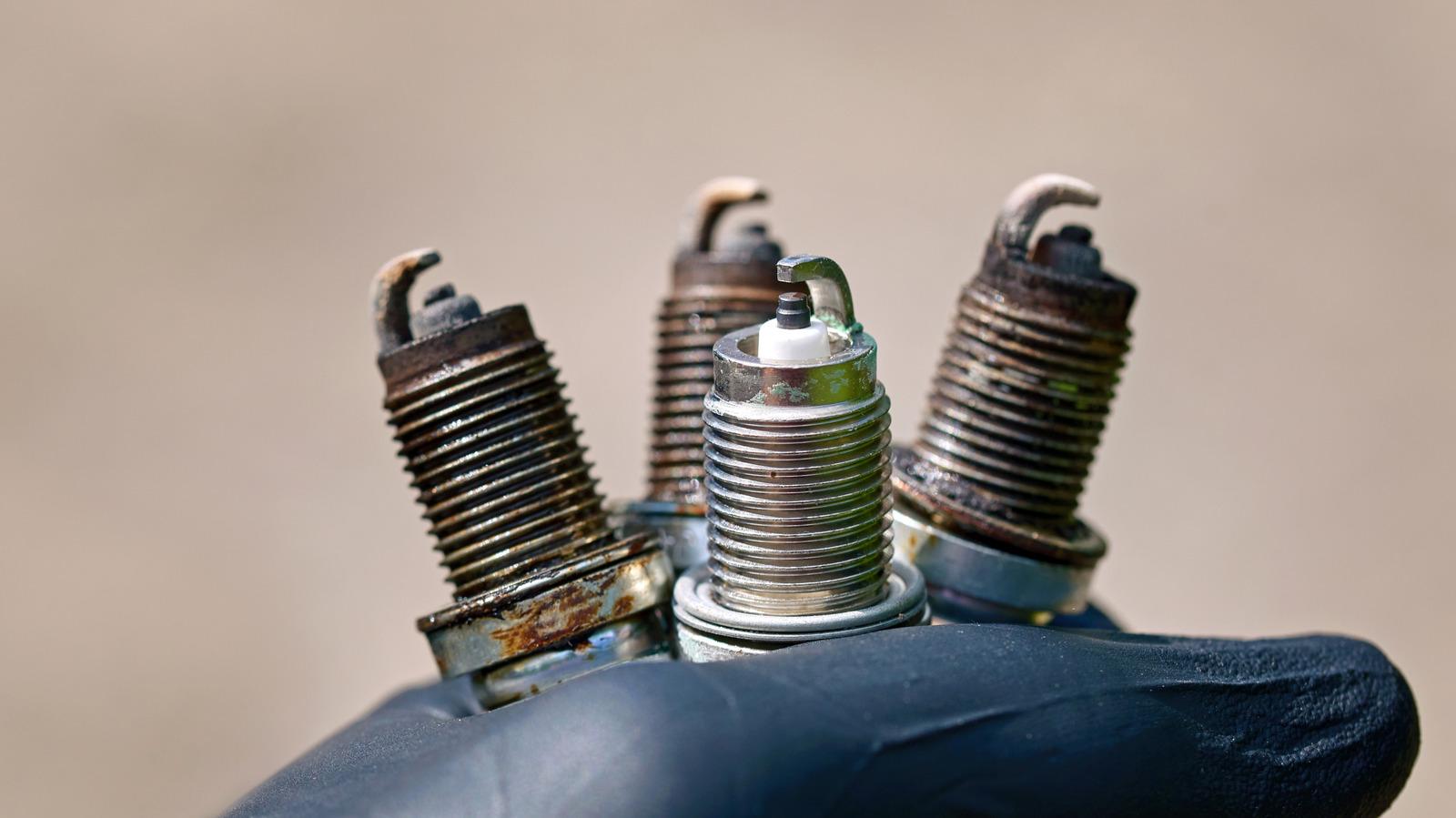
Platinum vs. Copper Spark Plugs: Why Saving a Few Bucks in 2026 Could Kill Your Engine
Image: Platinum vs. Copper Spark Plugs: Why Saving a Few Bucks in 2026 Could Kill Your Engine – Performance and Specifications
Advertisement
In the high-inflation economy of 2026, every vehicle owner is looking for ways to trim maintenance costs. When you walk into an auto parts store or browse online for a tune-up kit, the price discrepancy hits you immediately: a standard copper spark plug might cost you ₹250, while a high-end Iridium or Double-Platinum version commands upwards of ₹1,500. It is tempting—dangerously so—to ‘downgrade’ to cheaper copper plugs. After all, copper is a better conductor, right? While that statement is scientifically true, applying it to a modern 2026 engine is one of the most expensive mistakes a car owner can make.
Understanding the Metallurgy: Copper, Platinum, and Iridium
To understand why the price gap exists, we must look at the tip of the electrode. The core of almost every modern spark plug is actually copper because of its superior thermal conductivity. However, the 2026 generation of engines operates at higher pressures and temperatures than ever before, especially with the rise of high-compression hybrid powertrains.
Advertisement
The Conductivity Paradox
Copper is indeed the king of electrical conductivity. In a laboratory setting, a copper electrode produces a fantastic, broad spark. However, copper is a soft metal with a relatively low melting point. In the violent environment of a combustion chamber, the sharp edges of a copper electrode wear down rapidly. As the edge rounds off, it requires more voltage to jump the gap. This puts immense strain on your ignition coils—components that cost significantly more than a set of premium plugs.
Platinum: The Durability Standard
Platinum spark plugs feature a small platinum disc welded to the end of the center electrode. Platinum is much harder than the nickel-alloy coating used on copper plugs and has a significantly higher melting point. This allows the plug to maintain its ‘gap’ for 60,000 to 100,000 miles, whereas a copper plug begins to degrade after just 20,000 miles. For most 2026 drivers, this means you would change copper plugs four times in the lifespan of a single set of platinum ones.
Iridium: The 2026 Performance King
If you drive a vehicle manufactured after 2020, chances are it came from the factory with Iridium plugs. Iridium is six times harder and eight times stronger than platinum. This strength allows manufacturers to create ‘fine-wire’ electrodes (often just 0.4mm to 0.6mm in diameter). A thinner electrode requires less voltage to fire, resulting in better cold starts and more consistent combustion in the lean-burn cycles common in 2026 hybrid engines.
Advertisement
The ‘Downgrade Rule’: A Warning to Owners
The golden rule of 2026 automotive maintenance is simple: Never downgrade your spark plug type. If your owner’s manual specifies Iridium or Platinum, installing copper plugs can cause immediate issues. Modern Electronic Control Units (ECUs) are calibrated for the specific resistance and firing timing of precious metal plugs. Using copper can lead to misfires that the ECU cannot compensate for, eventually melting your catalytic converter—a repair bill that can easily exceed ₹1,00,000.
Impact on Ignition Coils and Fuel Economy
Worn electrodes or incorrect resistance values force the ignition coils to work harder to bridge the spark gap. In 2026, many vehicles use ‘Coil-on-Plug’ technology where each cylinder has its own dedicated transformer. Over-stressing these coils leads to premature failure. Furthermore, even a minor drop in spark efficiency can reduce fuel economy by 3% to 5%. Over 50,000 miles, the extra fuel cost alone would pay for the expensive Iridium plugs five times over.
| Feature | Copper (Standard) | Platinum (Premium) | Iridium (Ultra) |
|---|---|---|---|
| Service Life | 20,000 – 30,000 km | 80,000 – 100,000 km | 120,000 – 160,000 km |
| Melting Point | ~1,085°C | ~1,768°C | ~2,446°C |
| Voltage Demand | High (as it wears) | Moderate | Low (Fine-wire tech) |
| Best For | Vintage/Classic Cars | Daily Drivers (Pre-2015) | Modern/Turbo/Hybrid Engines |
Technical Specifications Comparison (2026 Top Brands)
Choosing the right brand is just as important as the material. In 2026, NGK and Bosch continue to lead the market with specialized coatings that prevent ‘seizing’ in aluminum cylinder heads.
Advertisement
| Brand & Series | Electrode Material | Core Tech | Anti-Seize Coating |
|---|---|---|---|
| NGK Laser Iridium | Iridium / Platinum | Trivalent Metal Plating | Yes (Zinc Chromateless) |
| Bosch Double Platinum | Pure Platinum (both ends) | Surface Air Gap | Nickel Plated |
| Denso Iridium Power | 0.4mm Iridium Alloy | U-Groove Ground | Trivalent |
Price Analysis: Variant-wise 2026 Market Rates
While prices vary by retailer, these are the average expected costs per unit for the 2026 service season.
| Plug Type | Average Price (Per Unit) | Full Set (4-Cyl) | Value Rating |
|---|---|---|---|
| Standard Copper | ₹250 – ₹400 | ₹1,000 – ₹1,600 | Budget / Temporary |
| G-Power Platinum | ₹600 – ₹900 | ₹2,400 – ₹3,600 | Balanced |
| Laser Iridium High-Performance | ₹1,200 – ₹1,800 | ₹4,800 – ₹7,200 | Best Long-Term |
| Ruthenium HX (Ultra-Premium) | ₹2,200+ | ₹8,800+ | Luxury/Modified |
People Also Ask (FAQ)
- Can I use copper plugs in a car designed for iridium? No, it will cause misfires, reduced fuel economy, and potential coil damage.
- Do expensive spark plugs increase horsepower? Not significantly. They restore lost power by ensuring consistent combustion, but they won’t make a stock engine faster than its factory rating.
- How often should I change Iridium plugs in 2026? Usually every 100,000 to 120,000 km, but check your owner’s manual for specific 2026 model intervals.
- What are the signs of a bad spark plug? Rough idling, engine surging, poor acceleration, and a ‘Check Engine’ light (Misfire codes P0300-P0304).
- Is NGK better than Bosch? NGK is generally preferred for Japanese/Asian vehicles, while Bosch is optimized for European engine tolerances.
- Why did my copper plugs fail after 10,000 km? High-energy modern ignition systems erode soft nickel/copper electrodes very quickly.
- Do I need to gap new Platinum plugs? Most premium plugs come pre-gapped. Manual gapping can actually damage the fragile precious-metal tip.
- Can bad spark plugs damage my catalytic converter? Yes, unburnt fuel from misfires enters the exhaust and ignites inside the converter, melting the internal honeycomb.
- Are ‘multi-ground’ spark plugs better? They offer a longer service life because the spark has multiple paths to choose from as one electrode wears.
- What is Ruthenium HX? It is the latest 2026 tech that provides even higher oxidation resistance than Iridium for turbocharged engines.
Verdict: Should You Buy Expensive Spark Plugs?
In 2026, the answer is a resounding YES. While the upfront cost is higher, the long-term savings in fuel, labor, and component protection make Platinum and Iridium the only logical choice for modern vehicles.
Pros:
Advertisement
- Exceptional service life (up to 150,000 km).
- Protects expensive ignition coils and catalytic converters.
- Optimized for the high-compression ratios of 2026 hybrids.
Cons:
- High initial purchase price.
- Fragile tips require professional handling during installation.