Bottom Line Up Front
If you love a shiny car and want to keep the paint looking new, paint protection film (PPF) can help, but it isn’t perfect.
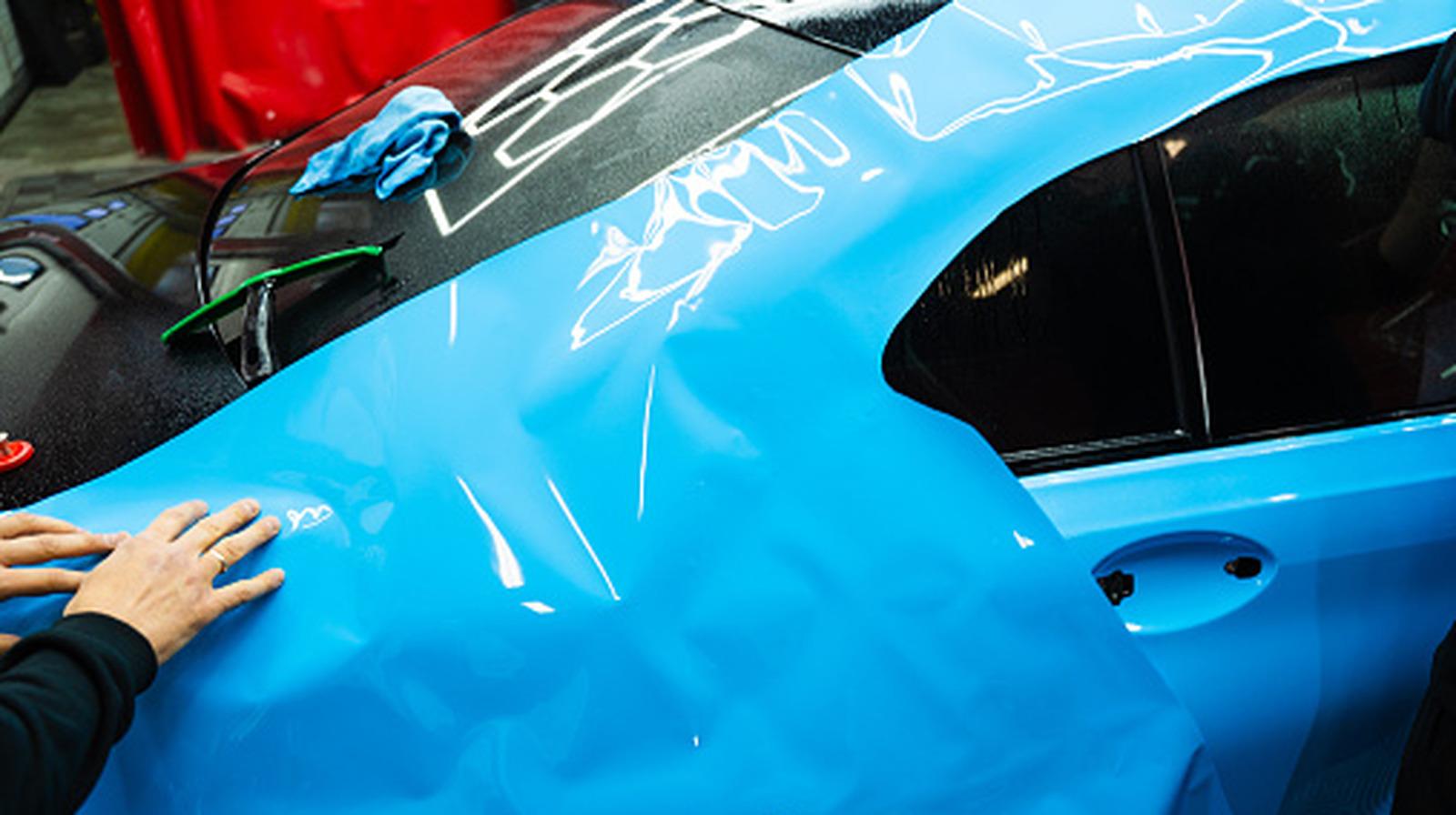
Paint Protection Film Pros & Cons: Should You Wrap Your Car?
Advertisement
Image: Paint Protection Film Pros & Cons: Should You Wrap Your Car? – Performance Comparison and Specifications
Design & Looks
PPF is a clear, flexible sheet that sticks to the car’s body. It’s almost invisible, so it doesn’t change the factory finish.
Advertisement
- Pro: Hides minor scratches, rock chips, and road grime, keeping the paint glossy longer.
- Con: Poorly installed film can bubble or lift, making the surface look worse.
- Pro: Some films have a matte or satin finish if you want a different look.
- Con: Over time, the film may yellow, especially on dark cars.
Performance & Mileage
Because the film sits on the paint, it adds a tiny amount of weight and can affect airflow.
- Pro: The weight is negligible—usually less than a pound—so fuel economy isn’t noticeably changed.
- Con: In very high‑speed driving, a low‑quality film might create a slight drag.
- Pro: The film can protect the paint from UV rays, reducing fade over thousands of miles.
- Con: If the film peels, it can expose raw paint to the elements, leading to rust.
Price & Rivals
PPF isn’t cheap, but it can save money on paint repairs.
- Pro: A professional install for a midsize sedan costs $800‑$1,200, often less than a single bumper repaint.
- Con: DIY kits are cheaper ($300‑$500) but risk bubbles, misalignment, and voided warranties.
- Pro: Alternatives like ceramic coating are less expensive and easier to apply, but they don’t stop chips.
- Con: Ceramic coatings wear off faster and need regular re‑application.
| Engine | Mileage | Price | Top Features |
|---|---|---|---|
| N/A (Film Type) | ~10,000‑30,000 miles before visible wear | $800‑$1,200 (professional) | Self‑healing scratches, UV protection, clear finish |
FAQ
- What is paint protection film? A clear, polyurethane film applied to a car’s exterior to shield the paint from chips, scratches, and UV damage.
- How long does PPF last? Most high‑quality films last 5‑10 years or about 30,000 miles before yellowing or cracking becomes noticeable.
- Is PPF worth the cost? If you drive on highways, through construction zones, or simply want to keep resale value high, many owners find the protection cost‑effective.
What’s your experience with paint protection film? Share your thoughts in the comments below.
Advertisement
Source: Read Official News