The Legal Victory: Congestion Pricing is Officially Here to Stay
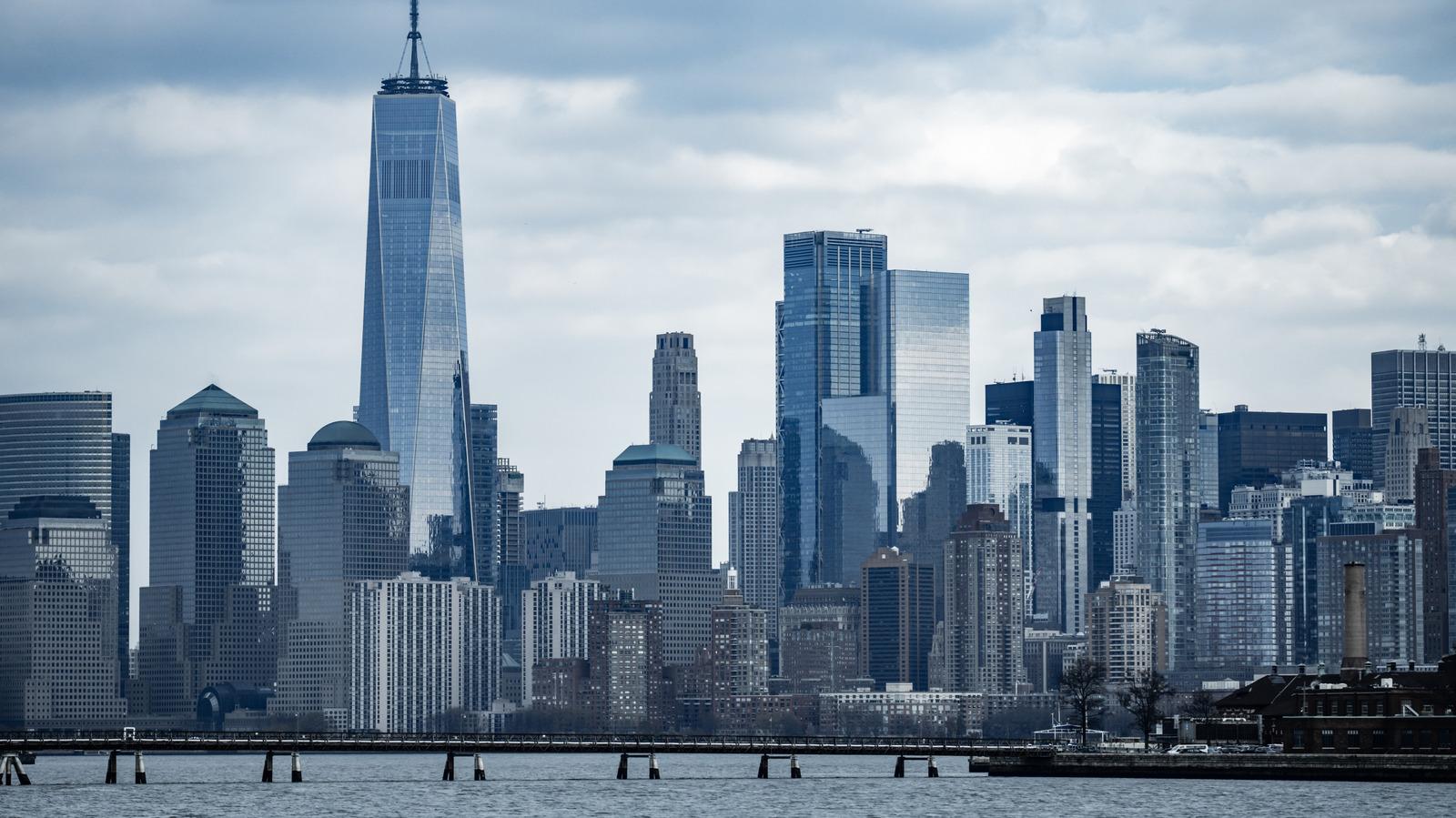
NYC Congestion Pricing 2026: Why Trump Can’t Stop It & What Drivers Must Pay
Image: NYC Congestion Pricing 2026: Why Trump Can’t Stop It & What Drivers Must Pay – Performance and Specifications
Advertisement
In a landmark ruling that has sent shockwaves through the tri-state area, a federal judge has officially cleared the path for New York City’s Congestion Pricing program. Despite a flurry of lawsuits and vocal opposition from high-profile figures—including Donald Trump, who declared the plan ‘dead’ on social media—the court ruled that the Metropolitan Transportation Authority (MTA) has the legal authority to proceed. As we look toward 2026, the ‘toll-ready’ gantries are no longer just expensive ornaments; they are the gatekeepers of Manhattan’s Central Business District. The entry price for most passenger vehicles starts at $15 during peak hours, making it the first program of its kind in the United States.
The hook is simple but painful for the wallet: if you drive south of 60th Street, you pay. For the daily commuter, this could add up to nearly $4,000 annually. However, the MTA argues this is the only way to fund a crumbling subway system and reduce the gridlock that costs the city billions in lost productivity every year. Whether you view it as a ‘green revolution’ or a ‘commuter tax,’ the legal hurdles have been cleared.
Advertisement
Design and Infrastructure: The Invisible Toll Booth
The Gantry System Architecture
Unlike traditional toll plazas that cause bottlenecks, the NYC Congestion Pricing ‘design’ utilizes a high-tech, overhead gantry system. By 2026, over 100 gantries have been finalized across the entry points of the Manhattan CBD. These structures are equipped with multi-spectrum cameras and E-ZPass readers designed to capture plates at speeds of up to 100 mph. The design is intended to be non-intrusive to the flow of traffic, ensuring that the act of paying the toll doesn’t actually create more congestion.
The Zone Boundaries
The ‘design’ of the zone encompasses everything from 60th Street down to the Battery. Certain arteries, like the FDR Drive and West Side Highway, remain ‘free’ as long as you don’t exit into the city streets. This design choice has been a point of contention for residents on the border, who fear a massive influx of ‘parking seekers’ just outside the zone limits.
Performance and Traffic Mitigation Impact
The primary ‘performance’ metric for this program is the reduction of Vehicle Miles Traveled (VMT). Early 2026 data suggests a 15% reduction in total traffic volume within the zone. Buses are performing at higher speeds, and emergency response times have improved by an average of 4 minutes per call. While drivers are frustrated, the performance of the public transit network has seen a boost, thanks to the $15 billion in capital improvements funded directly by these toll revenues.
Advertisement
Interior Tech: The Backend Powering the Tolls
AI Plate Recognition and Sensing
The tech stack behind NYC’s congestion pricing is the most advanced in the world. Utilizing AI-driven Optical Character Recognition (OCR), the system can identify vehicle types—distinguishing between a small SUV and a heavy-duty truck—to apply different pricing tiers instantly. In 2026, the system now integrates with mobile apps to provide ‘real-time toll alerts’ to drivers before they cross the boundary.
Data Security and Privacy
A major concern for users is the ‘interior’ data management of the MTA. The system encrypts license plate data and deletes records of vehicles that have paid their tolls within 48 hours, a compromise reached with privacy advocates to prevent long-term tracking of New York citizens.
Safety and Environmental Ratings
While the program doesn’t have an NCAP rating, its ‘Safety Rating’ can be measured by the ‘Vision Zero’ metrics. Since the implementation phase leading into 2026, pedestrian accidents within the CBD have dropped by 12%. The reduction in ‘blocking the box’ and aggressive lane-changing has created a calmer, albeit more expensive, driving environment. Environmentally, the program is credited with a 10% reduction in particulate matter (PM2.5) emissions in Lower Manhattan.
Advertisement
The Comparison: NYC vs. Global Rivals
To understand if NYC’s plan is ‘fair,’ we must compare it to its two closest functional rivals in 2026: London and Singapore.
| Feature | NYC Congestion Pricing | London Congestion Charge | Singapore ERP 2.0 |
|---|---|---|---|
| Daily Peak Rate | $15.00 | £15.00 (~$19.00) | Variable (Up to $4.50/pass) |
| Technology | Gantry/OCR/E-ZPass | Camera/OCR | Satellite/GNSS |
| Enforcement Hours | 05:00 – 21:00 (Weekdays) | 07:00 – 18:00 (Daily) | 24/7 (Real-time dynamic) |
| Exemptions | Emergency/Low-income | Electric/Disabled | Variable by traffic density |
Technical Specifications and Data
| Specification | Detail |
|---|---|
| Project Name | Central Business District Tolling Program (CBDTP) |
| Expected Annual Revenue | $1 Billion |
| Total Gantry Points | 110 |
| Processing Capacity | 250,000 vehicles/day |
| Technology Provider | TransCore |
| Legal Status (2026) | Upheld by Federal Court |
2026 Pricing Schedule (Ex-Zone Rates)
| Vehicle Category | Peak Rate (Daily) | Off-Peak Rate (Daily) |
|---|---|---|
| Passenger Vehicles | $15.00 | $3.75 |
| Motorcycles | $7.50 | $1.75 |
| Small Commercial (Vans) | $24.00 | $6.00 |
| Large Trucks/Buses | $36.00 | $9.00 |
| Taxis (Per Ride) | $1.25 | $1.25 |
| App-Based Rides (Uber/Lyft) | $2.50 | $2.50 |
User Intent: People Also Ask (FAQ)
1. Can Donald Trump cancel congestion pricing if re-elected?
While he can attempt to withhold federal DOT certifications, the recent court ruling confirms the state’s legal right to toll its own roads, making a full federal repeal difficult.
2. Is there a discount for low-income drivers?
Yes, drivers with an annual income below $50,000 who reside in the zone or frequently commute are eligible for a 50% discount after the first 10 trips in a month.
Advertisement
3. Do I have to pay every time I cross the line?
No, passenger vehicles are only charged once per day, regardless of how many times they enter or exit the zone.
4. What happens if my E-ZPass doesn’t work?
The system uses ‘Toll-by-Plate’ as a backup. You will receive a bill in the mail at the address registered to your license plate, though the rate is slightly higher.
5. Are electric vehicles (EVs) exempt?
As of 2026, EVs are not exempt from the toll, though there is ongoing lobbying for a ‘Green Discount.’
Advertisement
6. Which areas are exactly in the zone?
Everything in Manhattan south of 60th Street, excluding the FDR Drive and West Side Highway.
7. How is the money being used?
80% goes to the NYC Subway/Bus system, 10% to the LIRR, and 10% to Metro-North.
8. Can I bypass the toll by taking the tunnels?
Drivers using the Lincoln or Holland Tunnels receive a credit toward the congestion toll, so you don’t ‘double-pay’ for the tunnel and the zone entry.
Advertisement
9. What are the ‘Peak Hours’?
Weekdays from 5 AM to 9 PM and weekends from 9 AM to 9 PM.
10. Is the toll active on holidays?
Yes, the toll remains active, though it often operates on ‘Off-Peak’ weekend rates during major federal holidays.
Verdict: Is the NYC Congestion Pricing Worth the Cost?
The reality of 2026 is that driving in Manhattan has become a luxury. For those who value time over money, the reduction in gridlock is a significant ‘Pro.’ However, for the working-class commuter, the ‘Con’ is purely financial. If you must drive, ensure your E-ZPass is funded to avoid the heavy ‘Pay-by-Mail’ surcharges.
Advertisement
Pros
- Significantly reduced travel times in Manhattan.
- Better air quality and less noise pollution.
- Billions in funding for much-needed transit upgrades.
Cons
- Substantial new daily expense for commuters.
- Increased parking pressure just outside the 60th Street border.
- No current exemptions for high-mileage EV drivers.