The Sudden Halt: Why Indonesia Paused the 1.05 Lakh Unit Order from India
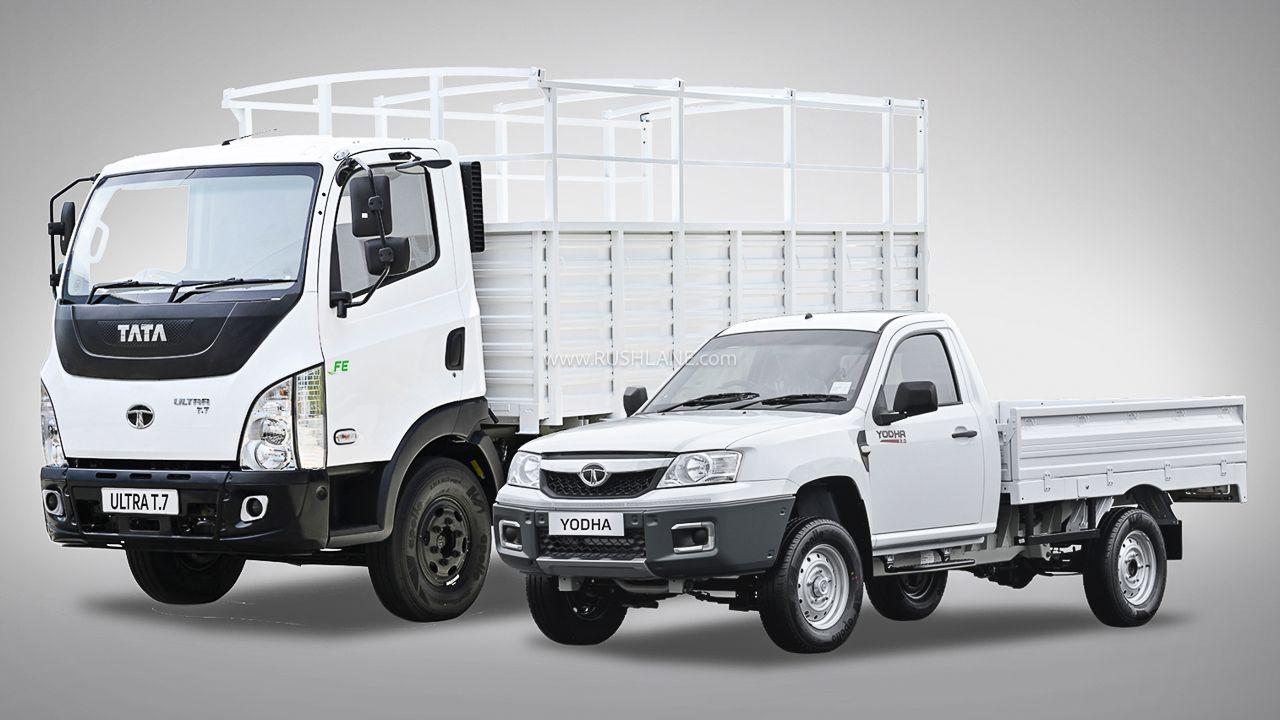
Indonesia Pauses 105,000 Vehicle Order From Tata & Mahindra: 2026 Trade Shocker Explained
Image: Indonesia Pauses 105,000 Vehicle Order From Tata & Mahindra: 2026 Trade Shocker Explained – Performance and Specifications
Advertisement
In a move that has sent shockwaves through the Asian automotive corridor, the Indonesian government has officially paused a massive procurement order of 105,000 commercial vehicles from Indian giants Tata Motors and Mahindra & Mahindra. This deal, initially hailed as a milestone for the ‘Make in India’ initiative in 2026, was aimed at modernizing Indonesia’s rural logistics and agricultural sectors. However, political pushback and lobbying from local industry bodies like GAIKINDO have forced a temporary standstill. While the initial contract value was estimated at nearly $1.8 billion, the pause highlights the growing friction between import-dependent modernization and domestic industrial protectionism.
The Vehicles in Question: Tata and Mahindra’s 2026 Lineup
The order focused primarily on small and medium commercial vehicles (SCVs and MCVs). Specifically, the 2026 iterations of the Tata Intra V50, Tata Ace EV 2.0, and the Mahindra Bolero MaXX Pik-Up were the centerpieces of this export strategy. These vehicles have been praised for their ‘frugal engineering’—offering high payloads at half the operating cost of Japanese rivals like the Toyota Hilux or Mitsubishi L300. In 2026, these models featured updated ADAS (Advanced Driver Assistance Systems) for commercial use and Euro-VI Phase 3 compliance, making them highly attractive for the Indonesian market.
Advertisement
Design and Performance: Built for the Toughest Terrains
Tata Motors: The Power of Intra and Ace
The 2026 Tata Intra V50 features a ‘Hydroformed’ chassis, a first in its segment, providing 20% higher structural rigidity. It is powered by a 1.5L DI diesel engine producing 80 HP and 190 Nm of torque. For urban logistics, the Ace EV 2.0 has become the gold standard with a 200km real-world range, a critical factor that made Indonesia consider the shift toward electrification in their logistics fleet.
Mahindra: The Dominance of Bolero MaXX
Mahindra’s 2026 Bolero MaXX Pik-Up introduced the iMAXX telematics system as standard, allowing fleet owners to track fuel theft and engine health in real-time. With a payload capacity of up to 2 tonnes and a wide cargo bed, it remains the most versatile choice for heavy-duty rural transport. The 2.5L m2Di engine remains a workhorse, now tuned for 5% better fuel efficiency compared to the 2025 model.
Technical Specifications Comparison (2026 Models)
| Feature | Tata Intra V50 (2026) | Mahindra Bolero MaXX (2026) | Toyota Hilux (LCV Variant) |
|---|---|---|---|
| Engine | 1.5L 4-Cylinder DI | 2.5L m2Di Diesel | 2.4L GD-Series Diesel |
| Power/Torque | 80 HP / 190 Nm | 81 HP / 220 Nm | 148 HP / 400 Nm |
| Payload Capacity | 1,500 kg | 2,000 kg | 1,000 kg |
| Fuel Efficiency | 17-19 km/l | 16.5 km/l | 12-14 km/l |
| Safety Rating | 3-Star (Global NCAP) | 3-Star (Global NCAP) | 5-Star (ASEAN NCAP) |
Interior Tech and Safety Standards
Commercial vehicles in 2026 are no longer bare-bones machines. The 2026 Mahindra Bolero MaXX features a digital instrument cluster, height-adjustable driver seats, and optional air conditioning. Safety has seen a massive upgrade; both Tata and Mahindra have integrated ABS with EBD and dual front airbags as standard for the export models, targeting a minimum 3-star safety rating to meet international norms. The Indonesian pause is particularly frustrating for Indian manufacturers because they had specifically customized the dashboard layouts to be Right-Hand Drive (RHD) compliant with Indonesian touchscreen interface languages.
Advertisement
Comparison with Closest Rivals in the Indonesian Market
| Parameter | Tata/Mahindra (India) | Mitsubishi L300 (Local) | Isuzu Traga (Local) |
|---|---|---|---|
| Price Point | Affordable ($10k – $14k) | Mid-Range ($16k – $18k) | Premium ($19k+) |
| Maintenance | Low (Universal Parts) | High (OEM Dependent) | Moderate |
| Tech Integration | High (Telematics/Apps) | Basic | Moderate |
| Market Trust | Growing | Legacy Leader | Strong in Logistics |
Variant-Wise Pricing (Estimated Ex-Showroom 2026)
| Model Variant | Estimated Price (INR) | Estimated Price (IDR – Million) |
|---|---|---|
| Tata Ace EV 2.0 | ₹11.50 Lakh | IDR 215 |
| Tata Intra V50 AC | ₹9.20 Lakh | IDR 172 |
| Mahindra Bolero MaXX City 1.3 | ₹8.40 Lakh | IDR 157 |
| Mahindra Bolero MaXX HD 2.0L | ₹10.80 Lakh | IDR 202 |
User Sentiments: What the Market is Saying
Feedback from early pilot testers in Indonesia suggests that while the Pros include exceptional fuel economy and high ground clearance (perfect for palm oil plantations), the Cons revolve around the lack of a widespread service network compared to Mitsubishi. Many Indonesian fleet owners have expressed concern that the ‘pause’ in imports might lead to a shortage of spare parts for those who have already transitioned to Indian-made trucks.
People Also Ask (FAQ)
- Why did Indonesia stop the Tata Mahindra order? Protectionism and pressure from local automotive bodies to prioritize local assembly (CKD) over imports.
- Is the Tata Intra V50 available in diesel? Yes, the 2026 model comes with a 1.5L DI diesel engine.
- What is the payload of the 2026 Bolero MaXX? It ranges from 1.3 tonnes to 2.0 tonnes depending on the variant.
- Can Tata Ace EV run in heavy rain? Yes, the 2026 Ace EV 2.0 has an IP67-rated battery and motor.
- Is Mahindra Bolero MaXX better than Toyota Hilux? For load-carrying and cost-efficiency, yes. For comfort and speed, the Hilux is superior.
- What is the range of Tata Ace EV 2.0? It offers a certified range of 215km and a real-world range of approximately 180-200km.
- Are Indian commercial vehicles safe? The 2026 models feature ABS, EBD, and airbags, meeting most international 3-star standards.
- How much does the Mahindra Bolero MaXX cost in 2026? Prices start around ₹8.40 Lakh ex-showroom.
- Will the Indonesia deal be canceled? Currently, it is only ‘paused’ for renegotiation of local assembly terms.
- Who are the main competitors of Tata in Indonesia? Mitsubishi (L300), Isuzu (Traga), and Toyota (Hilux).
Verdict: Should You Wait for This Export Tussle to Resolve?
The Pros: Unmatched value for money, robust build for rural terrains, and advanced telematics for fleet management.
The Cons: Geopolitical instability affecting parts availability and lower resale value compared to Japanese brands in Southeast Asia.
Advertisement
Final Word: If you are a fleet owner looking for the lowest TCO (Total Cost of Ownership) in 2026, the Tata and Mahindra commercial range remains unbeatable. However, the Indonesian pause serves as a reminder that global trade can be volatile. For Indian buyers, this means more supply is diverted to the domestic market, potentially leading to better year-end discounts in late 2026.