The Rise of Mileage Blockers: A Multi-Million Pound Threat to eVED
Illegal Mileage Blockers & UK Pay-Per-Mile EV Tax: 2026 Update and Risks
Image: Illegal Mileage Blockers & UK Pay-Per-Mile EV Tax: 2026 Update and Risks – Performance and Specifications
- Advertisement -
As the UK marches toward the 2028 implementation of eVED (Electric Vehicle Excise Duty), a shadow industry is booming. Illegal mileage blockers, ranging in price from £200 to £900, have become the primary weapon for drivers looking to dodge upcoming pay-per-mile taxes. While the technology isn’t new, its application in the era of electric vehicles (EVs) and plug-in hybrids (PHEVs) is creating a regulatory nightmare for the Department for Transport. By 2026, experts predict that up to 5% of the UK’s EV fleet could be equipped with these hard-to-detect devices, aimed at freezing odometers to avoid the 3p-per-mile levy.
The Mechanics of Mileage Fraud: How the £200 Tech Works
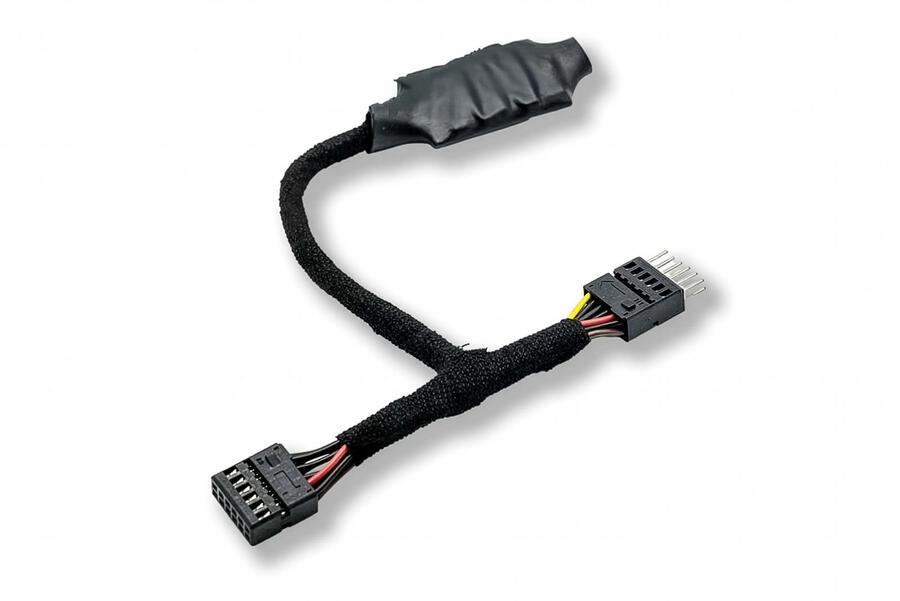
Mileage blockers are small electronic components that plug into a vehicle’s CAN-bus (Controller Area Network) system. Unlike the ‘mileage correction’ software of the past, these devices do not roll back the odometer; they stop it from counting in the first place. By intercepting signals between the wheel speed sensors and the instrument cluster, they allow the vehicle to be driven hundreds of miles while the dashboard remains static. While sold as ‘test equipment’ for dynamometer use, their application on public roads is strictly illegal for tax evasion or fraud.
- Advertisement -
The 2028 Pay-Per-Mile Roadmap: 2026 Preparations
The government’s eVED scheme is designed to plug the multi-billion pound hole left by declining fuel duty revenues. Scheduled to start in April 2028, the tax applies a rate of 3p per mile for EVs and 1.5p per mile for PHEVs. Drivers will be required to self-declare their mileage annually, similar to an MOT or tax renewal. However, the reliance on the vehicle’s odometer makes the system vulnerable. In 2026, we are seeing the first wave of ‘anti-tamper’ legislation aimed at manufacturers to ensure odometer data is encrypted and harder to manipulate via third-party hardware.
Detailed Performance and Technical Impact
Installing a mileage blocker isn’t just a legal risk; it’s a technical one. In modern EVs like the Tesla Model 3 or VW ID.4, the odometer reading is used to manage battery health cycles, thermal management, and safety systems like ABS and Traction Control. Interfering with the CAN-bus can lead to catastrophic failures in the vehicle’s ADAS (Advanced Driver Assistance Systems). In 2026, insurers are already using telematics data to cross-check physical odometer readings, making it increasingly difficult to hide the use of blockers.
| Vehicle Model (2026 Spec) | Battery Capacity (kWh) | Max Range (WLTP) | 0-60 MPH (Sec) | Charging Speed (DC) |
|---|---|---|---|---|
| Tesla Model 3 Highland | 75.0 | 391 Miles | 4.2 | 250 kW |
| VW ID.4 Pro Performance | 77.0 | 337 Miles | 6.7 | 135 kW |
| Hyundai Ioniq 5 N-Line | 84.0 | 315 Miles | 5.1 | 350 kW |
The 2026 EV Tax Comparison Table
To understand the financial incentive for fraud, we must look at the estimated annual costs for drivers. A driver covering the UK average of 10,000 miles per year faces a significant new annual bill under eVED.
- Advertisement -
| Vehicle Type | Annual Mileage | Rate Per Mile | Estimated Annual Tax | Potential Saving with Blocker |
|---|---|---|---|---|
| Electric (EV) | 10,000 | 3.0p | £300 | Up to £300 |
| Plug-in Hybrid (PHEV) | 10,000 | 1.5p | £150 | Up to £150 |
| High-Mileage Fleet EV | 30,000 | 3.0p | £900 | Up to £900 |
The Legal Landscape: Penalties and Risks in 2026
In 2026, the UK government is expected to tighten the Road Traffic Act to specifically criminalize the possession of mileage blockers with the intent to defraud the eVED system. Currently, selling them is a grey area, but using them on a public road constitutes fraud and can lead to vehicle seizure, heavy fines, and even prison time. Furthermore, vehicles found with mileage discrepancies will fail their MOT automatically, rendering them unroadworthy and unsellable on the used market.
Why Mileage Blockers are Dangerous for Modern Tech
Beyond the legalities, blockers can cause ‘ghost’ errors in the ECU. For instance, the car may think it has only traveled 5,000 miles, but the physical wear on the suspension and tires suggests 20,000. This discrepancy can lead to the car’s computer miscalculating the remaining range, potentially leaving a driver stranded.
The Impact on Secondary Markets
Used car buyers in 2026 are advised to be hyper-vigilant. A car with an unnaturally low mileage for its age might be a ‘clocked’ EV. Always check the service history and digital logs stored in the manufacturer’s cloud—most modern EVs sync data that is much harder to manipulate than a simple odometer.
- Advertisement -
Anti-Tamper Technology in New EVs
Manufacturers like Volvo and BMW are leading the way with blockchain-based odometer tracking. By 2026, many new models will transmit real-time mileage data to encrypted servers, making physical blockers obsolete for anyone hoping to fool the tax man.
The Ethics of Tax Avoidance
While the 3p-per-mile tax is controversial, it is intended to fund the very roads EVs drive on. Avoiding this tax shifts the burden to other taxpayers and delays the transition to sustainable infrastructure.
People Also Ask (FAQ)
- Are mileage blockers illegal to buy in the UK? No, they are legal to buy for ‘testing purposes,’ but illegal to use on public roads.
- How does the UK pay-per-mile EV tax work? Known as eVED, it charges 3p per mile for EVs and 1.5p for PHEVs, starting in 2028.
- Can an MOT detect a mileage blocker? Yes, discrepancies between various control units usually reveal the presence of a blocker.
- What is the penalty for odometer fraud in 2026? It can range from fines to 2 years in prison for serious fraud.
- Does the EV tax apply to old electric cars? Yes, the tax applies to all EVs and PHEVs regardless of age once implemented.
- How much do mileage blockers cost? They typically retail between £200 and £900 depending on the car brand.
- Will Tesla vehicles work with mileage blockers? While some exist, Tesla’s frequent software updates often disable them or flag the car for ‘unauthorized tampering.’
- Is pay-per-mile replacing fuel duty? It is intended to recover lost revenue from fuel duty as more people switch to EVs.
- Do I have to self-declare my mileage? Yes, initial plans suggest an annual self-declaration verified by MOT records.
- Will there be a cap on the mileage tax? Currently, no cap has been announced for private vehicles.
Verdict: Should You Consider a Mileage Blocker?
The Answer: Absolutely Not.
- Advertisement -
While the £300-£900 annual saving might seem tempting, the risks far outweigh the rewards. Between the potential for catastrophic electronic failure, the loss of vehicle warranty, and the high probability of being caught during an MOT or through manufacturer telematics, mileage blockers are a losing bet.
- Pros of Mileage Blockers: Potential tax savings, slightly higher resale value (if undetected).
- Cons of Mileage Blockers: Illegal (Fraud), safety system interference, voided warranties, high initial cost, and 2026 anti-tamper tech makes them easy to spot.