The Invisible Performance Killer: Mastering Vacuum Leak Detection in 2026
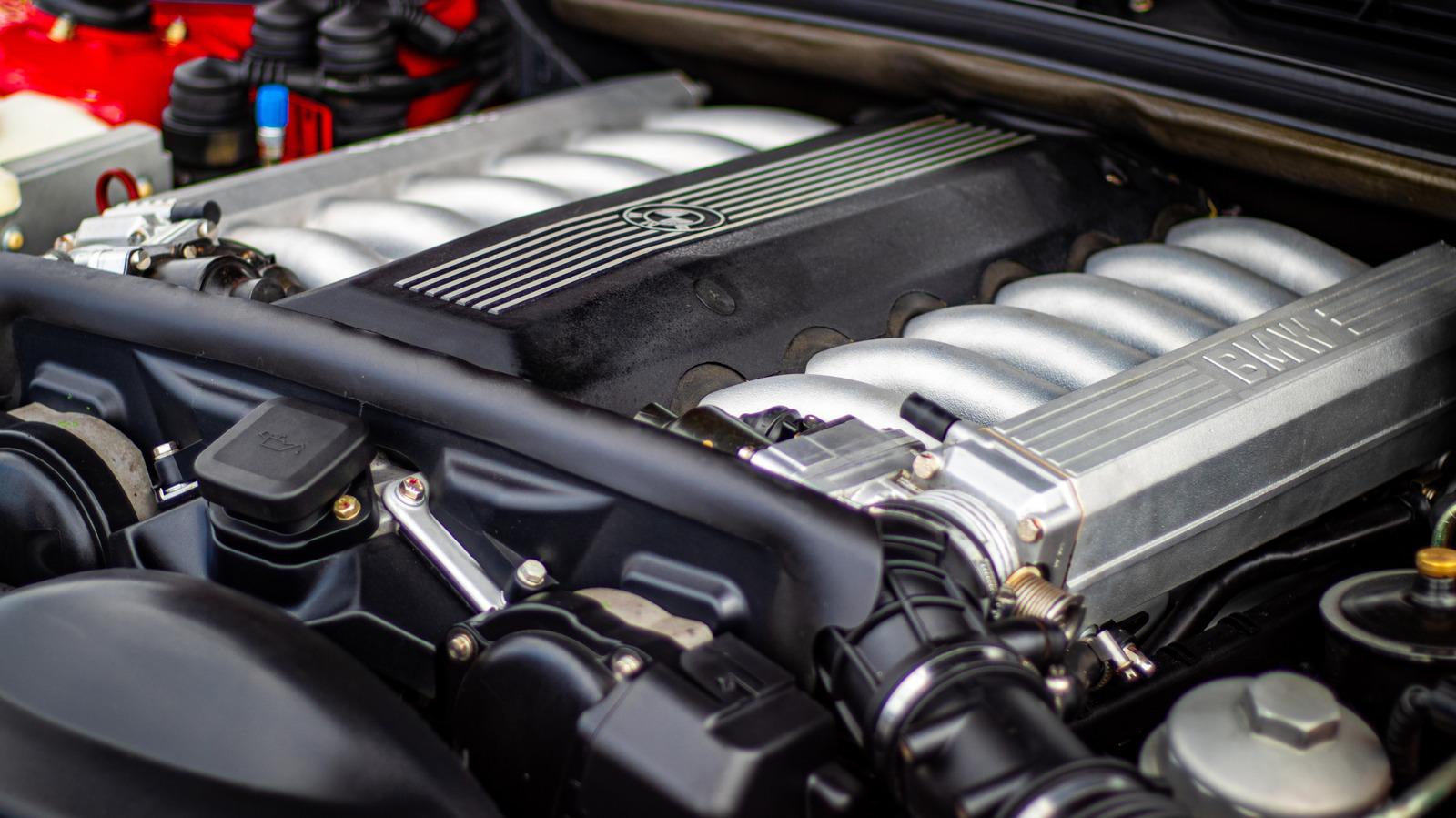
How To Find (And Fix) An Engine Vacuum Leak Yourself (2026 DIY Guide)
Image: How To Find (And Fix) An Engine Vacuum Leak Yourself (2026 DIY Guide) – Performance and Specifications
Advertisement
It starts with a subtle stumble at a red light. Then, the dreaded ‘Check Engine’ light flickers on. In 2026, modern high-compression engines and sophisticated hybrid powertrains are more sensitive than ever to air-fuel ratios. A vacuum leak—essentially unmetered air entering the engine—can transform a smooth-running machine into a fuel-chugging, stalling nightmare. While a dealership might quote you $300 to $800 just for diagnostics and labor, you can often locate and repair the issue yourself for under $50. This guide breaks down the professional techniques used by master techs to isolate leaks in minutes.
Why Vacuum Leaks Are More Critical in 2026 Vehicles
As we push toward 2027 emissions standards, modern Engine Control Units (ECUs) operate on razor-thin margins. A tiny crack in a rubber grommet or a loose intake plenum bolt triggers immediate ‘Lean’ codes (P0171 or P0174). In 2026 models, vacuum systems aren’t just for brake boosters; they control active grille shutters, turbocharger wastegates, and complex EVAP recovery systems. Ignoring a leak doesn’t just hurt your MPG—it can lead to catalytic converter failure, costing you thousands.
Advertisement
Top 3 Diagnostic Methods to Locate a Vacuum Leak
Identifying the source of the leak is 90% of the battle. Below are the three most effective DIY methods, compared for efficiency and safety.
| Method | Ease of Use | Effectiveness | Risk Level | Required Tools |
|---|---|---|---|---|
| The Smoke Test | High | 99% | Zero | Smoke Machine / Paint Can DIY |
| Propane/Carb Cleaner | Medium | 80% | High (Flammable) | Propane Torch or Spray Can |
| Soapy Water Spray | High | 60% | Low | Spray Bottle + Dish Soap |
1. The Professional Choice: The Smoke Test
In 2026, tech-savvy DIYers are moving away from flammable sprays and toward affordable EVAP-safe smoke machines. By injecting thick, white smoke into the intake manifold while the engine is off, the smoke will billow out of the exact point of the leak. It is the only foolproof way to find microscopic cracks in hard-to-reach areas like the underside of the intake manifold.
2. The ‘Old School’ Carb Cleaner Trick
While the engine is idling, you carefully spray small bursts of carburetor cleaner or propane around suspected areas like vacuum lines, the throttle body, and the intake manifold gasket. If the engine RPM fluctuates or the idle smooths out momentarily, you’ve found your leak. Warning: Modern 2026 engine bays are packed with plastic components and heat-shielding; ensure you do not spray near hot exhaust manifolds to avoid fire hazards.
Advertisement
3. The Soapy Water Method (Best for Pressurized Systems)
If your vehicle is turbocharged (as most 2026 models are), the leak might only occur under boost. While the car is idling, spraying a mixture of dish soap and water on hoses can reveal ‘bubbles’ if there is a slight positive pressure or a ‘sucking’ sound if the vacuum is strong enough to pull the liquid in.
Common Leak Locations & Estimated Repair Costs
Before you tear apart your engine, check these ‘usual suspects.’ In 2026 vehicles, heat cycles often degrade plastic components faster than metal ones.
| Component | Common Symptom | DIY Cost (Est.) | Shop Cost (Est.) |
|---|---|---|---|
| Intake Manifold Gasket | Rough Idle when Cold | $25 – $60 | $400 – $700 |
| PCV Valve/Hose | Oil Consumption / P0171 | $15 – $40 | $150 – $250 |
| Brake Booster Hose | Hard Brake Pedal | $10 – $30 | $120 – $200 |
| EVAP Purge Valve | Hard Start after Refueling | $45 – $90 | $200 – $350 |
| Vacuum Pump (Hybrids) | Total Brake Assist Loss | $150 – $300 | $600 – $900 |
Step-by-Step: How to Fix the Leak
- Isolate the Hose: Once the leak is found, remove the clamps. In 2026 models, many use ‘constant tension’ spring clamps—use pliers to slide them back.
- Clean the Port: Use a scotch-brite pad to remove any corrosion or old rubber residue from the metal fitting to ensure a perfect seal.
- Replace with High-Temp Silicone: When replacing hoses, upgrade from standard rubber to high-temp silicone. It resists the extreme under-hood temperatures of modern turbocharged engines better.
- Torque to Spec: If the leak is at the intake manifold, do not just tighten the bolts. Use a torque wrench. Over-tightening plastic manifolds can lead to permanent warping.
Advanced 2026 Sensor Diagnostics
Don’t just fix the leak; verify it with data. Use a cheap OBD-II Bluetooth dongle to monitor ‘Short Term Fuel Trim’ (STFT). At idle, a vacuum leak will show a high positive number (e.g., +15% to +25%). Once you fix the leak, the STFT should drop back to near 0%. If it stays high, you have another leak elsewhere.
Advertisement
People Also Ask (FAQ)
What are the symptoms of a vacuum leak?
Common symptoms include a high or fluctuating idle, poor acceleration, a ‘hissing’ sound from the engine bay, decreased fuel economy, and a Check Engine Light with Lean codes (P0171/P0174).
Is it safe to drive with a vacuum leak?
Short distances are usually okay, but a vacuum leak causes the engine to run lean (too much air). This increases combustion temperatures, which can damage spark plugs, valves, and your catalytic converter over time.
Can a vacuum leak cause a car to stall?
Yes, especially when coming to a stop. If the leak is large enough, it disrupts the air-fuel mixture so much that the engine cannot maintain idle speed.
Advertisement
How much does it cost to fix a vacuum leak?
If it’s a simple hose, it can cost under $10. If the intake manifold gasket needs replacement, parts are usually $40, but the labor at a shop can drive the total to over $500.
Will a vacuum leak fix itself?
No. Rubber and plastic components only degrade further with heat and time. A small leak today will inevitably become a major drivability issue tomorrow.
Does a vacuum leak affect brakes?
Yes. Most gas engines use engine vacuum to assist the brake booster. A significant leak can result in a ‘hard’ brake pedal, requiring much more physical force to stop the vehicle.
Advertisement
Can I use WD-40 to find a vacuum leak?
It is possible, but not recommended. WD-40 is less volatile than carb cleaner and can leave a messy residue. Propane or a dedicated smoke machine is safer and more effective.
What sensor detects a vacuum leak?
The Mass Air Flow (MAF) sensor and the Oxygen (O2) sensors work together to detect that more air is entering the cylinders than the computer originally measured, triggering a fault code.
How do I know if my intake manifold is leaking?
Spray soapy water or carb cleaner along the seam where the manifold meets the cylinder head. If the engine RPM changes or bubbles are sucked in, the gasket is blown.
Advertisement
Do EVs have vacuum leaks?
While EVs don’t have engine vacuum, many still use a dedicated electric vacuum pump for the braking system. A leak in these lines will cause the pump to run constantly, leading to premature pump failure.
The Verdict: Should You Fix It Yourself?
Pros: High cost savings (save $500+), improves fuel economy immediately, and prevents long-term engine damage. Most repairs require only basic hand tools.
Cons: Some leaks are located behind the engine block or under the intake plenum, requiring significant disassembly. Requires patience and methodical testing.
Advertisement
Final Word: If you can identify the leak using a smoke test or spray, and it is a simple hose or a reachable gasket, DIY is the way to go. However, if the leak is coming from the brake booster internal diaphragm or a buried turbocharger wastegate line, you may want to consult a professional.