The Electric Revolution: What to Expect by 2026
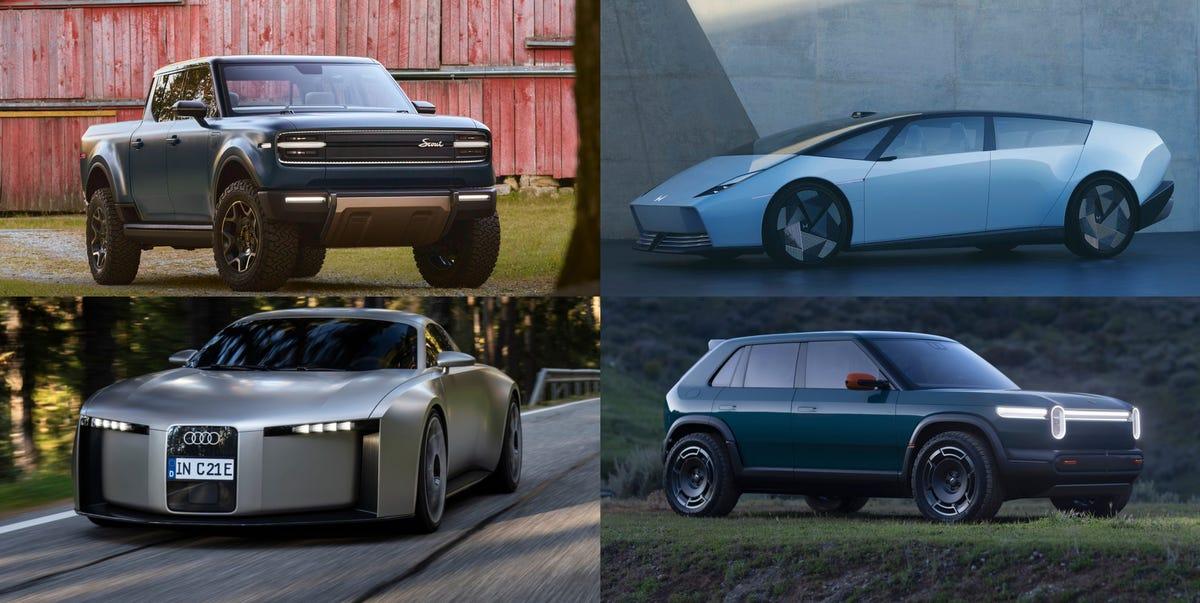
Future Electric Vehicles 2026: The Definitive Guide to Upcoming EVs You’ll Soon Buy
Image: Future Electric Vehicles 2026: The Definitive Guide to Upcoming EVs You’ll Soon Buy – Performance and Specifications
- Advertisement -
The automotive landscape is undergoing its most significant transformation since the invention of the assembly line. If you are planning your next vehicle purchase, the question is no longer ‘if’ you should go electric, but ‘when.’ By 2026, the market will shift from early-adopter luxury toys to high-utility, long-range machines that cater to every demographic. From the $25,000 ‘affordable’ Tesla to the ultra-luxury Cadillac Celestiq, the 2026 lineup promises to solve the two biggest hurdles: range anxiety and entry price. Current estimates suggest entry-level EVs will start as low as ₹20-25 Lakhs in the Indian context, while global markets will see a surge in sub-$30,000 models.
The Design Evolution: Aerodynamics Meets Futurism
Designers are no longer constrained by the bulky dimensions of internal combustion engines. In 2026, we are seeing a move toward ‘cab-forward’ designs. Vehicles like the Audi A6 e-tron and the Polestar 5 utilize dedicated EV platforms (like the PPE and SEA architectures) to maximize interior volume while maintaining a sleek, drag-reducing silhouette. Consumers on forums like Reddit and Electrek are particularly praising the ‘minimalist’ yet ‘functional’ approach of upcoming dashboards that integrate augmented reality (AR) heads-up displays.
- Advertisement -
Performance and Battery Tech: The 500-Mile Milestone
Performance in 2026 isn’t just about 0-60 mph times—though the upcoming Tesla Roadster aims for a sub-1.9 second sprint. The real focus is on ‘solid-state’ and high-nickel batteries. These new cells offer faster charging (10% to 80% in under 15 minutes) and significantly higher energy density. Users often complain about ‘cold weather range drop,’ a pain point that 2026 models from brands like Volvo and Hyundai are addressing with advanced heat pump systems and thermal management.
Interior Tech and Safety: The NCAP Standard
Safety is non-negotiable. Most 2026 EVs are being built to exceed 5-star Euro NCAP and Global NCAP ratings. Standard features now include Level 3 Autonomous Driving capabilities, 360-degree LiDAR sensing, and AI-driven predictive braking. Inside, expect massive hyperscreens and ‘Software-Defined Vehicle’ (SDV) architectures that allow for over-the-air (OTA) updates to improve horsepower or battery efficiency overnight.
The Rivals: 2026 Comparison of Entry-Level Luxury EVs
| Feature | Tesla ‘Redwood’ (2026) | Chevy Bolt EV (Next Gen) | VW ID.2all |
|---|---|---|---|
| Estimated Price | $25,000 / ₹22 Lakh | $28,500 / ₹24 Lakh | $27,000 / ₹23 Lakh | Battery Range | 250 – 300 Miles | 270 Miles | 280 Miles | Charging Speed | 250kW DC Fast | 150kW DC Fast | 125kW DC Fast | 0-60 MPH | ~6.5 Seconds | ~6.9 Seconds | ~7.0 Seconds |
Detailed Technical Specifications: 2026 Flagship EVs
| Model | Battery Capacity | Max Power (HP) | Drivetrain | Top Speed |
|---|---|---|---|---|
| Audi A6 e-tron | 100 kWh | 469 hp | AWD (Quattro) | 210 km/h |
| Porsche 718 EV | 82 kWh | 450 hp | RWD/AWD | 250 km/h |
| Scout SUV | 120 kWh | 600 hp | 4WD | 180 km/h |
| Lucid Gravity | 118 kWh | 800+ hp | AWD | 240 km/h |
Variant-Wise Estimated Pricing (Ex-Showroom)
| Variant Name | Features Included | Estimated Price (USD) | Estimated Price (INR) |
|---|---|---|---|
| Standard Range (SR) | LFP Battery, RWD, 18″ Alloys | $25,000 | ₹21,00,000 |
| Long Range (LR) | NMC Battery, AWD, Premium Audio | $32,000 | ₹27,00,000 |
| Performance / Plaid | Tri-Motor, Carbon Fiber Trim, 21″ Alloys | $45,000 | ₹38,00,000 |
People Also Ask: Future EV FAQ
1. Which EV is coming in 2026?
Major launches include the Tesla Model 2 (Redwood), Audi A6 e-tron, Scout SUV, Porsche 718 Electric, and the refreshed Chevrolet Bolt.
- Advertisement -
2. Will EV prices drop by 2026?
Yes, due to economies of scale and cheaper LFP (Lithium Iron Phosphate) battery chemistry, average EV prices are expected to drop by 15-20%.
3. What is the longest-range EV in 2026?
The Lucid Air Sapphire and the upcoming Mercedes-Benz EQXX-inspired production models are targeting ranges over 500 miles (800 km).
4. Should I wait for a 2026 EV or buy now?
If you need a car today, current EVs like the Ioniq 6 are excellent. However, waiting for 2026 will give you access to NACS (Tesla) charging ports as standard on most brands.
- Advertisement -
5. Will solid-state batteries be available in 2026?
Limited production ‘semi-solid-state’ batteries will appear in high-end models from Toyota and NIO by late 2025/2026.
6. Is Tesla Redwood coming to India?
While not officially confirmed, the $25,000 platform is the primary candidate for Tesla’s planned Indian manufacturing facility.
7. How long do 2026 EV batteries last?
Most manufacturers are now offering 10-year or 150,000-mile warranties, with batteries expected to retain 80% health over 15 years.
- Advertisement -
8. Can 2026 EVs power my home?
Yes, Bidirectional charging (V2H – Vehicle to Home) will be a standard feature in most 2026 SUVs like the Kia EV9 and Ford F-150 Lightning.
9. What is the fastest charging EV in 2026?
Models using the 800V architecture (Hyundai, Kia, Audi, Porsche) will remain the fastest, capable of adding 200 miles in 10 minutes.
10. Are 2026 EVs truly eco-friendly?
With increased ‘green steel’ usage and recycled battery minerals (circular economy), the carbon footprint of manufacturing a 2026 EV is 30% lower than 2020 models.
- Advertisement -
Verdict: Should You Buy It?
The 2026 crop of electric vehicles represents the ‘sweet spot’ of automotive history. We are seeing the end of the ‘beta-testing’ phase for EVs.
Pros:
- Significant reduction in cost-per-mile compared to petrol/diesel.
- Standardized NACS charging ports across almost all manufacturers.
- Advanced AI safety features that significantly lower insurance premiums.
- Zero tailpipe emissions and much quieter cabin experiences.
Cons:
- Depreciation rates for EVs remain higher than Toyota/Fortuner-style ICE vehicles.
- Public charging infrastructure in rural areas is still catching up.
- Software-heavy cars may face ‘subscription’ paywalls for certain features.
Final Thoughts: If you are looking for a vehicle that stays relevant for the next decade, 2026 is the year to make the switch. The technology has matured, the prices are stabilizing, and the ‘cool factor’ is at an all-time high.
- Advertisement -