European Cars Can’t Use American Car Oil – Here’s Why
Bottom line: European‑made vehicles require oil that meets EU specifications, not the typical American API grades. Using the wrong oil can hurt performance, fuel economy, and warranty coverage.
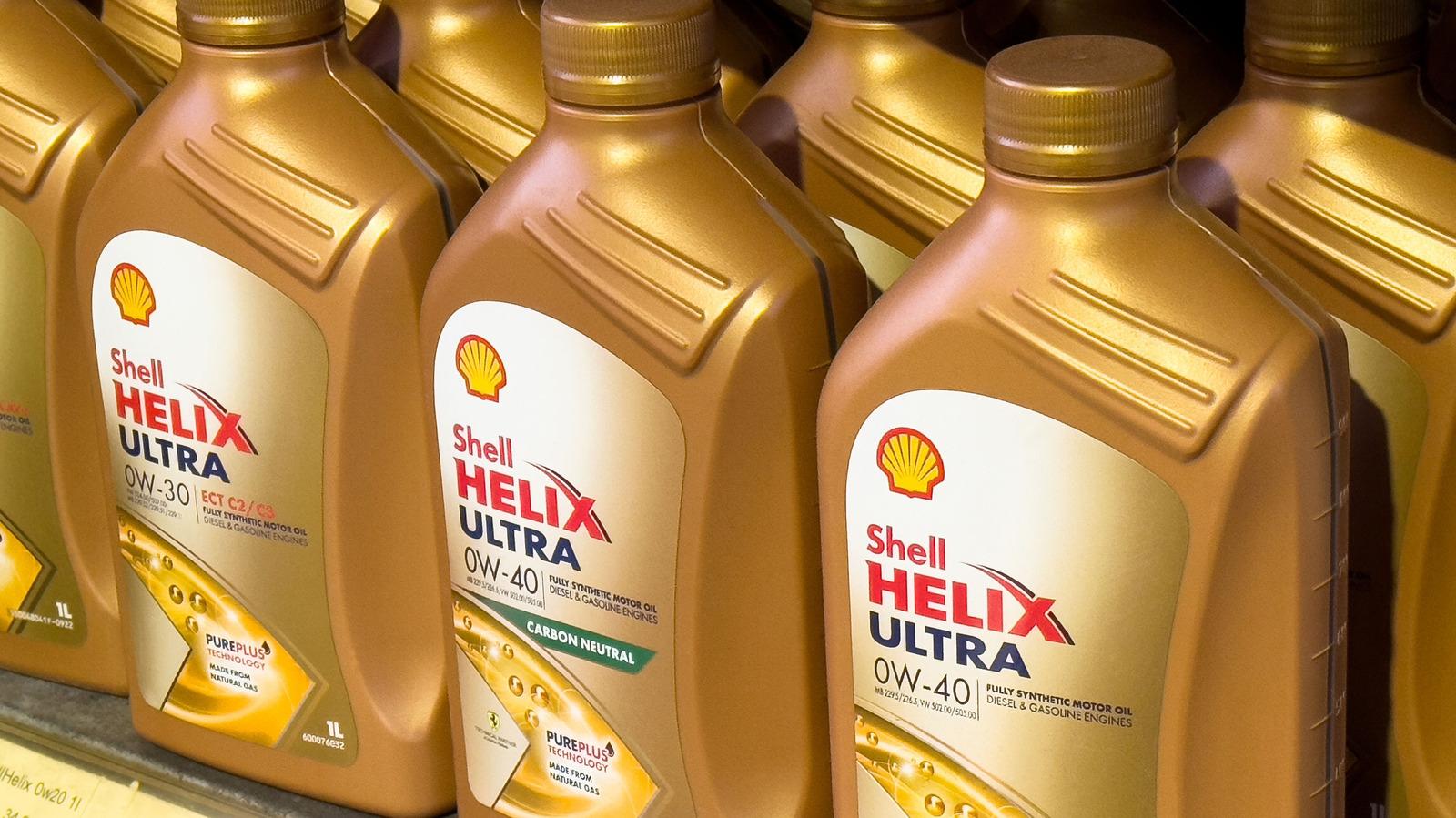
European Cars Can’t Use American Car Oil – Here’s Why
Advertisement
Image: European Cars Can’t Use American Car Oil – Here’s Why – Performance Comparison and Specifications
Design & Looks – Why Oil Standards Matter
European manufacturers design engines with tighter tolerances and higher compression ratios than many U.S. models. To protect those precision parts, they specify oils that meet ACEA (Association des Constructeurs Européens d’Automobiles) standards. American oils often follow API (American Petroleum Institute) specs, which focus on different wear‑protection formulas.
Advertisement
- ACEA A3/B4: high‑performance gasoline engines.
- ACEA C3: diesel engines with after‑treatment systems.
- API SN/SM: common U.S. grades for everyday driving.
If you pour an API‑only oil into a BMW or Audi, the oil may lack the additives needed for the engine’s variable‑valve timing or particulate filters.
Performance & Mileage – The Real‑World Impact
Using the correct oil keeps friction low, which translates to better fuel mileage and smoother acceleration. A mismatch can cause:
- Increased engine wear, especially in high‑rpm European engines.
- Higher oil consumption and more frequent changes.
- Reduced fuel efficiency—sometimes up to 2‑3% loss.
One owner of a 2018 Audi A4 shared that after switching to an ACEA‑approved synthetic, his highway MPG jumped from 28 to 31, and the engine noise dropped noticeably.
Advertisement
Price & Rivals – What It Costs to Get the Right Oil
ACEA‑approved oils are often a bit pricier than standard API blends, but the difference is usually a few cents per quart. The long‑term savings from lower wear and better mileage outweigh the small price bump.
Compare typical costs:
| Oil Type | Avg. Price per Quart | Meets |
|---|---|---|
| API SN/SM (U.S.) | $5.50 | API |
| ACEA A3/B4 (Euro) | $6.30 | ACEA |
| Full‑synthetic ACEA C3 | $7.20 | ACEA + API |
Choosing the right oil also protects your warranty. Many European brands state that using non‑approved oil voids coverage.
Advertisement
Quick Reference Table
| Engine | Mileage | Price | Top Features |
|---|---|---|---|
| BMW 330i 2.0L Turbo | 30 mpg city / 38 mpg hwy | $42,000 |
|
| Audi A4 2.0L TFSI | 28 mpg city / 36 mpg hwy | $39,000 |
|
| Mercedes‑C300 2.0L I4 | 29 mpg city / 38 mpg hwy | $41,500 |
|
FAQ
Can I use any synthetic oil in a European car?
Only if it meets the ACEA rating specified in your owner’s manual. Not all synthetics are created equal.
What happens if I use American API oil?
You risk increased wear, reduced fuel economy, and possibly voiding the warranty.
Is there a cheap alternative that still meets ACEA standards?
Look for reputable brands that label the exact ACEA grade (e.g., A3/B4). Prices vary but stay within a few dollars of premium API oils.
Advertisement
Got a story about switching oils on your European ride? Drop a comment below – we’d love to hear it.
Source: Read Official News
Advertisement