Bottom line: Modern EVs handle full charges much better than older models, but keeping the battery around 80% still offers a safety net for longevity and resale value.
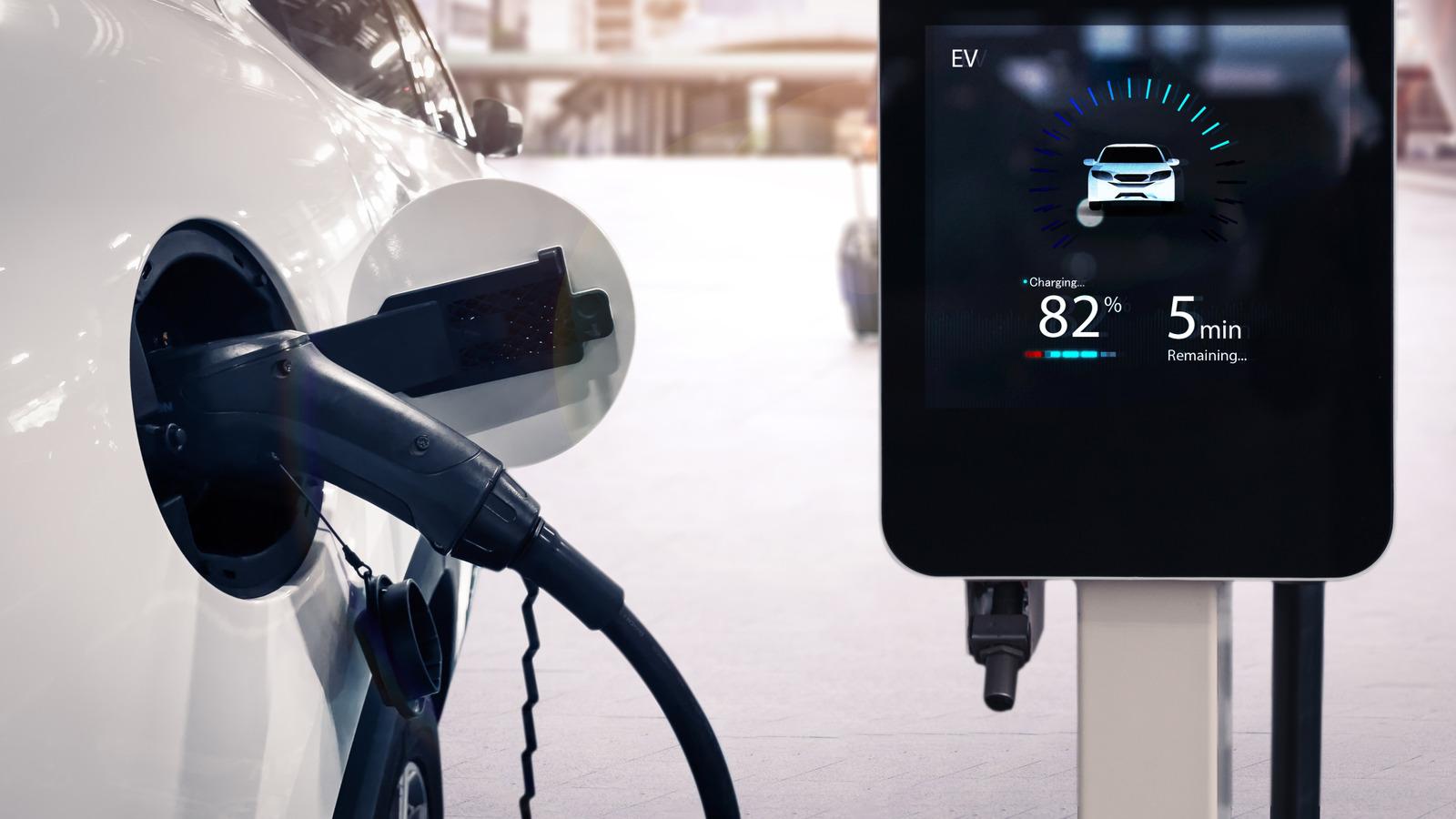
Does the 80% Rule Still Apply to EVs? What Every Owner Should Know
Advertisement
Image: Does the 80% Rule Still Apply to EVs? What Every Owner Should Know – Performance Comparison and Specifications
Design & Looks
Most new electric cars look sleek, but their real design work happens under the hood – the battery pack. Manufacturers now use lithium‑nickel‑manganese‑cobalt (NMC) or lithium‑iron‑phosphate (LFP) chemistries that tolerate higher state‑of‑charge (SoC) without stressing the cells. For example, the Tesla Model 3 and Hyundai Ioniq 5 both sport low‑profile battery packs that blend into the floor, giving a clean cabin look while protecting the cells from temperature spikes.
Advertisement
Performance & Mileage
Charging to 100% still gives you the maximum range on a single charge, but the extra 10‑20% can shave a few percent off the battery’s long‑term capacity. Recent studies show a 5‑10% loss after 150 full‑charge cycles when you always hit 100% on NMC packs. LFP packs, like those in the newer Chevy Bolt EUV, lose far less, so the 80% rule is less critical for them.
In everyday driving, most owners rarely need the full range. A typical commute of 30‑40 miles uses only 15‑20% of a 250‑mile battery, so topping off at 80% leaves plenty of buffer for unexpected trips.
Price & Rivals
Buying an EV that supports fast charging to 100% can be pricier, but you save time on long trips. If you stick to 80% for daily use, you can often delay buying a larger‑capacity model. Here’s a quick snapshot of three popular EVs and how the 80% rule affects them:
Advertisement
| Engine | Mileage (EPA) | Price (USD) | Top Features |
|---|---|---|---|
| Dual‑motor AWD (Tesla Model 3) | 353 mi | $48,990 |
|
| Single‑motor FWD (Hyundai Ioniq 5) | 303 mi | $44,550 |
|
| Single‑motor FWD (Chevrolet Bolt EUV) | 247 mi | $33,300 |
|
FAQ
- What is the 80% rule for EVs? It’s a guideline to charge the battery only up to 80% of its total capacity to reduce wear and extend lifespan.
- Does charging to 100% hurt a modern EV? Newer chemistries handle full charges better, but occasional 100% tops still marginally increase degradation over many cycles.
- Should I always charge to 80%? For daily use, 80% is a safe sweet spot. If you need the full range for a road trip, charge to 100% and resume the 80% habit afterward.
If you’ve tried the 80% rule or have a different charging routine, share your experience in the comments below!
Source: Read Official News
Advertisement