2027 Toyota Highlander vs Three‑Row EV Rivals: Design, Range & Price Compared
Bottom line: The 2027 Toyota Highlander EV offers a spacious cabin and a competitive 260‑mile range at a lower starting price than most three‑row electric SUVs, but it still trails the top‑end models in power and ultra‑fast charging.
2027 Toyota Highlander vs Three‑Row EV Rivals: Design, Range & Price Compared
Advertisement
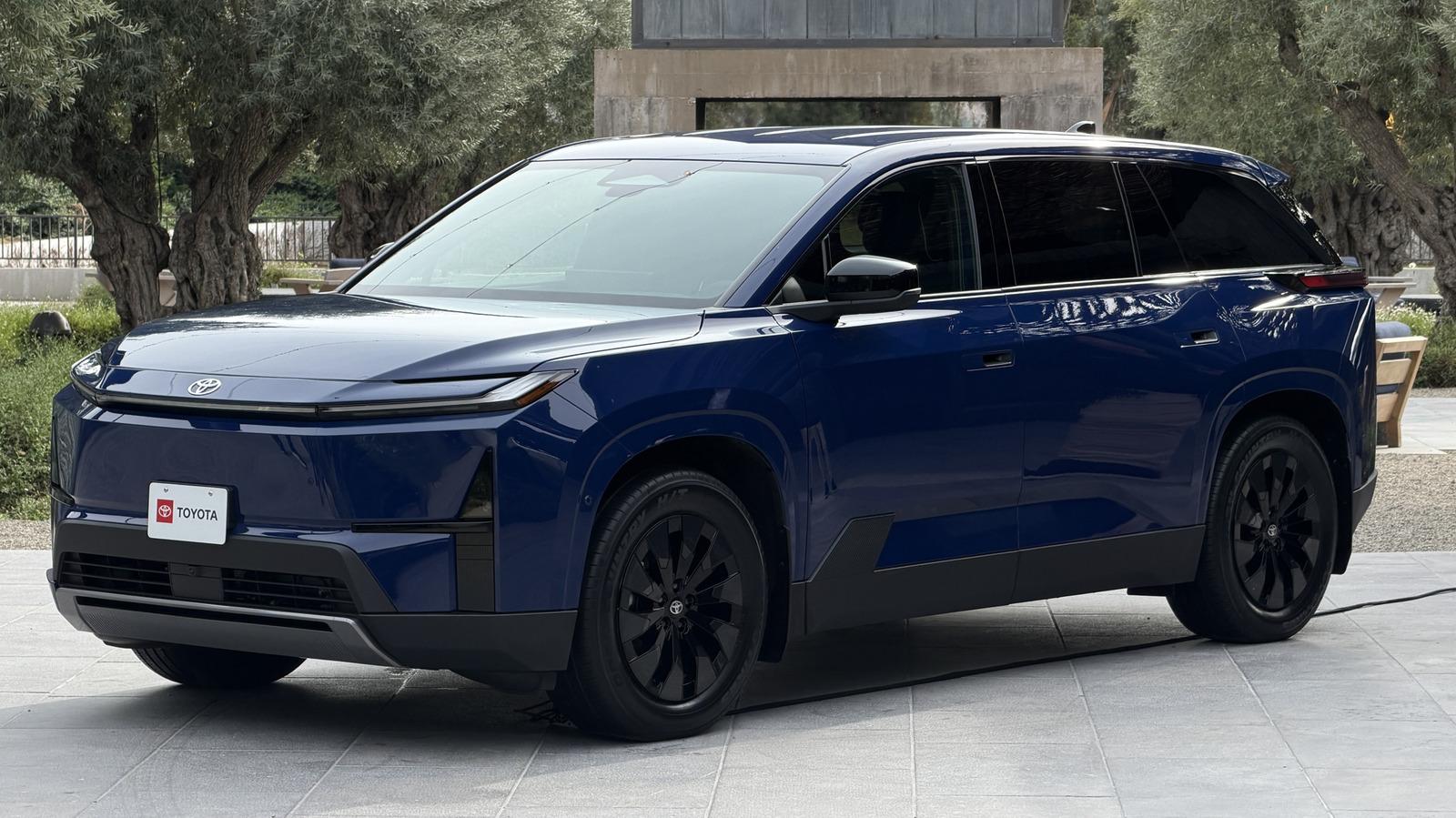
Image: 2027 Toyota Highlander vs Three‑Row EV Rivals: Design, Range & Price Compared – Performance Comparison and Specifications
Design & Looks
The Highlander keeps Toyota’s familiar silhouette—rounded roofline, bold front grille (now with a sleek black surround) and a panoramic glass roof that feels airy for three rows. Compared with the Rivian R1S and the Hyundai Ioniq 9, the Highlander looks less futuristic but more family‑friendly. Its interior uses soft‑touch plastics and a 15‑inch touchscreen that’s easy for kids to navigate.
Advertisement
- Three‑row seating for up to 7 passengers
- Standard roof rail system for bike racks or cargo boxes
- Optional “Adventure” trim adds black‑out trim and rugged floor mats
Performance & Mileage
The Highlander EV is powered by a single 210 kW motor on the front axle, sending 300 Nm of torque to the wheels. It hits 0‑60 mph in about 7.8 seconds—quick enough for highway merging but not a track star. The EPA‑estimated range is 260 miles, which sits in the middle of the three‑row EV pack.
In comparison, the Rivian R1S reaches 300 miles and 0‑60 in 5.5 seconds, while the Hyundai Ioniq 9 stretches to 300‑plus miles with a dual‑motor setup. The Highlander’s fast‑charging capability tops out at 150 kW, letting you add roughly 80 miles in 15 minutes.
- Single‑motor front‑wheel drive (optional AWD for $4,000 extra)
- 260‑mile EPA range
- 150 kW DC fast‑charge (80% in ~20 min)
Price & Rivals
Starting at $48,990, the Highlander EV is the most affordable three‑row electric SUV currently in the U.S. market. The Rivian R1S starts around $78,000, and the Hyundai Ioniq 9 begins near $55,000. This price gap makes the Highlander an attractive option for families wanting EV space without breaking the bank.
Advertisement
However, the lower price comes with trade‑offs: less horsepower, a slower charge rate, and a less premium interior finish. If you need maximum performance or the longest possible range, the higher‑priced rivals still win.
- Base price: $48,990 (incl. destination fee)
- Eligibility for federal EV tax credit (up to $7,500)
- Standard safety suite: Toyota Safety Sense 3.0
| Engine | Mileage (EPA) | Price (USD) | Top Features |
|---|---|---|---|
| 210 kW front‑motor | 260 mi | $48,990 | Panoramic roof, 15‑in touchscreen, Toyota Safety Sense 3.0 |
| 300 kW dual‑motor (Rivian R1S) | 300 mi | $78,000 | Adventure‑grade suspension, off‑road modes |
| 260 kW dual‑motor (Hyundai Ioniq 9) | 300+ mi | $55,000 | Ultra‑fast 350 kW charging, premium leather |
FAQ
- What is the EPA range of the 2027 Toyota Highlander EV? The Highlander EV is rated for about 260 miles on a full charge.
- Is the Highlander EV worth buying compared to other three‑row electric SUVs? It offers the best value for families on a budget, but if you need the longest range or fastest charging, the Rivian or Hyundai may be a better fit.
- Can I get a federal tax credit for the Highlander EV? Yes, the Highlander qualifies for up to $7,500 in U.S. federal tax incentives, subject to income limits and vehicle availability.
What do you think about the Highlander’s price versus its rivals? Let us know in the comments below.
Source: Read Official News
Advertisement